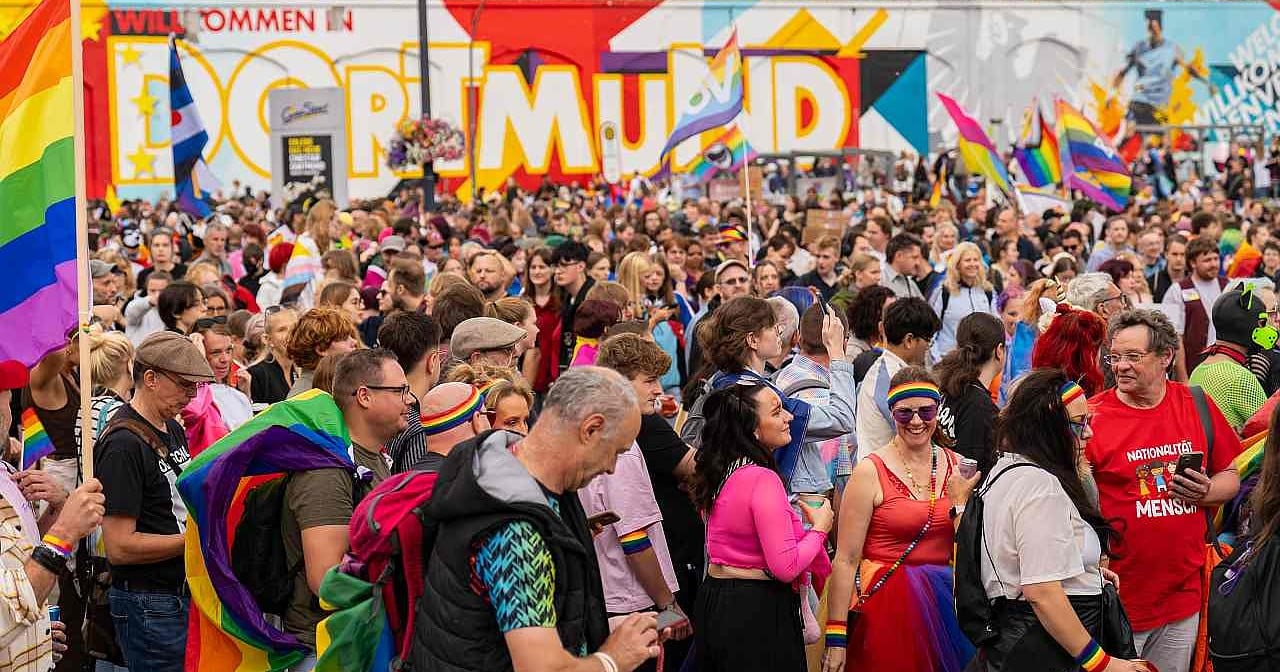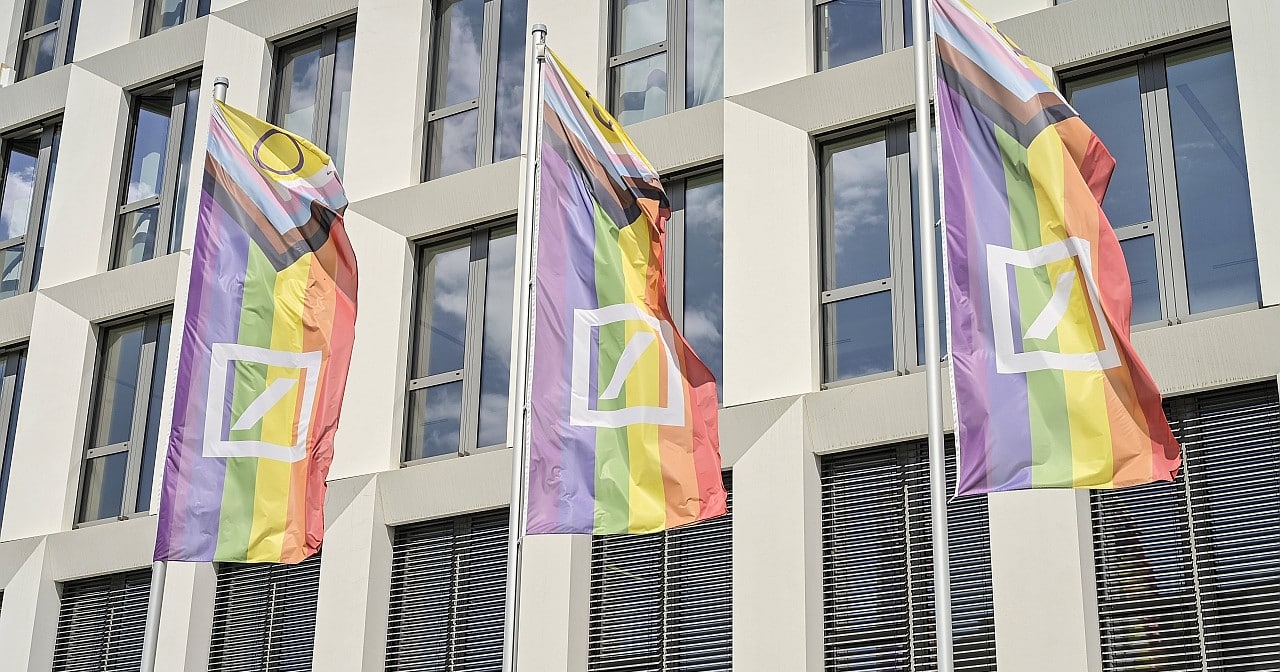
Many companies adorn themselves with rainbow logos during Pride Month — yet for numerous queer employees, the workplace remains an unsafe space. Discrimination, subtle microaggressions, and limited opportunities for advancement continue to be part of daily life across Europe.
At the same time, a new movement is emerging — not from the top down, but from within the community networks themselves. The European Pride Business Network (EPBN), a coalition of LGBTQI business associations from more than 20 countries, is increasingly becoming the central voice for LGBTQI inclusion in Europe’s workplaces. Among its 26 members are the professional association VK and the Wirtschaftsweiber network from Germany.
As a recognized partner of the European Union and the Council of Europe, EPBN works not only on policy standards but is also building Europe-wide structures for the first time through the EU project “WISE — Workplace Inclusion for a Sustainable Europe,” with the goal of measurably advancing equality.
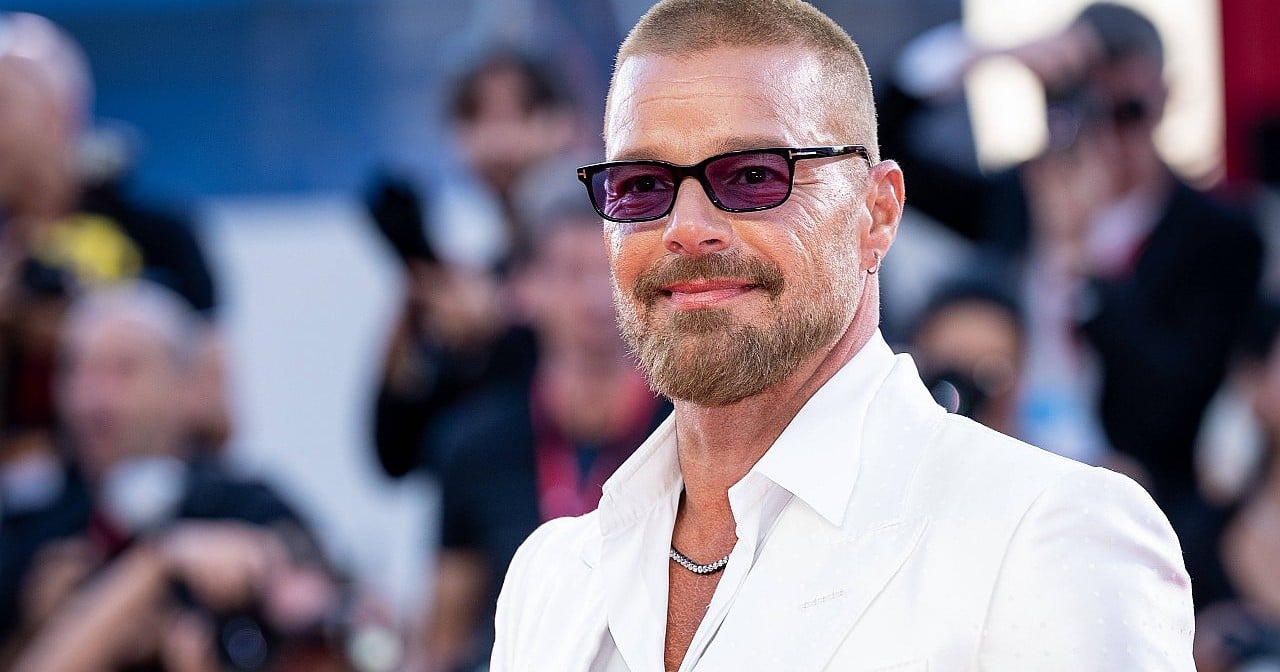
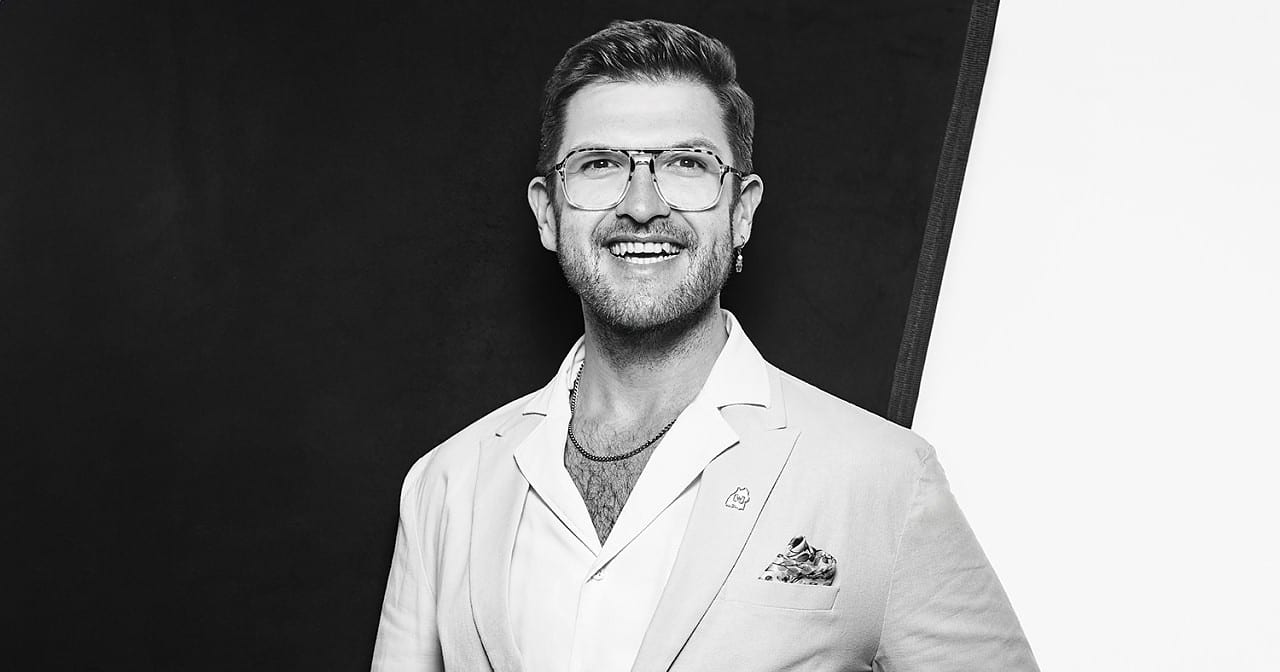
Diversity expert Pavlo Stroblja speaks with EPBN founder and president Matthias Weber and vice-president Lucia Urciuoli about structural barriers, new data on microaggressions — and why genuine inclusion of queer professionals is no longer a “nice to have,” but a matter of safety, fairness, and future viability.
Matthias, you founded the European Pride Business Network. What motivated you to do this?
Matthias Weber: When I founded EPBN, it was about more than visibility during Pride Month. I longed for a European structure that genuinely empowers queer workers — across borders, industries, and languages. There were many passionate initiatives, but no common voice that brings business, policy, and civil society together at the European level.
My motivation was also personal: I know the perspective of a leader, but also that of a queer person who has learned to assert themselves within heteronormative systems. EPBN should make that path easier for others — through exchange, empowerment, and concrete strategies to fight discrimination.
Lucia, what is the core of the WISE project — and what impact do you expect it to have on Europe’s job market?
Lucia Urciuoli: WISE brings together, for the first time, the best national approaches to promoting LGBTQIA+ rights in the workplace and channels them into a single European framework. The project consists of five components: a European role-model program, mentoring for young queer professionals, European awards for companies, a large-scale study of microaggressions, and a toolkit that helps companies implement concrete standards and training.
Our aim is to distill successful practices from five EU countries so they can be used across Europe. This creates a shared knowledge base from which not only project partners benefit: each participating organization contributes its expertise, learns from others, and then makes new tools available to the other 25 EPBN members.
Why are robust data on microaggressions crucial?
Lucia Urciuoli: Because microaggressions often stay invisible — yet they have real effects. They’re rarely intentional, but they render queer employees invisible, undermine well-being, and hurt performance. Many companies underestimate these dynamics precisely because of their subtlety.
The early results of the WISE study show that linguistic microaggressions persist even in organizations with protective policies — and they’re especially pronounced within the trans community. There’s also a clear correlation: in countries with stronger legal protections, employees report fewer microaggressions.
In short: data make discrimination visible — and enable companies to target precisely where change is truly needed.
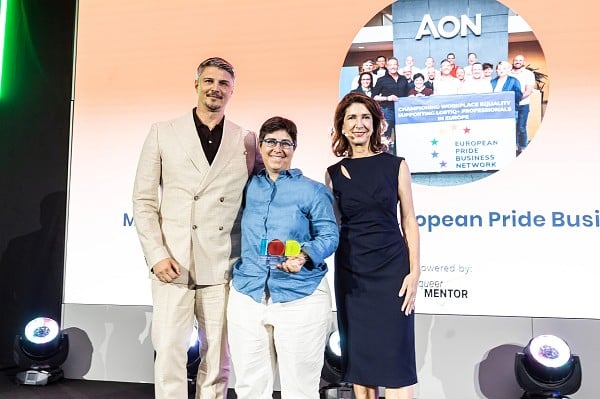
Matthias, last year you were honored with the Impact of Diversity Award, which Lucia accepted on your behalf. What does this award mean to you?
Matthias Weber: For me, the award was deeply moving because it shows that individual visibility and systemic change work hand in hand. I don’t view it as a personal accolade, but as recognition for the entire EPBN team and our member organizations.
We started as a purely volunteer network and, in a short time, have helped shape European projects. The award is thus both: a validation of what we’ve built — and a commitment to continue speaking out, collaborating constructively, and staying well connected to push for queer equality in the workplace.
Was there a moment within EPBN collaboration that touched you personally or changed you?
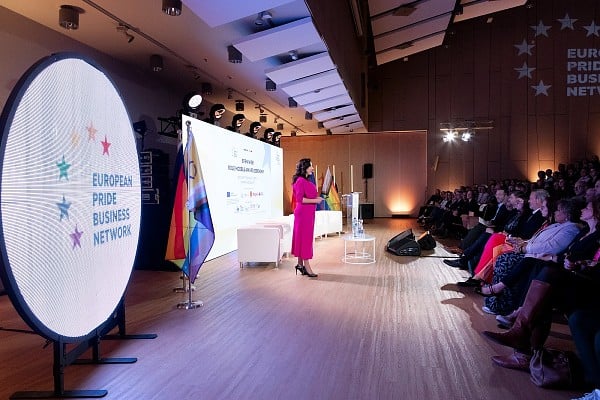
Matthias Weber: Yes, several. The most moving was the first WISE awards ceremony in Warsaw — in a country where queer people face political pressure all too often. Seeing young queer professionals celebrate alongside visible role models there made Europe feel tangible. It made me realize our work isn’t just strategy; it changes lives — and proves that queer careers in Europe can no longer be the exception, but part of everyday normalcy.
Lucia Urciuoli: For me, the Warsaw ceremony was also a pivotal moment. Months of work transformed into something concrete — initiatives with real potential to alter people’s life realities.
If you could send a message to the next generation of queer employees — what would it be?
Lucia Urciuoli: Look to the history of the LGBTQIA movement and let those who fought for our rights and visibility long before you inspire you. They built new paths and alliances — often under far tougher conditions. Build on that with your ideas, your dreams, and your talent. We’re all part of a shared journey.
Matthias Weber: Be brave enough to be visible — but don’t let yourselves be instrumentalized. Visibility isn’t a vanity project; it’s a tool for change. Seek out networks, mentors, and allies who empower you. And think European: our issues don’t stop at national borders. Each person who stands openly and competently today opens doors for many who will come after.