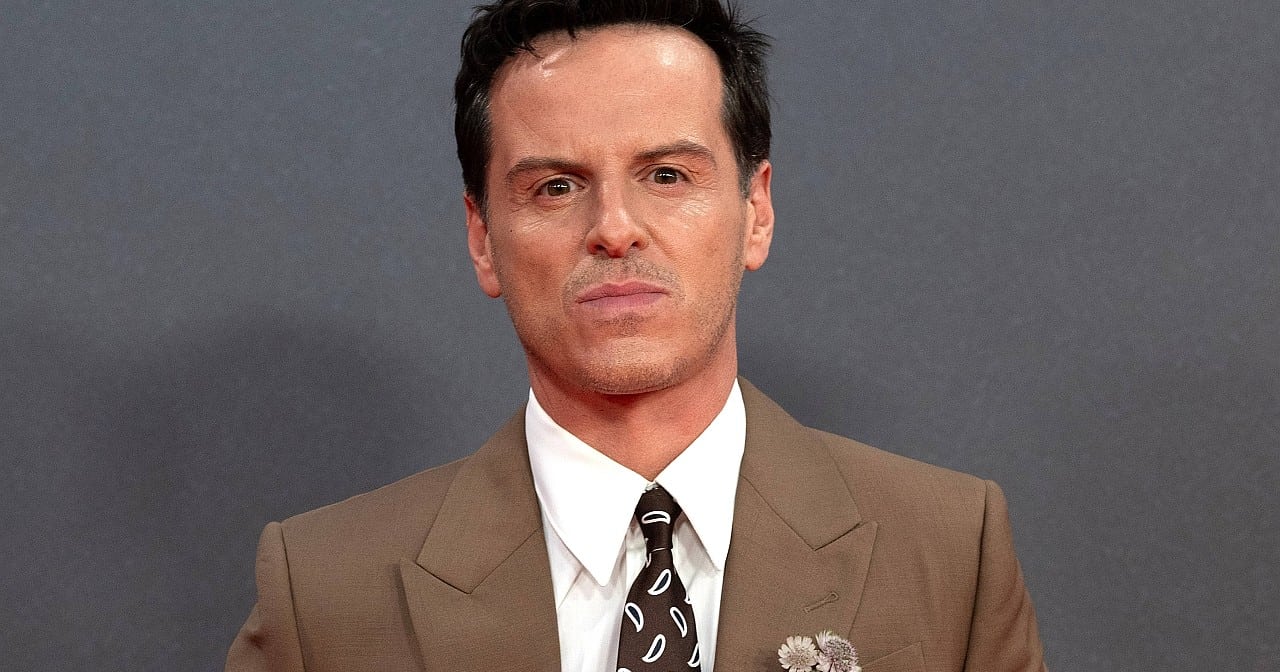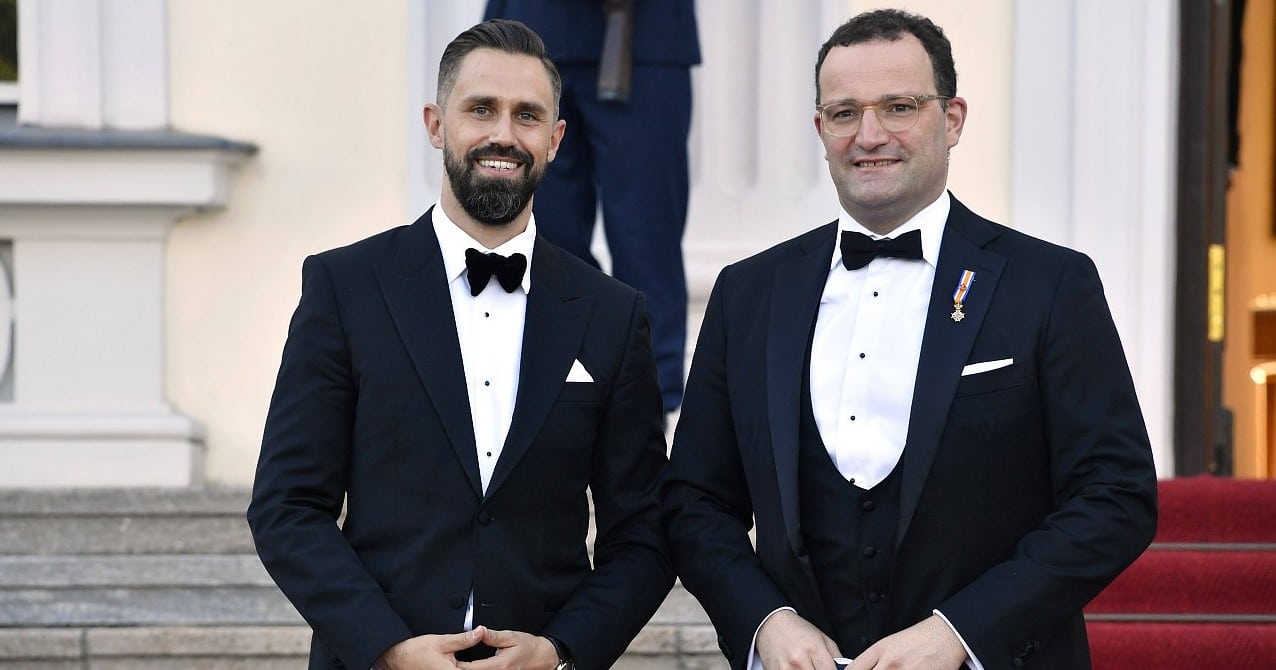
Politically things had been looking up for Jens Spahn, but a private decision now abruptly brings him down. “One thing has become clearer in the last days: My family is the most important thing to me” — with these words Spahn bids farewell as the Union’s parliamentary group leader after just 14 months in office (TheColu.mn reported).
The pressure on the 46-year-old CDU politician from within his own party had grown massively in recent days. He was accused of private conduct different from what he had politically decided — and on a topic that is emotionally charged for the Union: Spahn and his husband Daniel Funke decided to become parents, using the help of a surrogate mother in the United States to do so. This allowed him to bypass a prohibition that exists in Germany.
Fall from the highest point of his career
Spahn’s fall comes at the pinnacle of his political career, with some observers suggesting it might have carried him to the chancellorship. After initial turbulence, he had solidified his position at the top of the CDU/CSU parliamentary group and, alongside Chancellor Friedrich Merz, established himself as the most powerful figure in the CDU. With a 91.3 percent vote result in May 2025, the start looked promising. But only two months into his tenure as group leader, the election of legal scholar Frauke Brosius-Gersdorf to the Federal Constitutional Court unraveled. Spahn was blamed for failing to detect the internal resistance in his own faction in time.
Yet Spahn did not let himself be knocked off course. “It takes quite a bit to knock me down,” says the CDU politician from the Westphalian Münsterland. He has demonstrated this resilience at other political low points, such as the controversy over the purchase of COVID-19 masks that haunted him into this legislative term.
Perseverance in times of crisis
His perseverance in moments of crisis has ultimately prepared him for further roles. Spahn is 46, but he has sat in the Bundestag for more than half his life. In 2002, the Westphalian from Münsterland was elected at age 21 as the CDU/CSU’s youngest member of parliament, and he has been in the chamber for nearly a quarter of a century now.
From 2017 to 2021 he served as Health Minister under then-Chancellor Angela Merkel, and after the Union’s victory in February 2025 he was also discussed as a potential Economics Minister. Merz, however, made him the even more powerful parliamentary group leader. And even then he had already clashed with him on one issue or another.
The harder path for Merz
Even then, Thorsten Frei, a loyal Merz confidant and now head of the Chancellor’s Office, was in contention for the caucus leadership. Merz chose the harder option — because he wanted Frei by his side in the government center.
After the dispute over the Federal Constitutional Court, Spahn stabilized at the head of the faction, fending off the revolt of the younger rebels within the caucus against the pension reform in autumn. Recently Spahn, together with the openly gay SPD parliamentary leader Matthias Miersch, played a significant role in shaping a reform package and thereby strengthened the faction as a power center beside the Chancellery.
Underestimating the force of the outcry
On surrogacy, however, his political instincts evidently failed him. He supported the ban in Germany at the party congress in February, was re-elected as caucus leader without discussion, and even told the chancellor only last week about it. The force of the public outrage triggered by the disclosure of the surrogacy completely surprised him. As late as Friday afternoon, Spahn assumed he could ride out the issue until the next regular caucus meeting. That was how he appeared on Paul Ronzheimer’s “Bild” podcast. But the pressure had already become too great. Merz urged him to resign immediately, and less than 24 hours later he did. The chancellor called the move “right and inevitable.”
What comes next for Spahn?
Whether Spahn’s political career ends here is still undecided. A comeback to a senior position seems unlikely given the hit to his credibility. Whether he keeps his Bundestag seat is also unclear. If he does, he would slide to the backbenches, where former faction leader Ralph Brinkhaus sits (2018–2022). If he does not want that, the trained banker could move into the corporate world, where he is well connected. And above all, he has his family, which he has prioritized over his career all along.