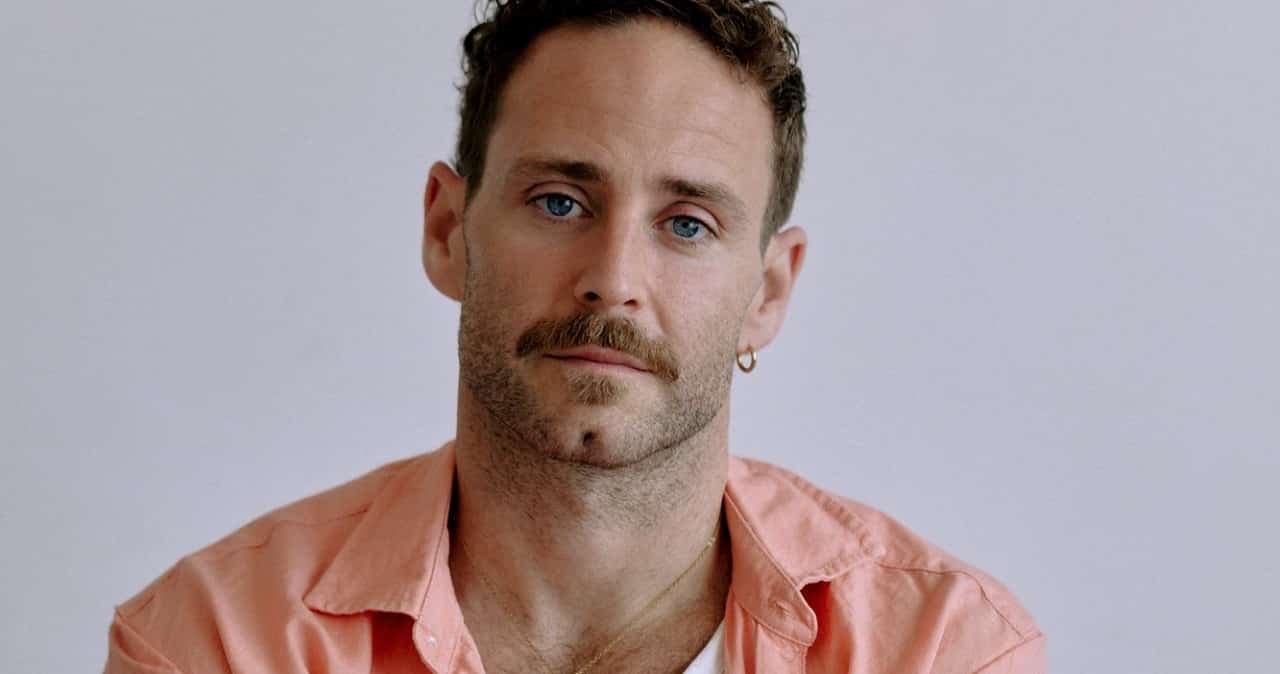
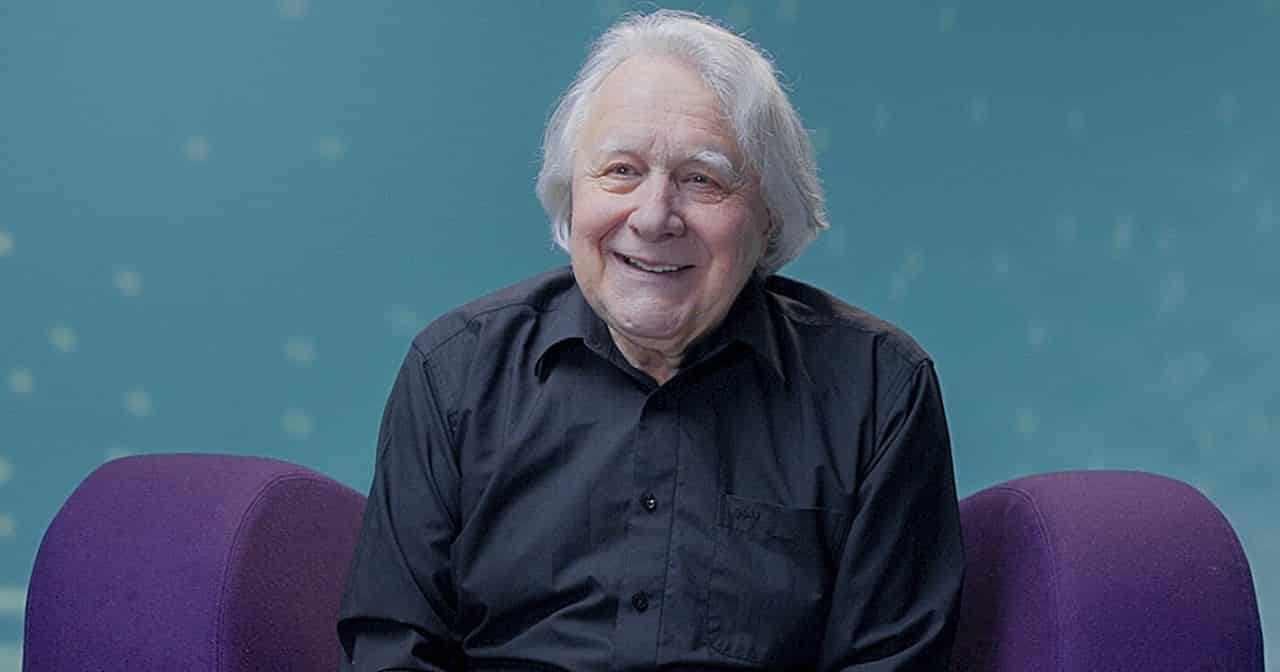
The German-American molecular biologist Peter Duesberg died on January 13 in Lafayette, California, at the age of 89. He had recently suffered kidney failure and, in the final years of his life, battled the aftermath of a stroke-induced aphasia, a brain injury.
The professor of molecular and cellular biology is best known for his denial of the acquired immune deficiency syndrome—AIDS. Many experts believe Duesberg’s theses indirectly contributed to more AIDS deaths and prolonged suffering from the immunodeficiency disease, particularly within the gay community.
Duesberg was born in 1936 in Münster and was regarded in the 1960s and 1970s as a brilliant scientist. As a professor at the prestigious University of California, Berkeley, he earned international recognition for his work on retroviruses and the genetic influences on cancer. He was among the first to identify a cancer-causing gene within a virus, and his research helped illuminate the role of retroviruses in oncology.
Duesberg Viewed AIDS as a Lifestyle Problem
Yet he undermined his scientific legacy: toward the end of the 1980s, Duesberg challenged the then-established link between the human immunodeficiency virus (HIV) and AIDS. For decades, he maintained that HIV was a “harmless passenger,” and he attributed the causes of AIDS to drug use, “excessive sexual behavior,” and other factors — such as the use of poppers. Many anti-queer forces welcomed his claim that AIDS was not an infectious disease, but a “lifestyle problem” particularly among gay men. He became something of an icon for the religious right in the United States, who used his theses to oppose sex education or equal treatment of queer people — whom they described as people with a “sick” lifestyle.
The uptake of antiretroviral AIDS medications, in his view, was dangerous—and he mounted a full-fledged media campaign against them. According to credible researchers, these medications have saved millions of HIV-positive lives over recent decades.
Duesberg’s stance led to fierce confrontations. His hypotheses grew increasingly isolating. Colleagues accused him of acting out of vanity. “He loved the spotlight, and reporters flocked to him because of his outrageous stance,” Berkeley professor Randy Schekman told the New York Times (paywalled).
The spread of his theories had a direct impact on policy. In South Africa, around the turn of the millennium, then-President Thabo Mbeki embraced his arguments and delayed HIV therapies. Experts estimate that the result was hundreds of thousands of preventable AIDS deaths.
Duesberg’s Tactics Are Being Copied by the AfD
Duesberg’s positions over the years also influenced other opponents of established medical science and were later taken up by groups that reject vaccinations or other evidence-based health measures. He essentially provided the blueprint for charlatans in the public health debate. He asserted, for example, that researchers defended HIV as the cause of AIDS to secure funding, protect their careers, and preserve institutional power. During the COVID-19 crisis, anti-vaccine activists or the AfD, as their political arm, adopted such conspiracy theories.
The University of California, Berkeley, honored Duesberg in a statement as a “public, controversial figure” who, in later years, enjoyed being the “maverick” at the center of controversies. At the same time, the university emphasized that the scientific consensus remains unequivocal: HIV is the primary cause of AIDS and antiretroviral therapies are effective. (dk)