The narrator speaks of Istanbul as a city where rot festers. Of Turkey as a country that refuses to acknowledge its own oppression. Of a queer “we” that fights back against deadly homophobia and transphobia.
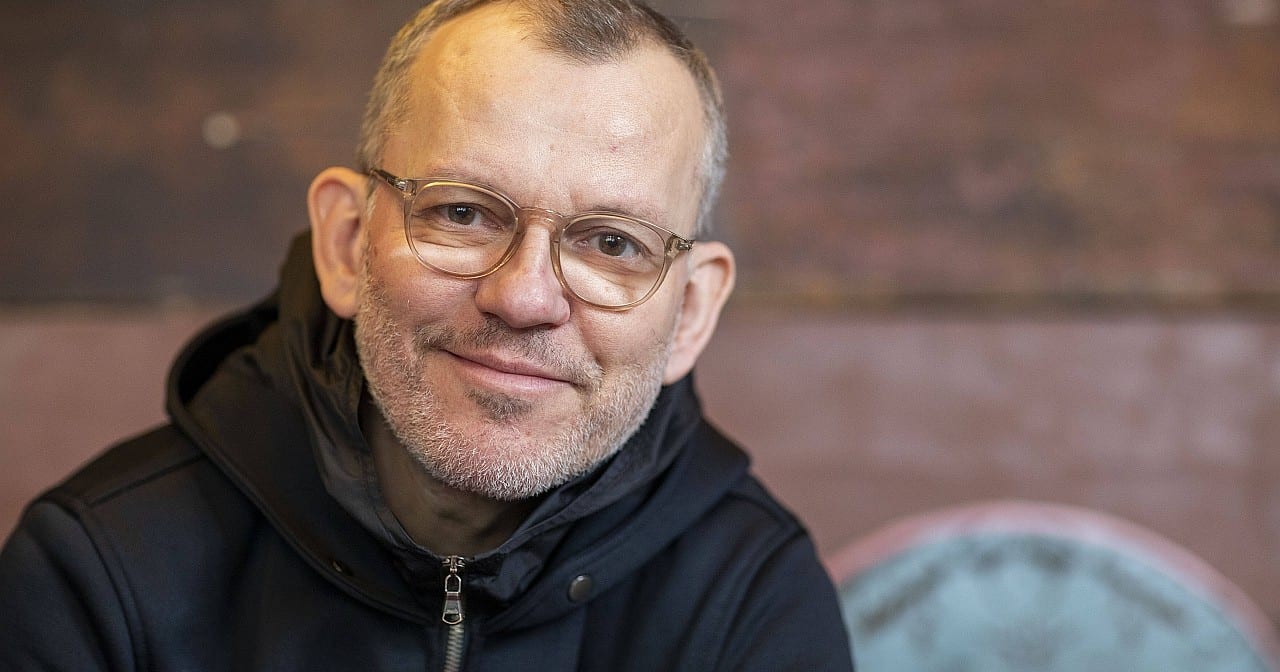
The slim, 100-page novel The Darkest Night of a Long Winter is not merely urgent because of recent brutal raids against Turkish LGBTQI organizations; its predestined tension has been palpable long before. The first‑person narrator, Güneş, in his fifties and, like the author Barbaros Altuğ, living in Berlin in exile for several years, is driven by a search for a dead namesake: a gay man, twenty years younger, who served in the Turkish army and was murdered.
Torn Between Istanbul and Berlin
With stubborn conflict, he returns to Istanbul. He hates the city, speaking with burning contempt about the place that hurt him—and yet he catches himself slipping into a hesitant sense of belonging. Torn between the German and Turkish metropolises, he comes to acknowledge Berlin as his home despite its frictions with the German populace. A separation in his own life is touched on but not deeply explored; here the novel could have afforded the protagonist more room to reflect on what shaped him and what he carries from his past.
The book’s literary scaffolding includes Thomas Mann’s Death in Venice, which adds another layer of insight into the central figure. Repeatedly, not only through quotes but through visual echoes of Aschenbach and Tadzio, Güneş measures himself against the German master. “Like Aschenbach, I too stood in a country that was not mine and loaded the warmth of a foreign body with meaning. We were separated by years, by origin, by language, by memory—and yet I looked.”
He regards the handsome Amir and longs to fix that beauty in language before it slips away. The two share experiences of migration and flight, yet their histories diverge in crucial ways. The allusion to a German literary classic underscores the fracture between the two nations: the foreignness, the longing, the desire, and the question of where one truly belongs.
A We That Cannot Be Erased
In the interwoven chapter headings “A Bad News” and “About What Is Not Spoken,” the novel names the brutal silence that greets this homophobic violence. The body is found, yet the murder itself is not reported. “But we knew better,” the text notes. The ambiguous “We” becomes a space of speech for queer, endangered, and persecuted lives that stand in solidarity despite danger. It is a We that cannot be erased, that resists official silence, and that preserves knowledge where the public prefers to avert its gaze.
The narrator turns this into a fierce personal vow: “For Güneş and for all who, like him, have been silenced and forgotten, I must keep chasing the truth.” Yet the bitter reality remains: he does not find that truth. He confronts the police, the murdered man’s friend, and the aunt. He accuses the latter of having had to love not only her nephew’s laughter but also his fears—a searing moment that extends beyond the case at hand. What does it mean to love someone truly when the aspects of their life that render them vulnerable must stay unseen? Still, Güneş cannot unmask the killer or secure any consequences. The pursuit of truth ends in emptiness—a brutal blow to the gut, not only for the protagonist but for readers as well. The stubborn insistence on questioning does not always yield justice.
Storytelling Can Be Living Resistance
In the end, the Istanbul earthquake of 2025 becomes a literary catharsis: the city collapses into darkness, and with it the order that had long denied its own rot seems to unravel. From the mistakes of the past, something new might emerge. In a moment of dialogue with Amir, the narrator articulates a powerful message—a seed for a new beginning: storytelling can be living resistance. To tell a story is to resist forgetting, to refuse to be silenced.
That is precisely what he can offer the murdered Güneş: “I will tell your story, Güneş. I will not permit them to forget you, either. When the history of this city is rewritten, your name will appear in it. I promise you. And with the rot there will be an end.” A short but powerful passage rendered in a tight translation by Johannes Neuner, one I will not forget easily.
Barbaros Altuğ: The Darkest Night of a Long Winter. Novel. Translated from Turkish by Johannes Neuner. 104 pages. Orlanda Verlag. Leipzig 2026. Paperback: 19 € (approx. $20). E-Book: 14.99 € (approx. $16–$17).
ISBN 978-3-949545-97-9