In the queer community, body image is a double-edged sword. On the one hand we celebrate Body Positivity, the “Bear Community,” and liberation from heteronormative constraints. On the other hand there is often immense pressure, especially among gay men but also in other parts of the scene, to meet a certain Adonis ideal.
Yet beyond aesthetics, there is a health reality we talk about less often: the so-called “Minority Stress” — the chronic stress that arises from experiences of discrimination, coming-out processes, and social exclusion — can directly affect physical health. “Stress eating,” hormonal imbalances, and a disrupted relationship with one’s body are often the consequences.
When the wish arises to reduce weight for health reasons, many queer people face a hurdle that is invisible to the mainstream: going to the doctor.
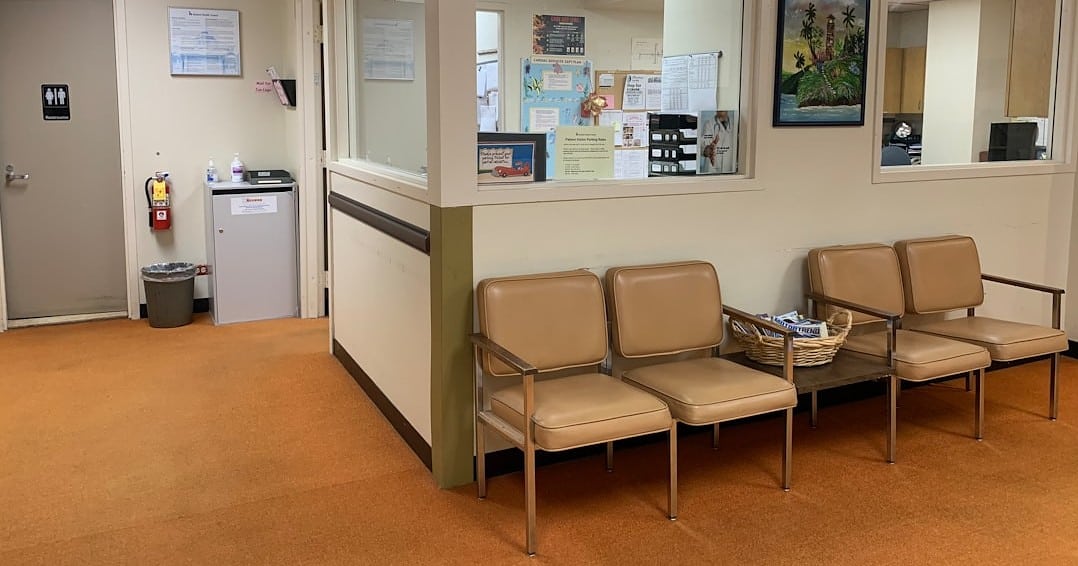
The Waiting Room as a Space of Fear
Studies on health care for LGBTQI+ individuals repeatedly show that many avoid doctor visits due to fear of discrimination or uncomfortable questions. Do I have to come out to my family doctor if he asks about my life circumstances? Will I be stared at or even pathologized? Especially with obesity, which is already stigmatized, the fear of the “double stigma” (queer + overweight) weighs heavily.
The result: essential medical help is not sought. Obesity is, however, a complex, often chronic condition that is rarely solved simply by “eat half.” It involves metabolic processes, hormones, and often mental health as well. Here, professional medical guidance would be essential — if access were barrier-free and safe.
Telemedicine as a “Safe Space”
Into this care gap telemedicine has entered for some time. What began during the pandemic as a stopgap is increasingly establishing itself as a “Safe Space” for marginalized groups. Digital health platforms offer a decisive advantage: they are discreet, objective, and focus purely on medical facts.
The process of asynchronous care — that is, filling out a digital intake form from home — removes the social pressure from the situation.
1. No justification needed: It’s about BMI, pre-existing conditions, and medications. Not about lifestyle or sexual orientation.
2. No “Fat Shaming”: Communication is data-based. An algorithm doesn’t judge, and the evaluating physicians decide according to guidelines, not sympathy.
3. Access to evidence: Instead of dubious diet pills found online, patients gain access to evidence-based medicine (such as modern GLP-1 therapies) that is often hard to reach otherwise.
Medical Help Without Subscription Traps
Another aspect that is particularly important in the critical community is transparency. The digital health market is full of providers pushing patients into expensive subscriptions. It pays to look closely. Reputable platforms clearly separate medical care from medication purchases.
A positive example of this fair approach is MizeBody. The platform provides access to modern obesity therapy while deliberately avoiding draconian contracts or monthly subscription fees. Patients pay only for the actual medical service (intake & prescription). The medication itself is obtained — in the classic way — from a pharmacy of choice (online or in person). This model returns control to users: I decide how long I want to pursue the therapy, and I have cost transparency. That is empowerment in health care.
Self-Care Is Political
It’s important to emphasize: Nobody has to lose weight to be valuable. Body Positivity remains a foundational pillar of our community. But body positivity also means: I have the right to modify my body in a way that makes me feel healthy and well.
When joint pain, high blood pressure, or the risk of diabetes limits quality of life, the desire to reduce weight is an act of self-care. The fact that there are now ways to access this medical help without facing potentially discriminatory situations in the traditional health care system is progress.
The digitization of medicine can help shrink the “Queer Health Gap.” By lowering barriers and creating access that does not depend on who you are or whom you love, but solely on what you medically need.