The latest incidents surrounding Christopher Street Day (CSD) events raise serious questions about safety and visibility for queer celebrations. For instance, the CSD march in Regensburg had to be canceled at short notice because security conditions made the event impossible to carry out (TheColu.mn reported). In other cities, there were threats and attacks against participants.
Against this backdrop, the question arises as to how tourism-heavy regions can once again become safe and visible spaces for queer festivals. What responsibility do tourism organizations bear—and how can they contribute to protecting and grounding these events in society?
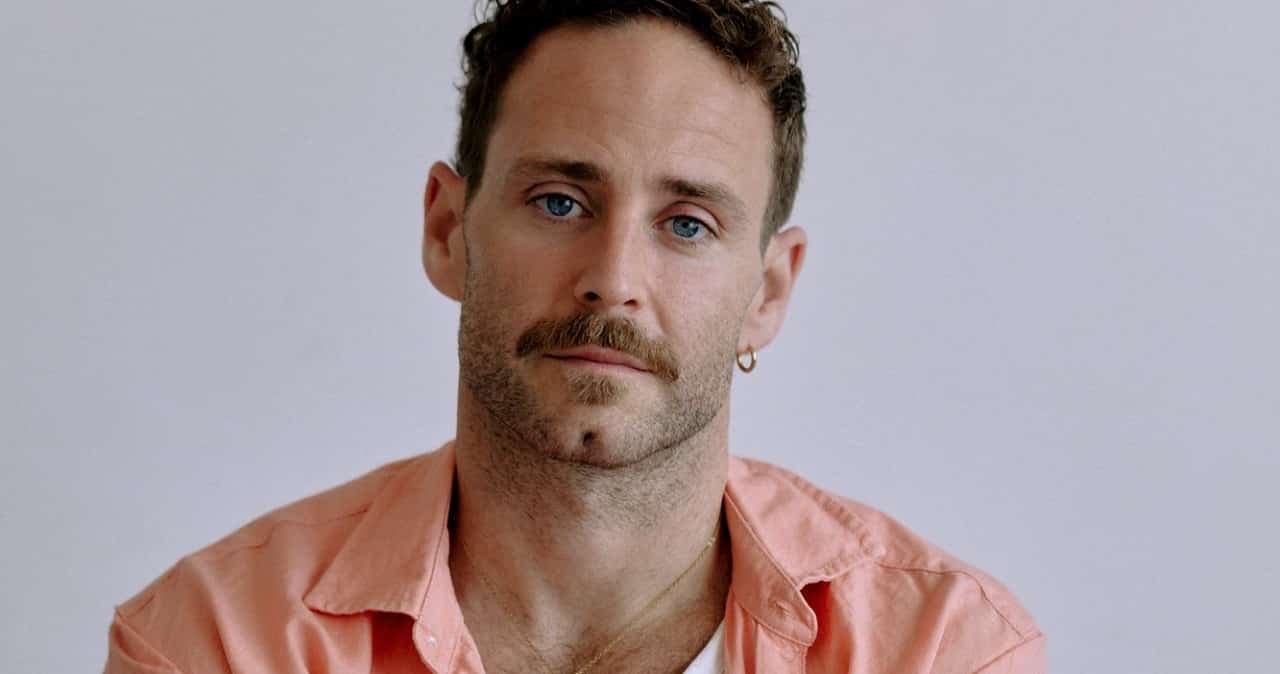
We discussed this with Norbert Kunz, the managing director of the German Tourism Association (Deutscher Tourismusverband, DTV).

Where do you currently see the biggest challenges for safe CSD events — especially in tourist-oriented regions?
Hostility and assaults directed at CSD parades and their participants remain a major problem. Recently, such incidents even occurred at the CSD in Berlin. The large crowds there provide a degree of protection, unlike smaller towns where perhaps only around 100 people attend. In May, the CSD in Gelsenkirchen was canceled due to a threat situation, and in Schönebeck it had to be ended early. When people do not feel safe, that can become a problem for tourism.
How do you perceive the stance of tourism organizations toward queer festivals in public space, particularly with regard to visibility and social responsibility?
Many CSD parades attract participants from other regions, and the big-city celebrations draw many visitors from abroad. The CSD thus holds great importance for tourism; it is a flagship for a cosmopolitan Germany. Among our members are state tourism organizations, many of which are deeply engaged in queer issues. Hamburg Tourism GmbH recently became a patron of the WelcomingOut initiative, and visitBerlin is a partner of the Lesbian and Gay City Festival. It must be our goal that this support becomes normal at the local level as well.
What opportunities does a nationwide association like the DTV have to draw attention to the importance of CSDs as part of democratic culture?
We can generate public visibility and attention. It’s not just about protecting the CSD and its participants, but about celebrating diversity and tolerance in our society. The CSD is not a niche interest, as some people currently portray it. We are calling on the federal government to ensure the safety of democratic festivals and not to leave organizers financially stranded.
You emphasize that diversity is part of the essence of tourism. What concrete initiatives do you plan to make this visible in Pride events going forward?
Two years ago, the DTV signed the Diversity Charter. We stand behind that, but we also need to engage more directly and send clear signals. With regard to Pride events, we are currently engaging in dialogue with the CSD national association. I hope this will lead to fruitful collaboration.
In what way does the DTV see itself as a mediator or bridge-builder between tourism institutions and other relevant actors such as NGOs, organizers, or municipal authorities?
The DTV is the umbrella association for municipal, regional, and state-level tourism organizations. We support our members with a range of concerns, we already cooperate with the national Association for Mobile Counseling, and we can connect people to assistance offerings. Additionally, we provide Diversity training for staff at tourism businesses and organizations.
How can tourism organizations in the future be motivated to not only tolerate CSDs, but actively support them — for example through communication or cooperation?
Beyond the democratic aspect, it is in the economic self-interest of regions to be attractive to visitors. Welcoming people is the foundation of tourism. If a local CSD association seeks more support from the tourism sector, my advice is: Reach out to your local tourism organization and talk to one another!
What structural changes would help organizers of CSDs feel safer and more valued — beyond security concerns?
Safety remains the top priority. In some CSD marches, far-right extremists were allowed to march behind the CSD demonstration as counter-protesters. Such governmental authorization must be critically scrutinized. All democratic forces need to engage. In some places, that will require a long breath and persistence.
What avenues do you see within your public relations work to raise awareness of existing threats to queer-democratic festivals and thereby increase visibility?
A broad alliance is needed between the queer community and tourism actors—and beyond that: civil society, businesses, associations, and politics. We, as a federation, engage at the policy level; this is not only about CSD parades. Recently, a festival for diversity in Bad Freienwalde was attacked by right-wing groups. Such festivals are part of our democratic society and culture.
Germany is regarded by many queer travelers as a safe haven. What would you do to strengthen this trust going forward and establish tourist spots as safe spaces?
Given the situations in other countries where queer people are threatened or even persecuted by state actors and imprisoned, we must recognize how valuable our freedom is. We must defend it. The DTV wants to help raise awareness and draw attention to this in travel regions, so that safe, welcoming spaces become the norm across Germany.