Madam President! Esteemed ladies and gentlemen! World Pride, the international Pride movement, fits Berlin as neatly as a city festival fits the Motzstraße, as a leather outfit belongs at Folsom, Chantals on Thursdays, the Südblock at Kottbusser Tor, and Charlotte at Mahlsdorf.
Because Berlin was openly queer long before this word existed, and Berlin was openly gay and lesbian, gay and trans before these terms came into common use. That the “City of Freedom” is not just a hackneyed marketing slogan but something real to that extent is something Berlin’s queer community has contributed to for at least 150 years.
Here Magnus Hirschfeld founded in 1897 the first movement toward equal standing for what was then called the third gender, in 1919 established the Institute for the Science of Sexuality, and understood sexual and gender identity as a spectrum with intermediate forms. Here in the Weimar era a uniquely vibrant queer culture flourished, with perhaps hundreds of lesbian and gay venues, from neighborhood bars to the famous Eldorado. The 1920s, which gave the city Berlin its “world perspective,” to paraphrase Jens Bisky, were defined by queers seeking and living their freedom.
The National Socialists destroyed that queer and liberal public life, imprisoned tens of thousands—mostly gay men, but also lesbians—in prisons and concentration camps, and many did not survive.
Continuing the thread after 1945 to reattach to that shattered diversity was hard. Repression persisted. In what would become West Germany, the intensified Nazi-era version of Paragraph 175 remained in force until 1969. That year, 1969, also marks Stonewall in New York as a turning point in queer emancipation, first in the United States and soon in Europe and in Germany. In 1971 Rosa von Praunheim released his groundbreaking film Not the Homosexual Is Perverse, But the Situation in Which He Lives. Two years later, a group of friends in an East Berlin apartment saw the film and were so inspired that they founded the Homosexuelle Interessengemeinschaft Berlin (HIG Berlin), the first queer initiative in East Berlin. Initially housed in basements at Charlotte von Mahlsdorf’s place, and since the eighties—thanks to the community—continuing today as the Sonntags-Club. In the West of the city Praunheim’s film also acted as a catalyst. In 1971 the Homosexuelle Aktion Westberlin was founded, from which the Lesbische Aktionszentrum Westberlin emerged. In 1974 came the AHA, the Allgemeine Homosexuelle Arbeitsgemeinschaft. That organization exists to this day, though it remains endangered. And out of the HAW grew SchwuZ, which, as you all know, had to close last year and is currently fighting for a restart.
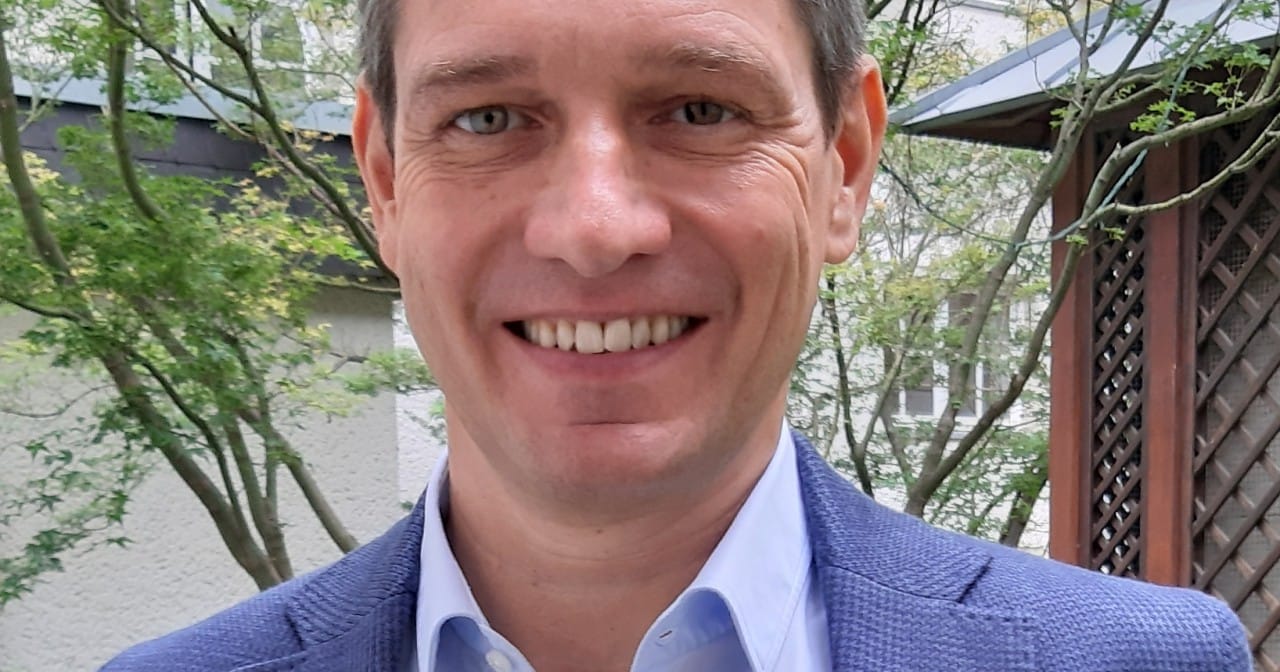
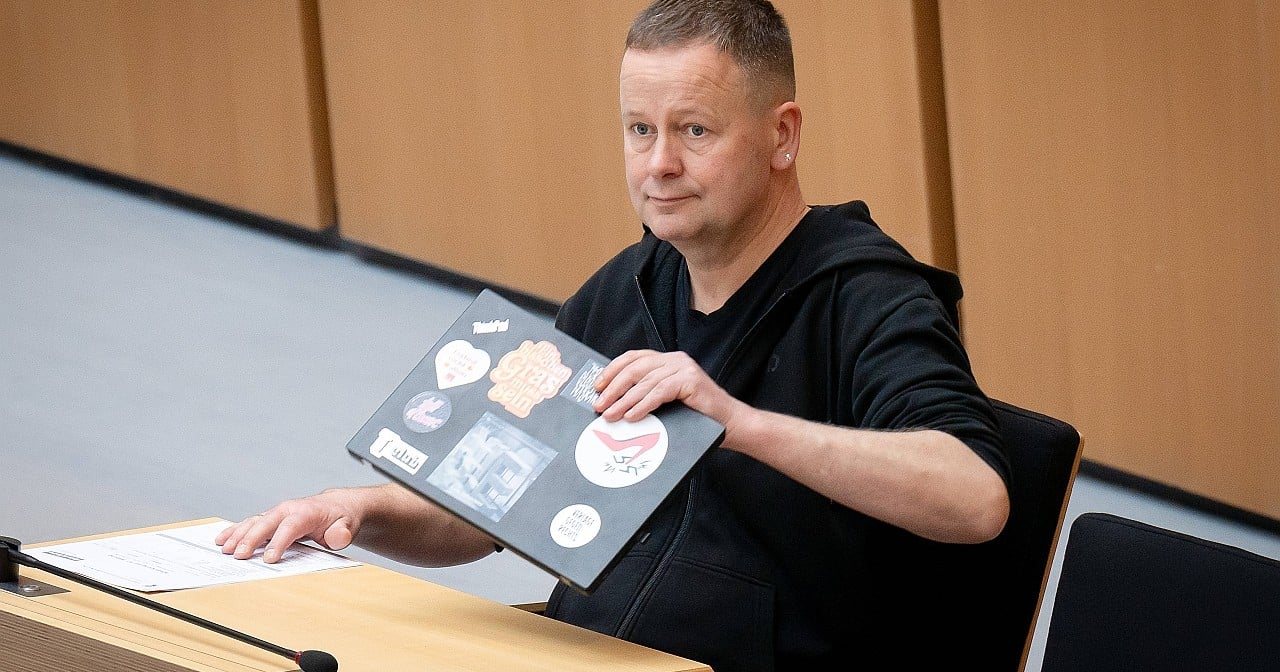
Direct link | Klaus Lederer’s speech in the Berlin House of Representatives |
Since 1979 Berlin has been celebrating CSDs. In the beginning there were only a few hundred people. For years it has been these clubs, collectives, initiatives, and institutions that fought for their rights and laid the groundwork for queer life that today enjoys worldwide renown. All of them together ensured that Berlin is now a symbol of freedom for queers around the world. One could summarize it this way: in many respects Berlin’s queer culture is the city’s essential and most distinctive element, its glue and its spice. It was true in the twenties and in West Berlin before the fall of the Wall, and it remains true today. And if you think I’m exaggerating, these sentences appeared in the New Yorker in March 2014, and they read almost the same as what Magnus Hirschfeld wrote in 1904 in the introduction to his book Berlin’s Third Sex.
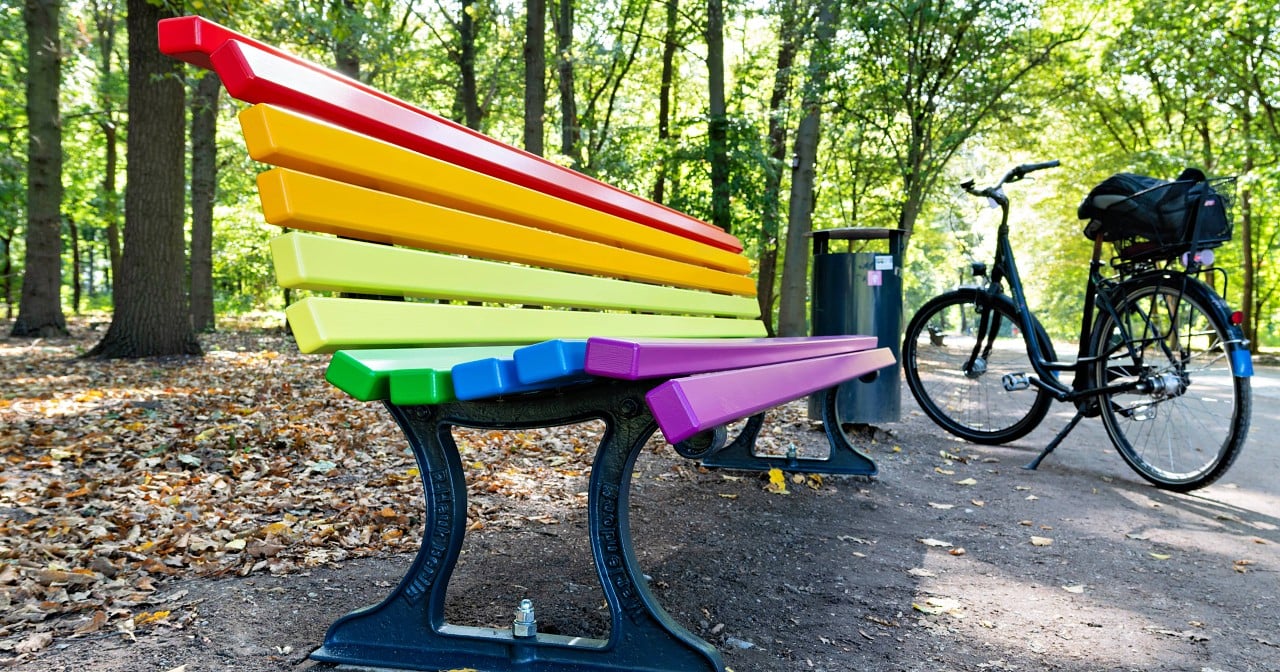
None of this is a given. In Berlin, much is changing. There is massive pressure of displacement; queer-phobic assaults are on the rise. But political support too often remains limited to gestures of goodwill that cost nothing. It’s nice that Regenbogenkiez now sits at the Nollendorfplatz metro station. But that does nothing to protect queer spaces or prevent their displacement, especially in this neighborhood.
To support a World Pride movement in Berlin must therefore mean taking responsibility. Berlin must fight for its queer spaces, must understand itself as a safe haven for queer refugees, and must work to ensure that those in danger—threatened with detention or even death in many places—can find protection and shelter in Germany and in Berlin. World Pride is not a city-marketing project. It is a question of identity: it signals to queer people around the world that you are not alone. Berlin is a place where you are welcome. Here you can live as you are and fight for your rights. The World Pride movement is therefore a chance for our city, even if not everything is perfectly in order. I hope that today we will decide—by direct vote, because shelving it in committee effectively ends the motion—that we will support this World Pride movement.
Finally, a few personal words. Like my colleague Anne Helm, this may be my last speech. I have sat in this parliament since 2003 and, for a number of years, on the Senate bench across the way, where I was able to contribute to shaping Berlin’s culture. I want to thank everyone with whom I could work collegially and who moved the issue forward. We are truly living in difficult times. Anne Helm has said as much. To those who will remain in the democratic factions from autumn onward: take unconventional paths! Do as the motto of the Berlin City Mission urges: Seek the best for the city! This is about the cause, not about exclusionary rituals or social media. And in the end I echo my colleague and columnist Leo Fischer: Ciao, scusi, stracciatella!
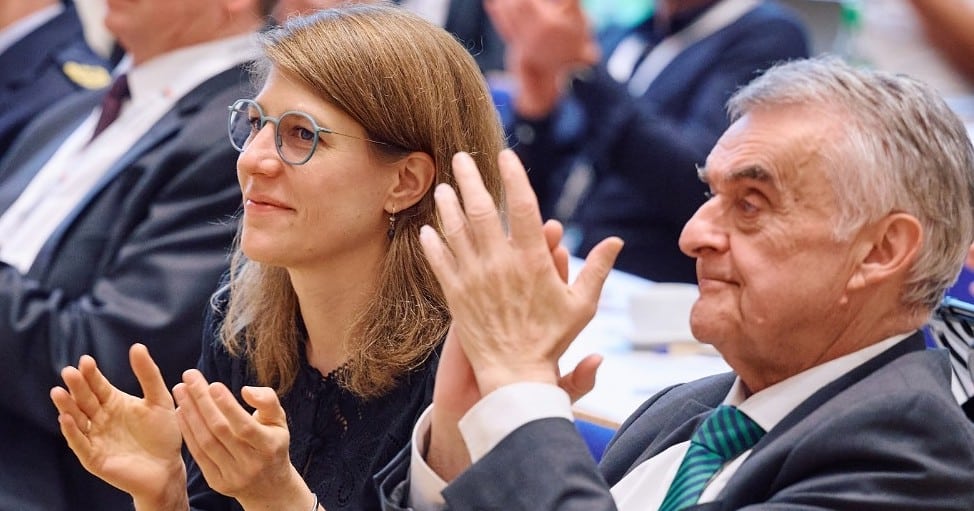
For his speech Klaus Lederer received sustained applause from the Left, the CDU, the SPD and the Greens. The motion by Greens and Left to support the World Pride bid of the Berliner CSD e.V. was referred to the Committee on Integration, Women and Equality, Diversity and Antidiscrimination. The Left’s motion for an immediate vote was rejected.