International human rights organizations are condemning the actions of a university in northern Bangladesh where, in May, several students were expelled for alleged homosexuality and handed over to police. The incident underscores the increasingly repressive and dangerous climate for queer people in the country with 178 million inhabitants.
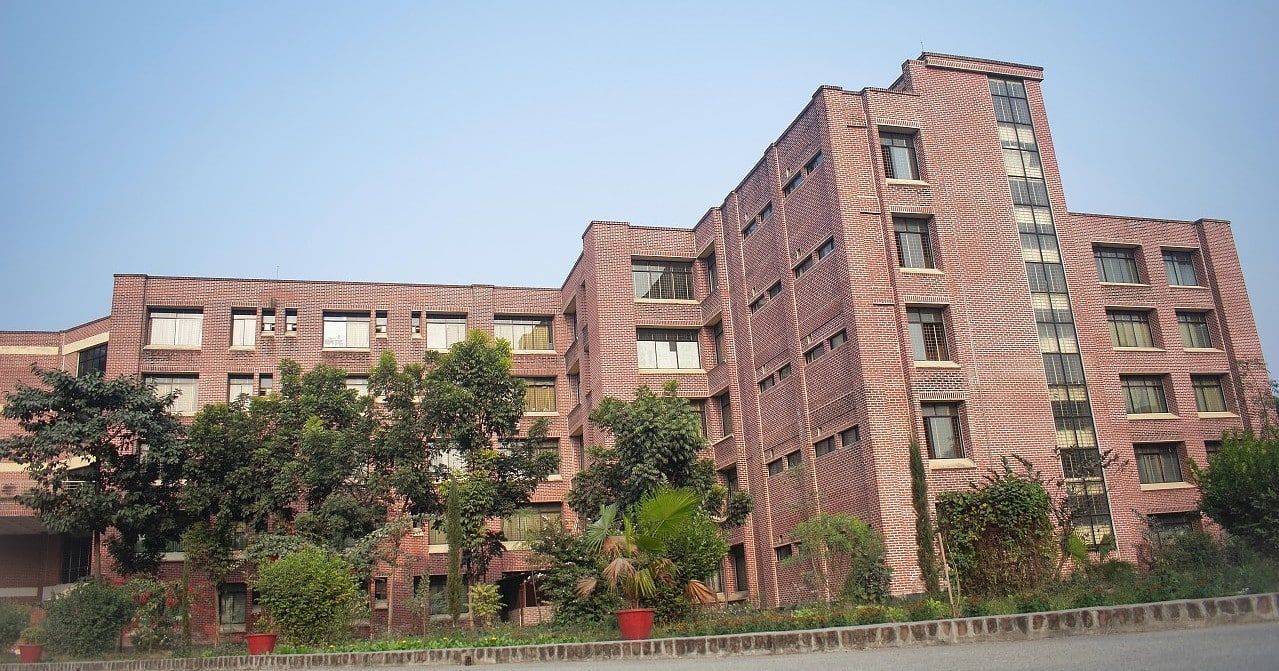
The Hajee Mohammad Danesh Science and Technology University (HSTU) in Dinajpur, located in the far northwest of Bangladesh, is affected. Activists describe it as a targeted “hunt” for queer students.
The Course of Events
According to reports by the human rights organization JusticeMakers Bangladesh in France (JMBF), the incidents unfolded in mid-May in two waves. On May 16, university authorities officially suspended students from teaching duties on charges of homosexuality and “immoral activities.” Three days later, two students were handed over by the university administration directly to the local police.
Local sources said that the authorities’ actions were preceded by a harassment campaign within the student body and on social media. Homophobic groups had systematically gathered information to out queer classmates and pressure the university leadership. The university’s chief disciplinary officer, Professor Dr. Nausher, told 76crimes.com: “We are pursuing a zero-tolerance policy against this social ill. Immediately after the allegations were received, legal steps against the accused were already initiated.”
Homosexuals face lifetime imprisonment under British colonial-era law
The incident at HSTU fits into a broader pattern of assaults and state persecution. In Bangladesh, homosexuality remains illegal under Section 377 of the Penal Code—a relic of British colonial rule—and can theoretically carry a life sentence. While the law is rarely used for formal convictions in everyday life, authorities, police, and conservative groups allegedly rely on it to justify arbitrary arrests and raids, or to bully and harass queer people, according to queer organizations.
“We condemn these illegal and discriminatory actions by the university administration in the strongest terms. Excluding students because of their sexual orientation violates the fundamental right to education and puts them in immediate physical danger,” said Shahanur Islam, founder of JMBF.
Since the 2016 murder of prominent LGBT rights activist Xulhaz Mannan and his partner by Islamist extremists, the queer community in Bangladesh has largely operated underground. A Pew Research Center survey from 2025 found that only eleven percent of the population would have no qualms if their child were gay — far lower than in other Asian countries like Thailand, India, or the Philippines.