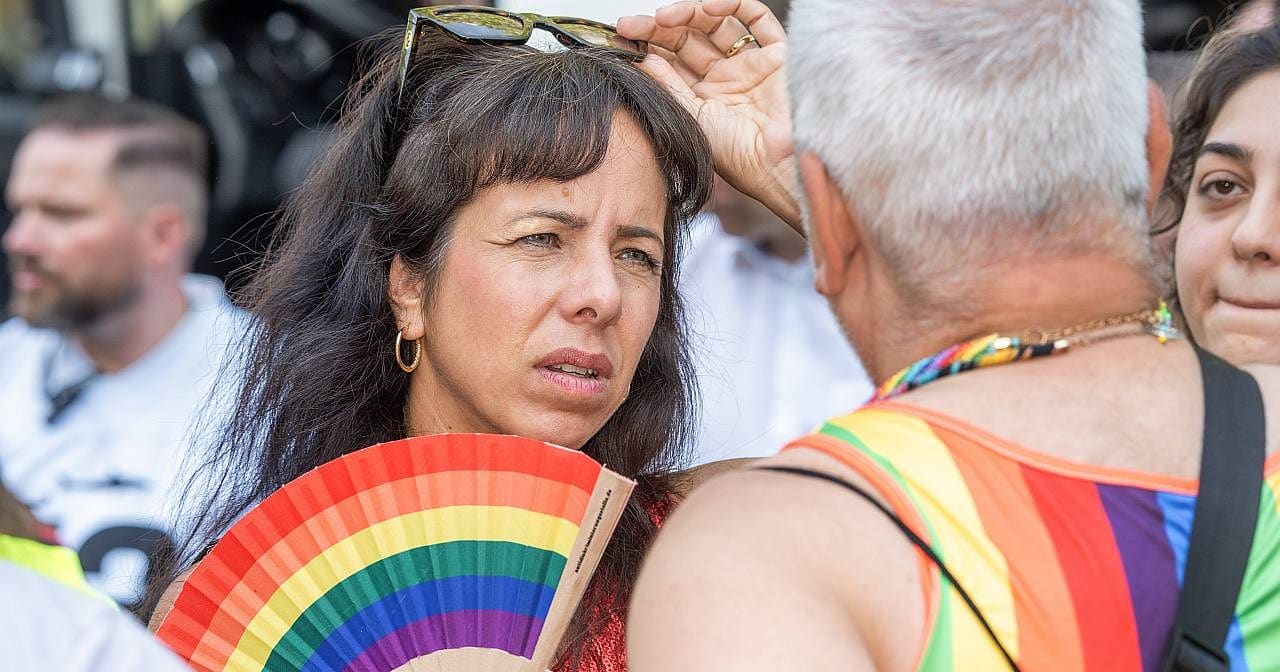
The Berlin Left Party is calling for a substantial expansion of programs designed to prevent queerphobia and for the reversal of funding cuts tied to those initiatives. In addition, they demand a thorough, unambiguous investigation into the Islamist attack on Berlin’s CSD (Christopher Street Day) event, and they presented a five-point plan under the banner “Protecting and Strengthening Queer Life!” for Berlin. The plan, which TheColu.mn has in hand, is published as a PDF for download. The five points lay out a road map for safeguarding LGBTQ+ lives and reinforcing public support for queer communities in the capital.
The move comes with a stark assessment from the Left’s leadership. Elif Eralp, who is the party’s lead candidate, together with Kerstin Wolter and Maximillian Schirmer—both of them state leaders—argue that the Islamist terror attack was aimed at the queer community and simultaneously struck at the heart of Berlin’s open, diverse democracy. They stress that many questions surrounding the attack remain unresolved and require clarification. Among the questions they highlight is why the attacker, despite being labeled a high-risk threat, was not subject to tighter surveillance, and why he was released from pre-trial detention despite a criminal history.
Queer rights should be a topic in schools
From the Left’s perspective, preventing queerphobia and funding related prevention measures are essential duties of the public sector. They point to the many social forces that can foster queerphobic attitudes—toxic masculinity, patterns of social and family upbringing, religious fundamentalism, right-wing extremism, and ethnically or racially motivated worldviews. The plan calls for a multi-pronged approach to address these root causes and to embed queer rights as a central element of public life.
In public institutions and state bodies, the plan demands heightened awareness of queer rights, along with ongoing training and professional development. In schools, it argues, education about queer rights should be an established and enduring part of the curriculum, not an afterthought or a topic that is occasionally discussed. The Left also calls for the reversal of cuts to queer-focused projects, arguing that educational outreach deserves stronger support. They insist that counseling centers, community centers, education and anti-violence programs, and services for victims must be secured in the long term, ensuring stability and continuity for those who rely on these resources.
Merz soll Abstimmung über Artikel 3 im Bundestag freigeben
The Left explicitly backs Berlin’s proposal to amend Article 3 of the Basic Law (the German constitution) to include sexual identity, a policy move that the paper notes has already cleared the Bundesrat and now awaits a Bundestag vote. The Left calls for Chancellor to authorize the vote in the Bundestag and to lift the party whip, enabling lawmakers to vote according to their convictions rather than party discipline.
Eralp also cautions against rushing to tighten the laws, warning that hurried legislative overreach would be counterproductive. She cautions against simplistic, one-sided response patterns and contends that weaponizing the attack for racism against Muslims—an approach she notes is being pushed by the far right—will not serve justice or public safety. The queer community rightly resists such instrumentalization, she adds, emphasizing that general suspicion and division are toxic to social cohesion, to democracy, and to the diversity that Berlin embodies.
The plan also stresses that the concerns and experiences of queer migrants and people of color must not be sidelined or allowed to fade from the policy debate. These perspectives, the five-point plan argues, belong in the center of the current discussion rather than on the margins, highlighting the need for inclusive policy-making that reflects the city’s diverse real-world communities.