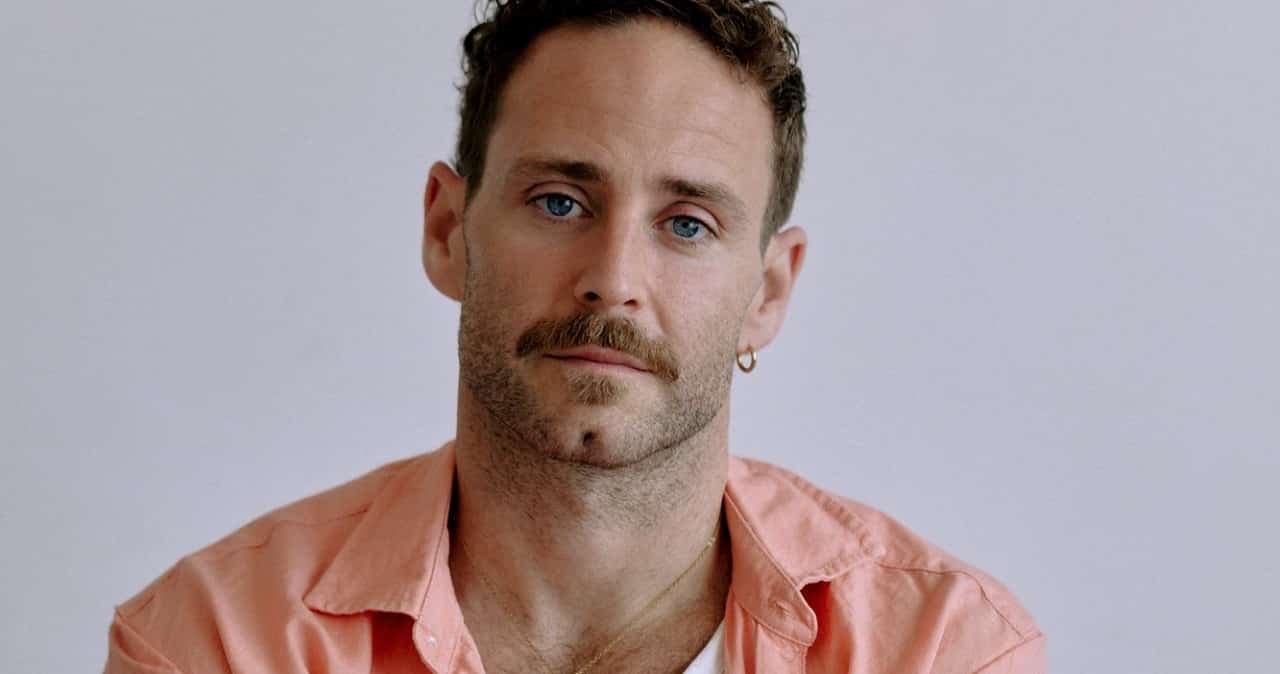
The director of the Institute of Virology at the University Medical Center Cologne, Florian Klein, has received the Hamburger Science Prize for 2025, endowed with 150,000 euros. The HIV expert was recognized for his work in the field of immunomodulation, the Academy of Sciences announced. The prize is awarded every two years, and the prize money comes from the Hamburg Foundation for Science, Development and Culture Helmut and Hannelore Greve.
“The winner of the Hamburger Science Prize on the topic ‘Immunomodulation’ embodies in an outstanding way what excellent medical research can bring to individual people — new therapies for cancer and autoimmune diseases as well as infections,” explained Academy President Prof. Mojib Latif. Klein is doing impressive work in the field of infectious disease research.
Klein Plans to Invest Prize Money in Research
Klein announced that he would invest the prize money into research to determine why the virus remains controlled for many years without medications in some people with HIV infection after antibody therapy. “We suspect that the reason is an interplay between cellular components of the immune system and the antibodies supplied,” Klein explained. “But exactly how this works, we do not yet know.”
Direct link | Video portrait of the prize recipient
|
Klein, born in 1977 in Essen, studied medicine from 1998 to 2005 in Cologne, Zurich, Bologna and Boston. After three years working as a resident physician in Cologne, he moved to Rockefeller University in New York, where he specialized in HIV research. In 2015 he accepted a call to Cologne on a DFG Heisenberg Professorship, and two years later he became Director of the Institute of Virology at the University of Cologne.
Senator: a socially “highly relevant field of research”
Klein is a member of the National Academy of Sciences Leopoldina and has for years been among the world’s most-cited scientists in his field. He has received numerous awards for his work — including the Georges Köhler Prize from the German Immunology Society, the German AIDS Prize, the Heinz Ansmann Prize for HIV research, and most recently the Galenus von Pergamon Prize.
Hamburg’s Science Senator Maryam Blumenthal (Greens) described Klein’s work as a socially highly relevant field. “Because the defense against viral infections concerns all of us.” Klein’s work, particularly in antibody-mediated prevention and therapy of HIV, represents genuine pioneering work. “His work demonstrates how ambition in research, curiosity, and the courage to pursue new paths can enable scientific breakthroughs and have effects far beyond the boundaries of his own field.”