The topic of trans people in sports is, as is well known, one of the chief intrusion points for transphobia and, in any case, a heated topic. Even within the community, some default to nothing more than the blunt reference to the so‑called biological sex. As if the point were to shield cisgender women from the supposed threat of trans women who would steal their victories and medals.
That this topic is controversial would not be the problem. But it becomes a problem when emotions and prejudices outweigh objectivity. That there is a need for regulation is something almost everyone could agree on, but exclusion cannot be the answer—and neither can the so‑called biological sex.
To say it more positively: it is all the more encouraging that a lawyer and former athlete now speaks up in the Frankfurter Allgemeine Zeitung (paywalled) with a guest contribution: “Broad-brush sex tests are not a solution.” Because at last we have a voice addressing the subject of sport and gender in general, and trans and intersex in particular, whose arguments are grounded in reason, expertise, and practical experience.
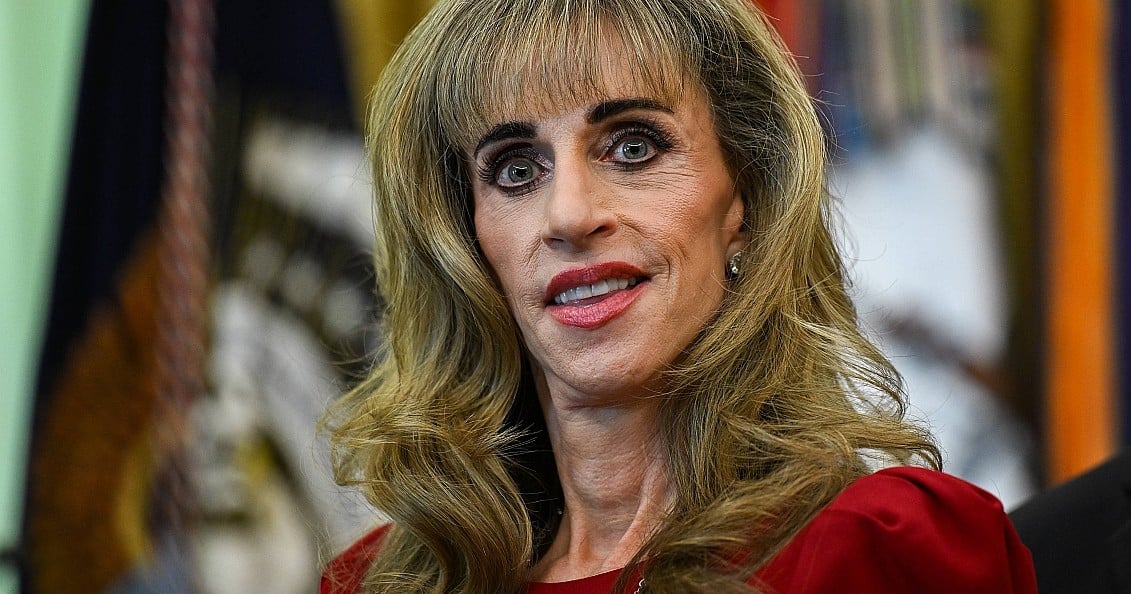
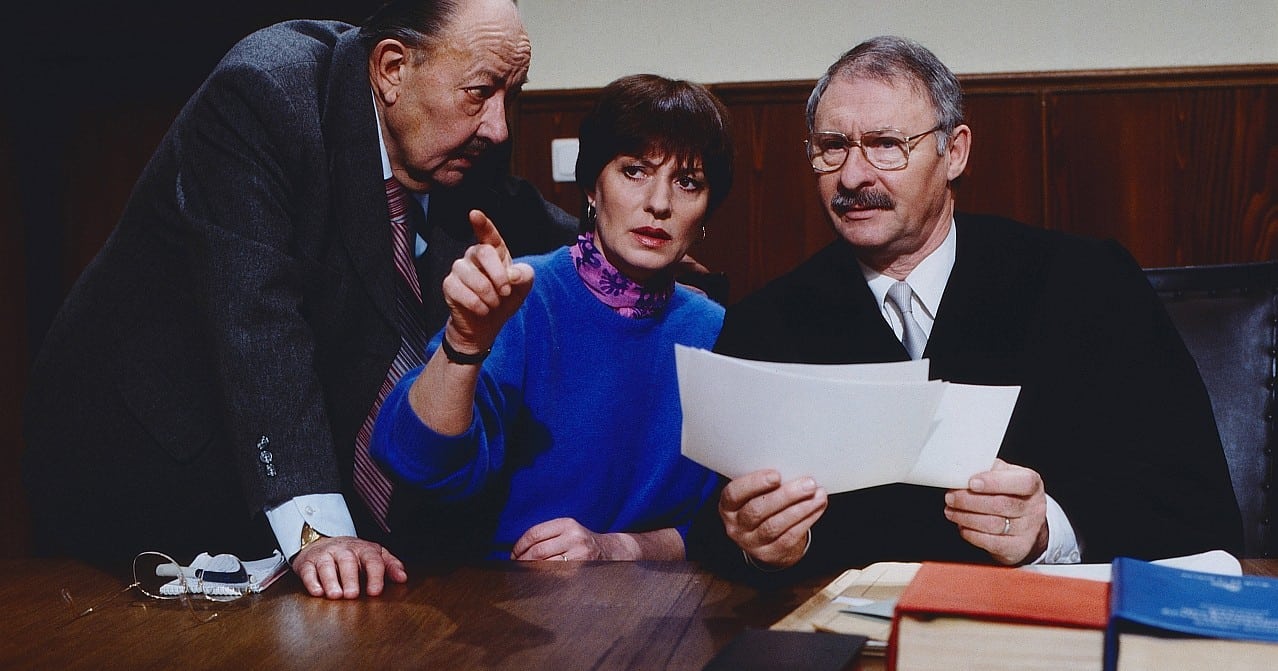
The author is Sylvia Schenk, an Olympic participant from 1972 who later worked as a judge at the labor court and since 2014 has led the Sports Working Group at Transparency International Deutschland e.V.
Die queere Community braucht eine starke journalistische Stimme gerade jetzt! Leiste deinen Beitrag, um die Arbeit von TheColu.mn abzusichern.
Gravierende Folgen für angebliche Nichtfrauen
She opens the full-page piece with deeply personal memories from her time as an athlete, when physical examinations by palpation for gender testing were still the standard, only to be replaced in 1968 by genetic tests. She passed the test with the officially confirmed result: 100 percent female. When she became Frankfurt’s city commissioner for women decades later, she was nationwide the only person who had passed the sex test.
What she narrates here ironically is in truth a serious problem in sport, a problem that matters because it touches the dignity and the rights of a person:
Schon damals stritten Wissenschaftler, weil ein negatives Ergebnis nicht zwingend die Weiblichkeit ausschließt. Menschenrechtler mahnten, dass eine unter Umständen falsche Einordnung als Mann zu gravierenden Folgen für die angeblichen Nichtfrauen führen.
And so it happened — she cites here prominent cases from Olympic sport history such as Ewa Janina Klobukowska or Maria José Martinez Patiño. Chromosome variations do not, in themselves, determine femininity or non‑femininity. And we are speaking here, to emphasize, of cis women.
Der internationale Widerstand gegen die Praxis von Gentests nahm wegen der Ungenauigkeit der Ergebnisse und der damit verbundenen gravierenden Eingriffe in Persönlichkeitsrechte weiter zu.
Der kurze Sieg der Vernunft
The protest of the IOC Athletes’ Commission did indeed have an impact. In 1999 the IOC declared the end of blanket testing. Thereafter, there were only individual case reviews.
Parallel dazu änderte sich auch die Einstellung zu Transgender in vielen Ländern. Das IOC erlaubte Transfrauen von 2004 an den Start, wenn sie rechtlich in ihrem Heimatland als Frauen anerkannt waren, sich einer irreversiblen geschlechtsangleichenden Operation unterzogen hatten und seit mindestens zwei Jahren fortdauernd weibliche Hormone einnahmen.
The discussion continued and in 2015 finally led to what can be described today as a welcome, almost revolutionary, decision: the IOC moved away from the requirement of gender reassignment for trans women and already deemed the intake of female hormones to be sufficient, provided a defined hormonal level was maintained. Yet things were not that simple, because the fixed values then led to sometimes serious health problems for intersex women.
Kulturkampf statt Menschenrechte
We see here not only how complex the issue of gender and sport truly is, and that this is not about a brazen culture clash à la Trump, but that in the end it concerns human rights questions. This is at least what the IOC recognized, and in 2021 it handed the international federations “framework principles for fairness, inclusion and non‑discrimination with regard to gender identity and gender variations.”
Unfortunately, none of these efforts succeeded in soothing the situation. They were last undermined by Donald Trump’s policies, which ignored scientific findings and steered the difficult topic onto a clearly skewed path, as Sylvia Schenk writes. It is problematic that there is no longer even a distinction made between trans and intersex. The consequence is currently a “regulatory morass” that has again led to compulsory genetic gender tests and has brought back open questions into the national federations, which, as Schenk argues, would rather duck the issue.
The queer community needs a strong journalistic voice — now more than ever. Do your part to support TheColu.mn’s work.
Fünf Empfehlungen für eine Positionierung des deutschen Sports
The author closes her article with five recommendations, for our legal system indeed provides “the framework for the cornerstones of a position for German sport” — and these are:
Erstens sollte es grundsätzlich keinen Ausschluss aus dem Freizeit- und dem nationalen Wettkampfsport geben. Verhältnismäßigkeit und Fairness sind die entscheidenden Prinzipien. Darauf lasse sich aufbauen.
Second, there needs to be openness to future findings. How transition and athletic performance relate to each other must be decided on an individual basis, depending on the discipline.
Tertens: “Ein Gentest darf nur bei Freiwilligkeit erfolgen. Es bestehen erhebliche Zweifel an der Freiwilligkeit, wenn ein Sextest Voraussetzung für Startberechtigung ist.” Das rechtliche Risiko von Stigmatisierung und Verletzung des Offenbarungsverbots, wie es das Selbstbestimmungsgesetz vorgibt, bleibt zu klären.
Viertens: Schenk verlangt umfassende Aufklärung und psychologische, medizinische und rechtliche Beratung im Fall von Gentests.
Fünftens bedarf es der internationalen Solidarität, um in allen Ländern die gleichen Standards bei Aufklärung und Beratung zu erreichen.
Dem muss hier wohl nichts hinzugefügt werden allenfalls der Wunsch, dass die Debatte mit mehr Sachlichkeit geführt wird. Sylvia Schenk gibt dafür jedenfalls eine passende Vorlage.