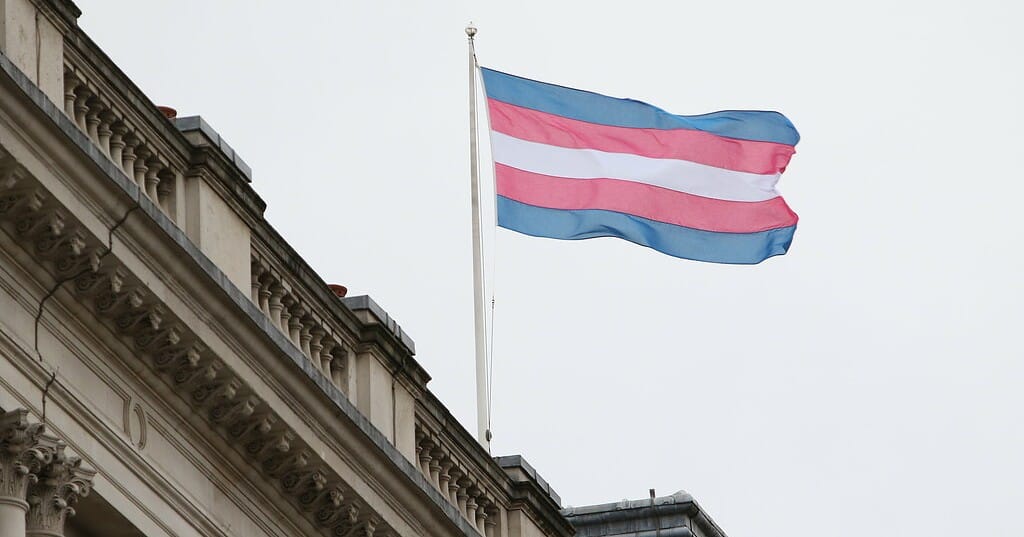
For two years, people in Germany have been able to change their gender markers without bureaucratic hurdles, and in Mecklenburg-Vorpommern more than 600 individuals have taken advantage of this option so far. In the northeastern state alone, 106 people changed their gender marker from male to female in the past year, and 193 shifted from female to male. A further 93 people and their changes were recorded by the Federal Statistical Office under the category “Other.”
On November 1, 2024, Germany’s Self-Determination Law (Selbstbestimmungsgesetz) went into effect. Since then, altering the gender marker has become far easier than it was before—a simple declaration at the civil registry (Standesamt) suffices. The rush to the civil registries was substantial: in the last two months of that year, 2024, 227 gender-marker entries were changed in the northeast.
After the initial surge following the law’s introduction, the activity has cooled somewhat, a Rostock city spokesperson explained. In the final two months of 2024, Rostock records show 109 people using the option to adjust their gender in official records. For all of 2025, the figure was 72, and in the course of 2026 thus far, it stands at 56. “At the beginning, the demand was high; now it has begun to level off a bit,” the spokesperson noted.
Greifswald has seen a similar decline. In 2024, 37 changes to gender markers were carried out, in 2025 the number rose to 49, and in the current year so far, 27 have been recorded. The nationwide scope of the changes shows that more than 30,000 people have used the law to alter their gender marker and their first names. The Federal Statistical Office’s figures indicate that the national trend is pulling back this year: in the last two months of 2024, 10,589 changes were reported; across all of 2025, 15,688; and in the first seven months of this year, 4,620.