261 films comprise the Viennale’s program, running from October 22 through November 3, 2026. Only about a third of them are directed by women. “A still inadequate share,” admits Eva Sangiorgi, the festival’s director and chair, reflecting critically on the state of play. Yet compared with Venice, Cannes, or Locarno, that figure isn’t particularly high there either.
Still, from a queer perspective the lineup reads as strong. This year, the Vienna International Film Festival pairs mainstream highlights with a few extraordinary titles that are unlikely to see wide U.S. release.
When a Gay Party Animal Has a Child
The Cannes Film Festival remains the largest queer fountain the Viennale taps this year. In the French drama “Garance,” the titular young actress falls for a set designer, sparking a happy romance. Yet Garance struggles with alcoholism. The film traces her addiction in the tension between everyday control and denial, choosing to avoid easy clichés and delivering a moving, authentic portrayal.
Substance abuse also informs “Club Kid,” in which Peter’s riotous club nights come to a halt when he assumes responsibility for a 10-year-old. From party monarch to model dad? It’s not that simple, as director Jordan Firstman — known for “Rotting in the Sun” — demonstrates in his first feature.
The Tingles of Tangles
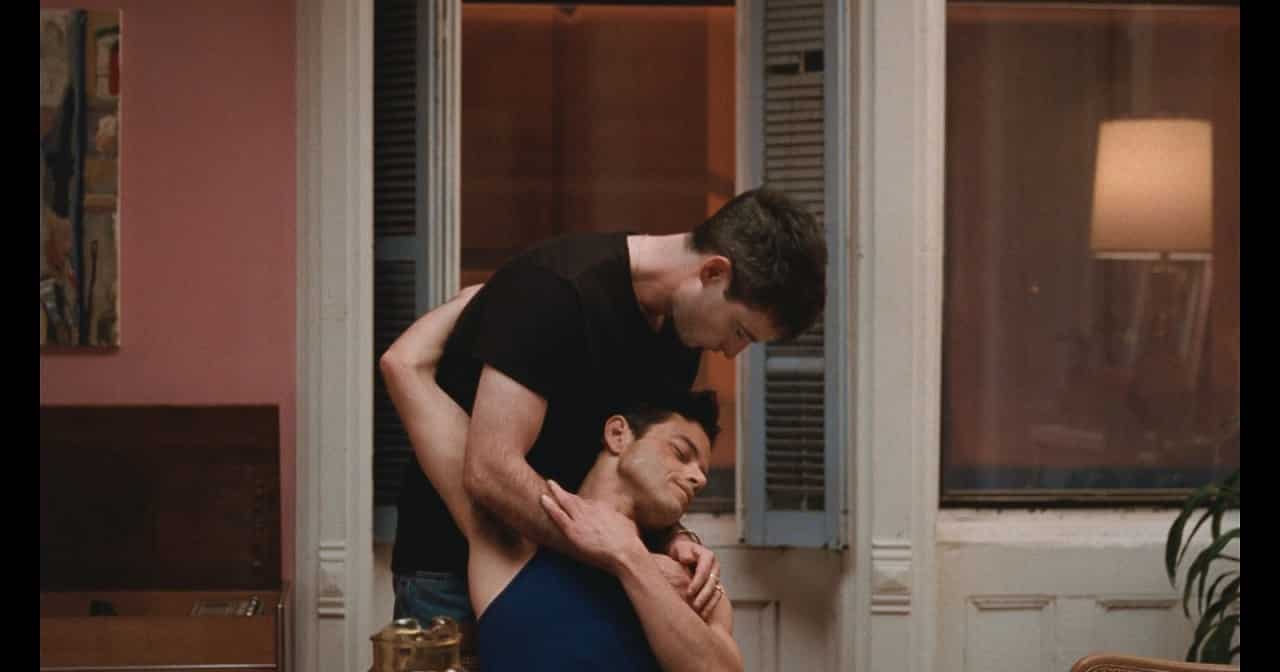
From contemporary New York to the AIDS-plagued city of the 1980s, Ira Sachs brings us “The Man I Love,” a drama that even has a Vienna stopover. The singer Jimmy longs to return to the stage despite illness, while a triangular romance unfolds around him.
Meanwhile, queer Sarah journeys between the metropolis and the countryside after learning her mother has Alzheimer’s disease. The animated feature “Tangles,” directed by Leah Nelson and based on Sarah Leavitt’s autobiographical graphic novel, moves between sorrow and joy—a story that will draw many tears.
Transition in War
Back in the present, French high school students on a class trip to Italy in “La Gradiva” encounter all that trips can bring—arguments about politics, moments of ghosting, and coming-of-age pressures that speak to queer viewers anew. Cannes had already lauded this coming-of-age film.
The global moment also colors queer cinema at the Viennale. In Isabelle Stever’s “Rarely Do I Wake Up Dreaming,” the story follows Oleh, a trans man, and his partner Olya. As they attempt to flee the Russian assault, Oleh’s identity triggers complications and tensions.
Céline Sciamma’s Most Personal Film
Locarno also brought titles such as “At Night,” a group portrait of women speaking about desire and motherhood in Paris’s subway tunnels and in queer clubs, and “Objet A,” about an unconventional love triangle.
A genuine highlight that’s unlikely to get a traditional theatrical release is Céline Sciamma’s “Tutti Frutti”: a personal essay-film from the director of “Water Lilies,” “Tomboy,” and “Portrait of a Woman on Fire,” in which she reflects on cinema and queer activism.
Tony’s Father Has AIDS
Will “Joie de vivre” make it to regular cinemas? Probably not — not least because the documentary is split into two parts and clocks in at nearly 7.5 hours in total. Director Luca Guadagnino (known for “Call Me by Your Name,” “Challengers,” and “Queer”) has crafted an homage to the Italian director Bernardo Bertolucci, featuring conversations with filmmakers such as Martin Scorsese and David Cronenberg and probing the homoerotic subtexts within Bertolucci’s work.
As with “Joie de vivre,” “Eclipse” premiered at Venice. Manuel Wetscher’s Austrian drama follows Tony, who, in 1999, discovers that his father has “the gay disease” — AIDS — and the idyll of the Alpine landscape is suddenly ruptured.
Isabelle Huppert as a Bloodsucker
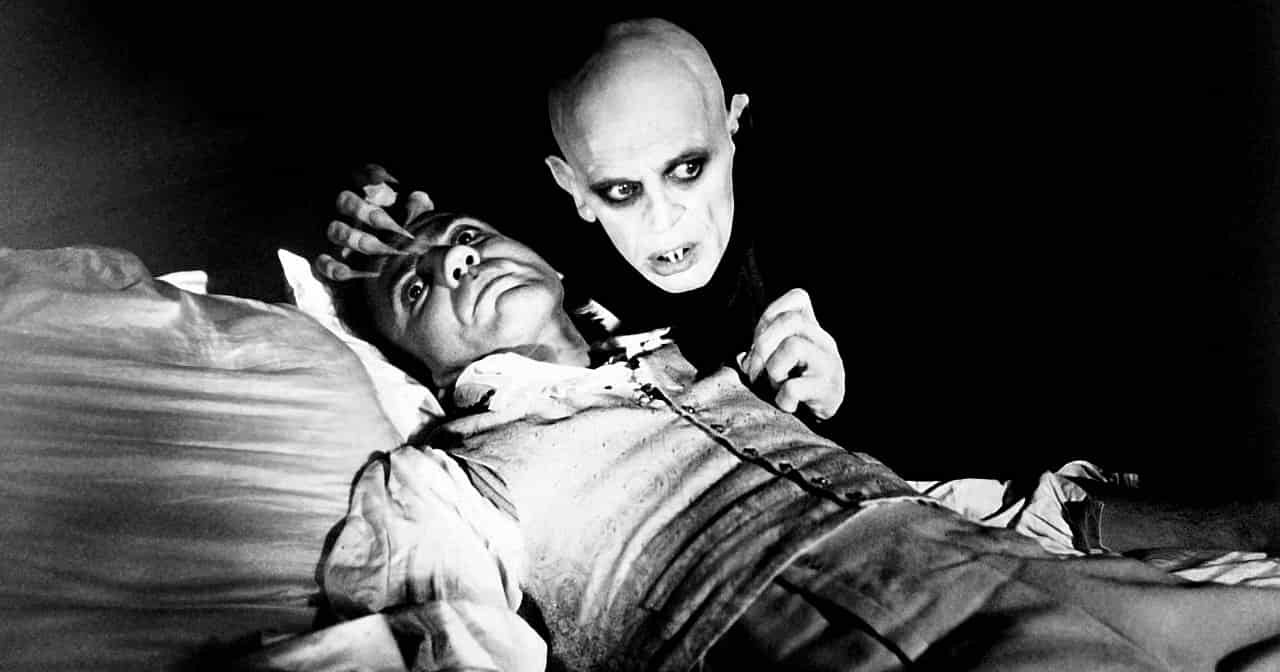
The gentle Alps are far from the setting of Ulrike Ottinger’s queer matriarchal epic “The Blood Countess.” Set in and around Vienna, the film pairs its star Isabelle Huppert with a chorus of bizarre, absurd supporting characters—a comic, wicked treat.
Around Vienna and on the way to Salzburg the 72-year-old Bobby travels, often with fellow travelers in tow. “London” leans into a deliberately open storytelling approach, gliding between documentary and narrative cinema.
Two Naked Men
Documentaries continue to face challenges at the cinema. The Viennale, however, is buoyed by the inclusion of “Transition,” a documentary about a documentary-maker—an intimate portrait that Heise began himself and was completed after his death by two close collaborators.
Documentary sensibilities also mark the work of Jan Soldat, a Viennale perennial. This year he presents his two shorts, “Manfriet” and “Bernd” — portraits of two men moving naked in their own apartments.
The New Film by Andrew Haigh
Fresh off the screen in other venues, the group of women around Peaches and Florentina Holzinger appear in “Eternity,” staging a Catholic procession on a Swiss glacier — a provocative artistic intervention on the eve of the climate crisis.
In the snow, but set in the 1950s in Colorado, lies Mikey in “A Long Winter,” Andrew Haigh’s new work. Haigh, best known for “All of Us Strangers,” tracks a family in its solitary sorrow as it is suddenly torn apart. The drama adapts a short story by Irish writer Colm Toibín.
A Camp Classic
Beyond contemporary cinema, Viennale places a lasting emphasis on film history. A retrospective this year focuses on American director Robert Aldrich. His titles, including “What Ever Happened to Baby Jane?” with Joan Crawford and Bette Davis, and “Lullaby for a Corpse” (a camp classic by many measures), remain touchstones for fans of an exaggerated, theatrical cinema.
“The Killing of Sister George,” a 1968 film about a lesbian actress named June, remains a divisive touchstone—lauded for its frank portrayal of lesbian desire even as it simultaneously presented that world in a morally complex light.