The CDU’s top candidate for the Berlin election on September 20, Stefan Evers, is calling for more video surveillance to fight crime. The tightened police laws championed by the Black-Red coalition allow video surveillance using Artificial Intelligence in crime-heavy areas and will be tested at Kottbusser Tor. “This path is exactly the right one, and we need a lot more of it, because it can make Berlin considerably safer,” Evers told the German Press Agency.
“Video surveillance has so far been used mainly to secure material for later investigations, and it sometimes also serves as a deterrent,” he explained. “But modern technology enables the police to identify dangerous situations early and to alert officers — before crimes even happen.” In this way, crimes could be prevented.
More security in the Rainbow District?
“I want everyone to feel safe everywhere in Berlin. And that’s why I believe the use of this technology belongs in the toolbox,” said Evers, who is currently the city’s finance and culture senator. “And for that, we also need to broaden the legal framework. It’s not enough to apply this only in crime-heavy areas.”
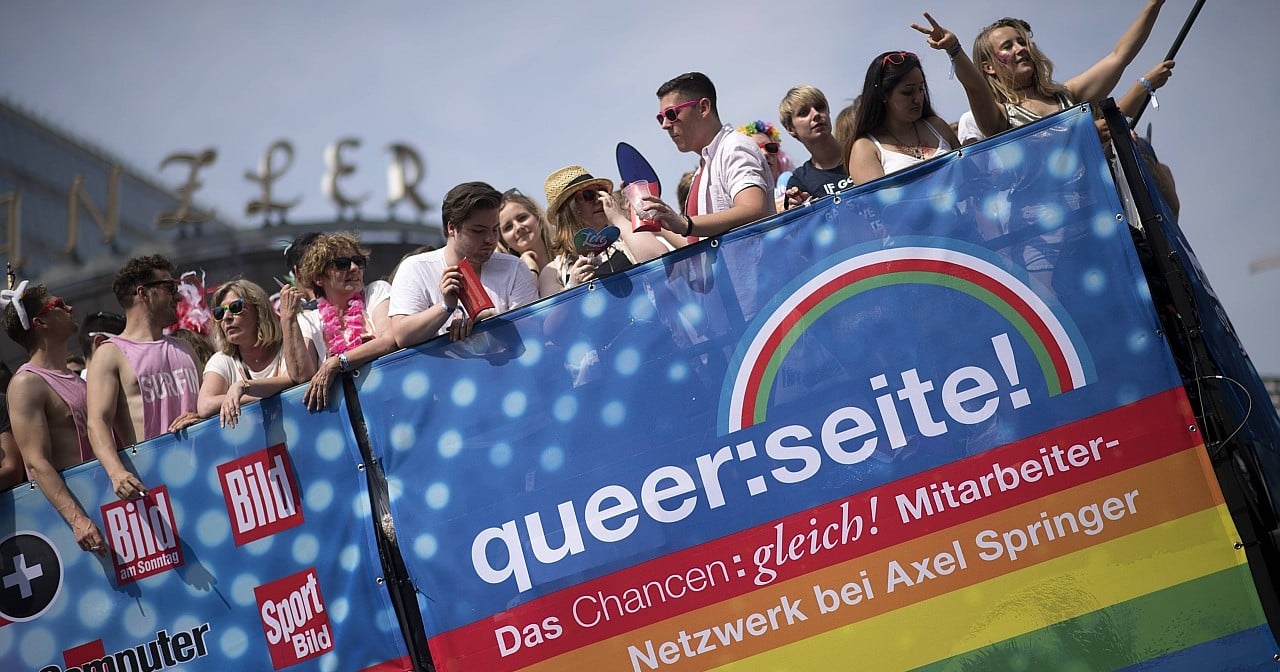
Evers proposed using detected threats as a criterion for deploying AI camera technology. He cited as a potential example places like the Rainbow District, where an Israeli restaurant or queer nightlife venues have repeatedly been threatened and attacked. AI-assisted video surveillance could provide greater security in these spaces, something that has not been possible so far.
Cutting-edge video technology
“The state must not block this path while more and more people say they don’t feel safe in certain neighborhoods,” Evers said. “And often it’s women, people of Jewish faith, or queer individuals who tell me so. Frankly, merely pointing to data privacy isn’t enough for me.” Critics of increased street surveillance frequently cite privacy concerns.
The police will soon deploy novel video technology in the fight against street crime. The AI is supposed to recognize conspicuous behavioral patterns from the camera footage and trigger alarms, enabling a rapid police response. A pilot project is expected to begin later in the third quarter, by the end of September, according to the interior ministry.
Specifically, the system will initially be used at Kottbusser Tor and later at Warschauer Straße; both areas are considered crime hotspots. If the pilot phase proves successful, the AI deployment should be gradually expanded to other heavily crime-impacted locations.