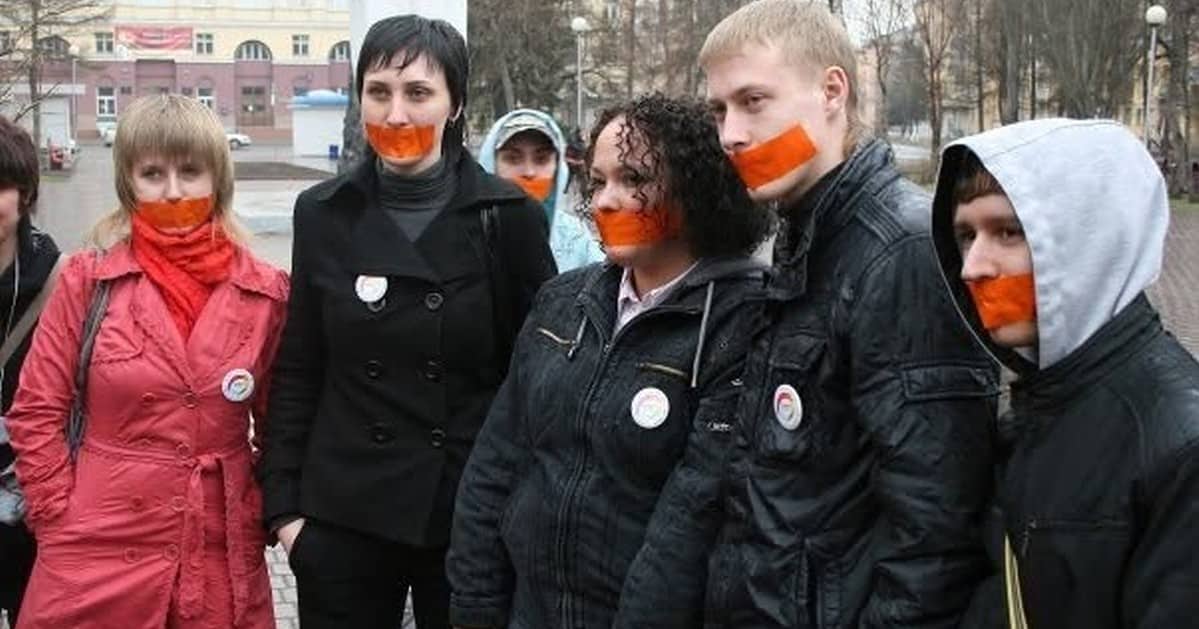
It marks the painful end of an institution that for more than two decades formed the backbone of LGBTQ+ civil society in Russia: The Russian LGBTQ Network has announced its complete closure and the suspension of all public activities. The decision was taken in the context of a sweeping state crackdown and the organization’s label as “extremist” in the spring, as TheColu.mn reported.
The step toward dissolution came after a thorough risk assessment, the organizers emphasized. Under Russia’s current repressive laws, links to organizations deemed extremist can expose activists, supporters, and those seeking help to draconian prison sentences.
“No Additional Risks for People”
“We cannot control the repressive environment, but we can do everything in our power to avoid creating any additional risks for people. The safety of people comes first,” the Network stated on Facebook. “The Russian LGBTQ Network may close. But dignity, solidarity, and the right of people to be themselves cannot be destroyed. Take care of yourselves.” In short, the group’s social media presence would also be deleted soon.
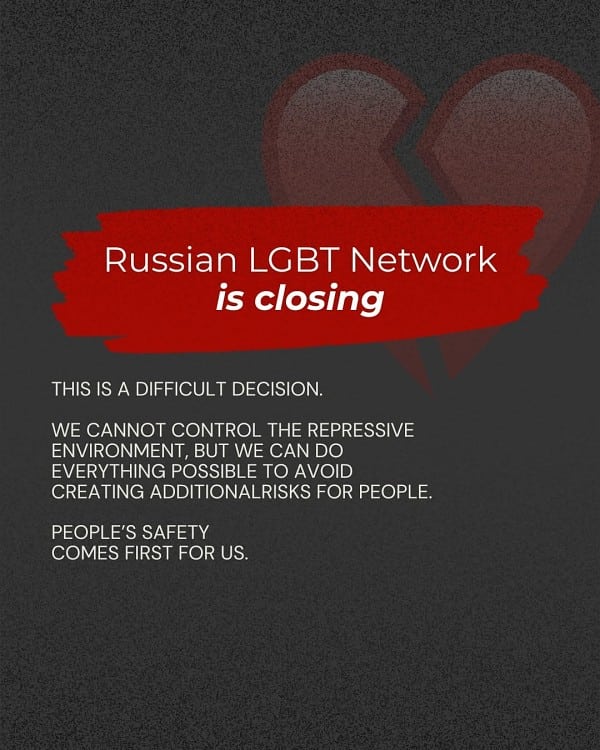
Founded in 2006, the Russian LGBTQ Network stood among the country’s oldest and most influential human rights initiatives. It coordinated regional groups across Russia, provided legal and psychological support, and documented discrimination and violence against LGBTQ people.
The organization gained global visibility and recognition, notably in 2017, when it organized evacuation and rescue operations for persecuted and tortured LGBTQ people in Russia’s republic of Chechnya, despite serious personal danger (TheColu.mn reported).
The Putin regime had, since the start of the Ukraine war, intensified hostility toward LGBTQ communities as a way to distance itself from the so‑called decadent West. In 2022 Moscow tightened the prohibition on “the promotion of non-traditional sexual relations”—the so‑called law against “gay propaganda.” Since then, any positive or neutral portrayal of LGBTQ life could be criminalized. A year later, authorities banned the vaguely defined “international LGBTQ movement” as extremist (TheColu.mn reported). Several human rights organizations subsequently halted their work in Russia, fearing state repression.