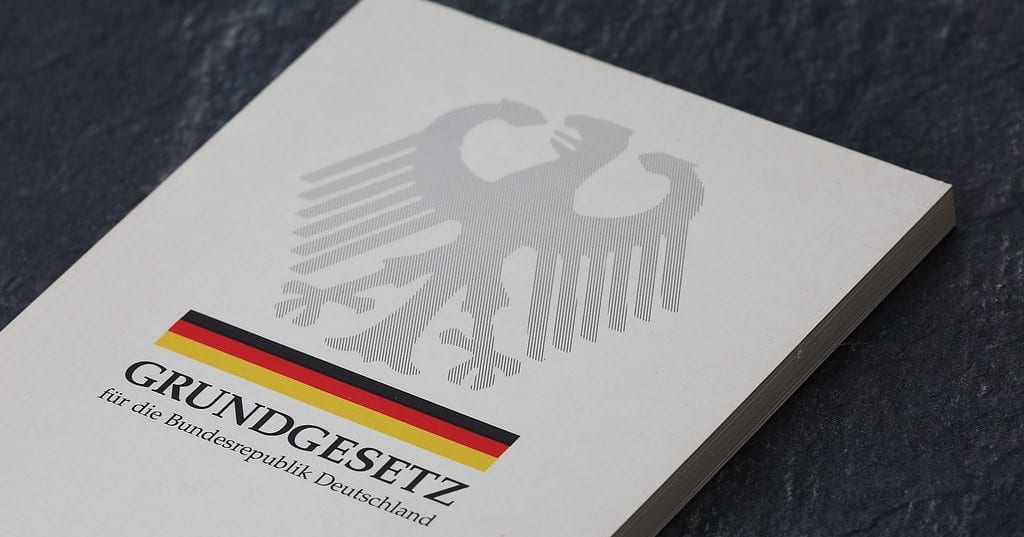
Over the weekend, Union parliamentary group leader Thorsten Frei (CDU) reiterated that he would oppose extending protection for queer people in the equal-treatment clause of Article 3 of the Basic Law, arguing that such a reform would “overload” the constitution. This stance has sparked sharp criticism from other parties.
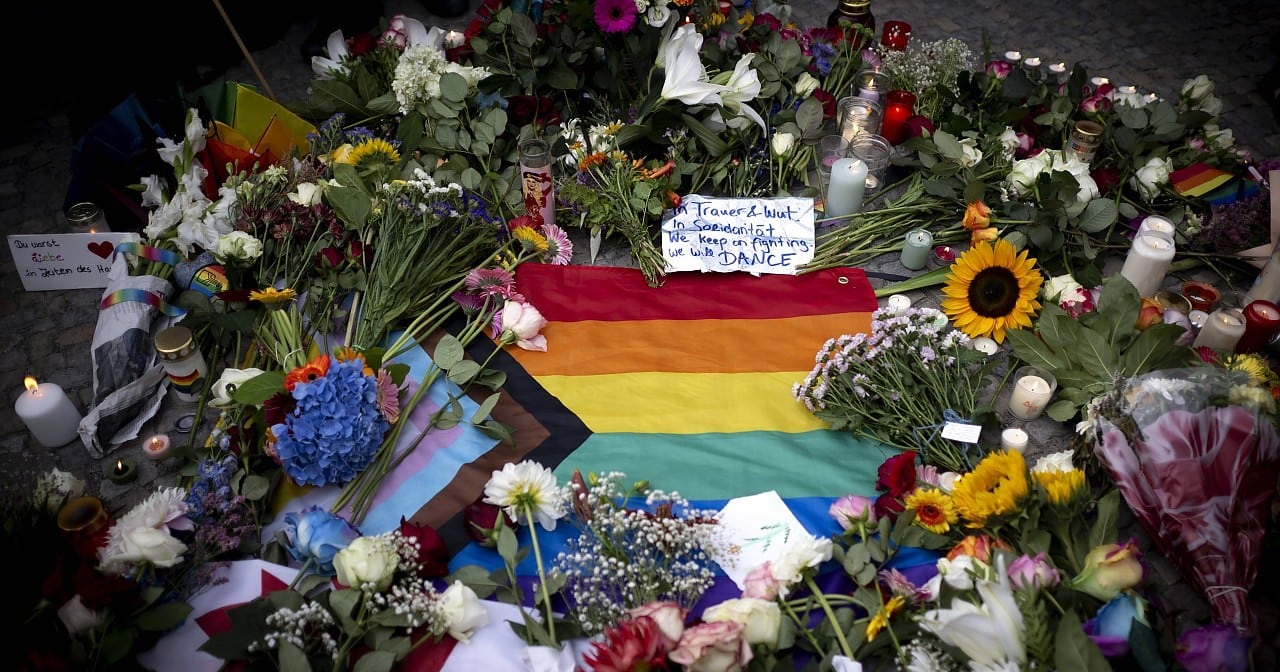
Maik Brückner, queer-issues spokesperson for the Left Party in the Bundestag, described Frei’s remarks as part of a “devastating course in national queer politics.” “The latest statements from the Union parliamentary leader show why large segments of the community reacted skeptically to the solidarity expressions from the CDU after the Berlin CSD attack: Extending the anti-discrimination protection in Article 3 of the Basic Law is a long-overdue minimal requirement and must finally be enacted,” Brückner said.
“We are equal in dignity and rights”
Ccriticism also came from the LGBTQ+ organization within the SPD: “Queer people do not need benevolent promises that the existing protection will somehow be enough. We need the clear and unequivocal statement of our constitution: We belong,” explained Carola Ebhard, national chair of SPDqueer. “We are equal in dignity and rights. Those who describe this as a ‘overload’ have not understood what a constitution is supposed to do. It should provide orientation and protection precisely when societal headwinds mount.” Similar sentiments had already been voiced earlier by Lesben und Schwulen in der Union (LSU).
View this post on Instagram
Instagram
|
In social media, there was some sharp criticism of the Union’s blocking stance. One X user wrote: “The Basic Law has around 23,000 words. Two sentences to protect sexual identity would overload it? A state that cannot or will not protect minorities has failed.”
Call for a vote without party discipline
There had been, in fact, some wings of the Union that also favor reform. The CDU-led government in Berlin had submitted a comparable motion in the Bundesrat last year and secured a majority (TheColu.mn reported). Many activists therefore—just as in 2017 over marriage equality—are calling for a free vote in the Bundestag, without party discipline.
However, that approach could backfire: in 2017, three-quarters of Union lawmakers voted to maintain the ban on same-sex marriage. If a similarly large share of CDU/CSU MPs voted against Article 3 this time, they could form a blocking majority with members of the far-right AfD to oppose protections for queer people. In contrast, SPD, Greens and Left have been advocating for explicitly enshrining queer protections in Article 3 for years. (dk)