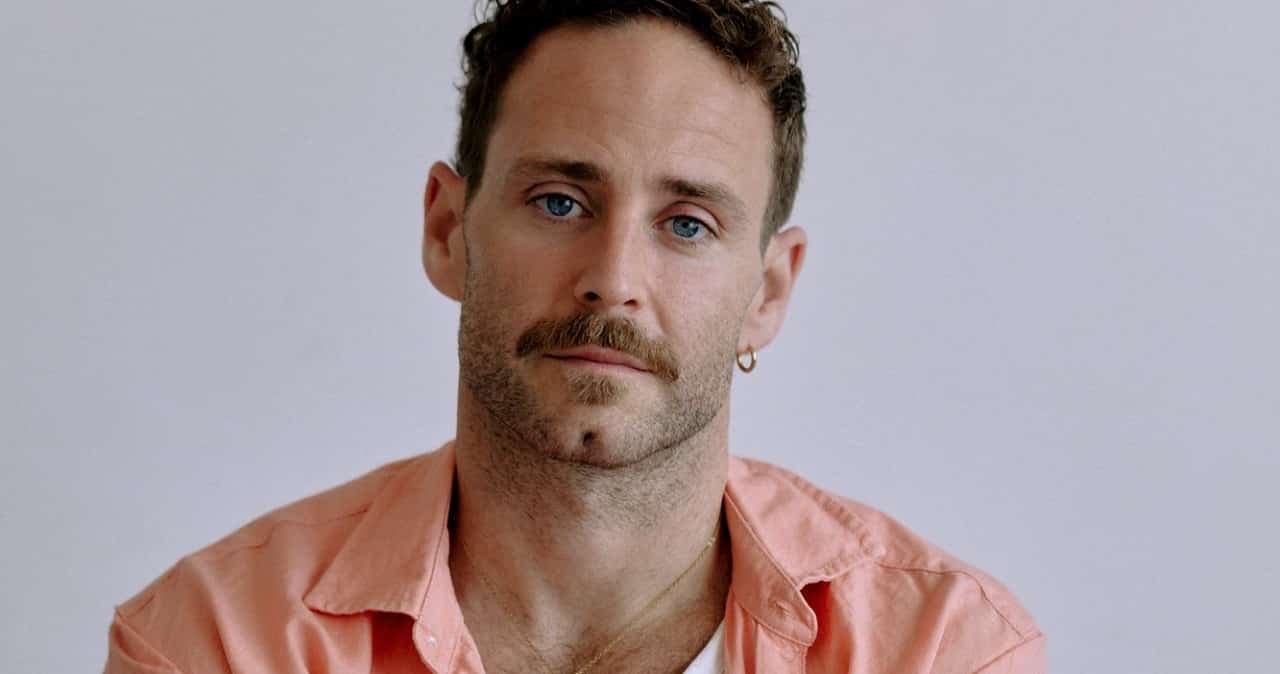
It was nothing less than a municipal political earthquake when Dominik Krause won the runoff in March against Dieter Reiter (SPD), who had entered the race as the overwhelming favorite — and even with a substantial lead (TheColu.mn reported). Since May 1, Krause has been Munich’s mayor — the second-youngest person to hold the office in the city’s history after Hans-Jochen Vogel (SPD), who once took the helm at 34, the first openly gay man and the first Green politician ever. This Sunday marks Krause’s first 100 days in office. Time for an initial balance sheet. “4.5 percent of the term has indeed already passed,” he said.
That the famous Eisbach wave on the southern edge of the English Garden would, after months of quiet trickling, roll again is something Krause can already pin to his lapel — even though he says it’s “not a success for the new mayor that it happened the way it happened.” After only seven days in office, he granted immediate approval in May and allowed surfing on the Eisbach again — to the delight of Munich’s surfing community and the tourists who had seen nothing but a nondescript city brook from the Prinzregentenstraße bridge for months.
But there were also setbacks.
Ringen um Koalition und “neues Miteinander”
Things got off to a rocky start for Krause’s government formation: specifically with Volt, the party that entered the city council for the first time after the election and, before the runoff, plastered posters for Krause and issued a clear voting recommendation, yet they could not find common ground. Because his desired coalition of Greens, Rosa Liste, SPD and Volt collapsed, Krause now leads a “Mango Coalition” (Krause: “Hopefully all the jokes about the term have already been made”) made up of Greens, Rosa Liste, SPD, FDP and Free Voters.
Not exactly what he had originally envisioned — but, as he emphasizes, an expression of a “new togetherness” in the city hall. As part of this strategy, the 36-year-old appointed Alexander Dietrich, a man from the opposition CSU, as the head of the municipal department.
Wohnen, wohnen, wohnen
Housing, housing, housing! No issue has shaped Dominik Krause’s campaign more than the tricky housing situation in Germany’s arguably most expensive city — aside from the FC Bayern controversy surrounding his predecessor, which mainly involved other people.
As one of his first acts, he convened a housing summit in May, shortly after his official appointment. In mid-July, the city council decided to establish a conversion agency intended to turn vacant office spaces into apartments.
“From a political science perspective, 100 days is too short for a robust statement. Some things can already be observed,” says Lorans El Sabee of the Institute for Political Science at Ludwig Maximilian University of Munich (LMU). “Mayor Dominik Krause is present in the city’s public life, and with the creation of the conversion agency there’s an early sign that he’s serious about fulfilling his campaign promise to create more housing.”
But that is not enough. “The real question he’ll have to answer remains: for whom is this housing being built? Will it end up mostly as expensive housing that only high earners can afford? Or will there also be housing for people with low and middle incomes?”
That’s where the city’s left-leaning councilors push back: “In 100 days as mayor, one thing has risen the most: the rents,” says their chair Stefan Jagel. “If you’re in office for 100 days and haven’t yet presented a meaningful plan to curb exploding rents, you’re leaving the city’s most pressing social issue unaddressed. People simply can’t afford to wait any longer.”
Sparen, sparen, sparen
The second major issue Krause must tackle is the city’s strained finances, even though, according to his statements, Munich is among the five percent of German municipalities that still run a balanced budget. The goal is to save half a billion euros in the current operating budget. This would be achieved through savings in personnel costs, greater digitization, and less bureaucracy — but not exclusively.
After announcing the plan to phase out free universal kindergarten starting September 2027, criticism poured in. Krause addressed it on Instagram, asking for understanding — and now, in the 100-day balance, concedes that the move could have been communicated more effectively: “A mistake that should not have happened.”
“Where savings and prioritization are made is always a decision about which groups in the city are affected,” says political scientist El Sabee. “On these redistribution questions will show whether Dominik Krause can unite the Mango Coalition’s different political priorities in times of tight budgets.”
Krause also had to defend the ban on watering gardens and filling pools, enacted by the city during periods of water shortage. Fountains were shut off — including the famous Fish Fountain in front of the town hall. He never expected to have to tackle such an issue at the start of his term, he said.
On the transportation front, the issue was obvious in a city beleaguered by traffic jams and regular S-Bahn chaos. For his 100-day balance, Krause announced that he would at least end the annoying back-and-forth between 30 and 50 on Landshuter Allee. Under his administration, the city has dropped its resistance to the speed limit championed by environmentalists and accepts the existing court rulings: it remains at 30.
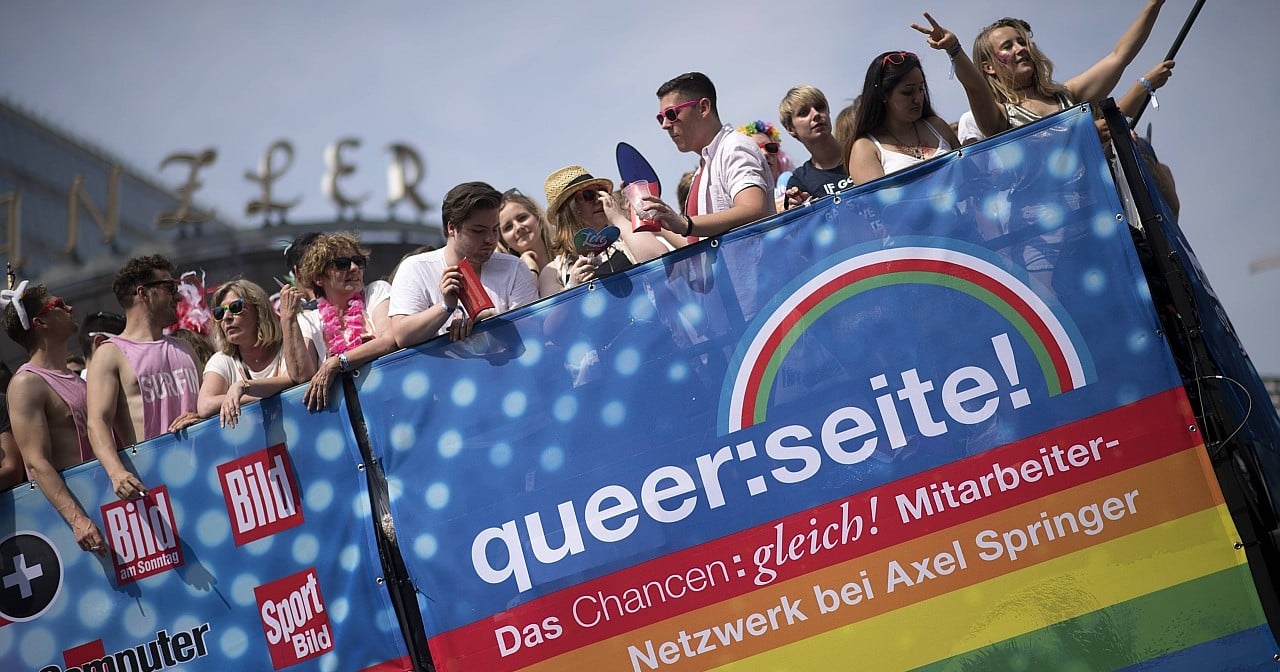
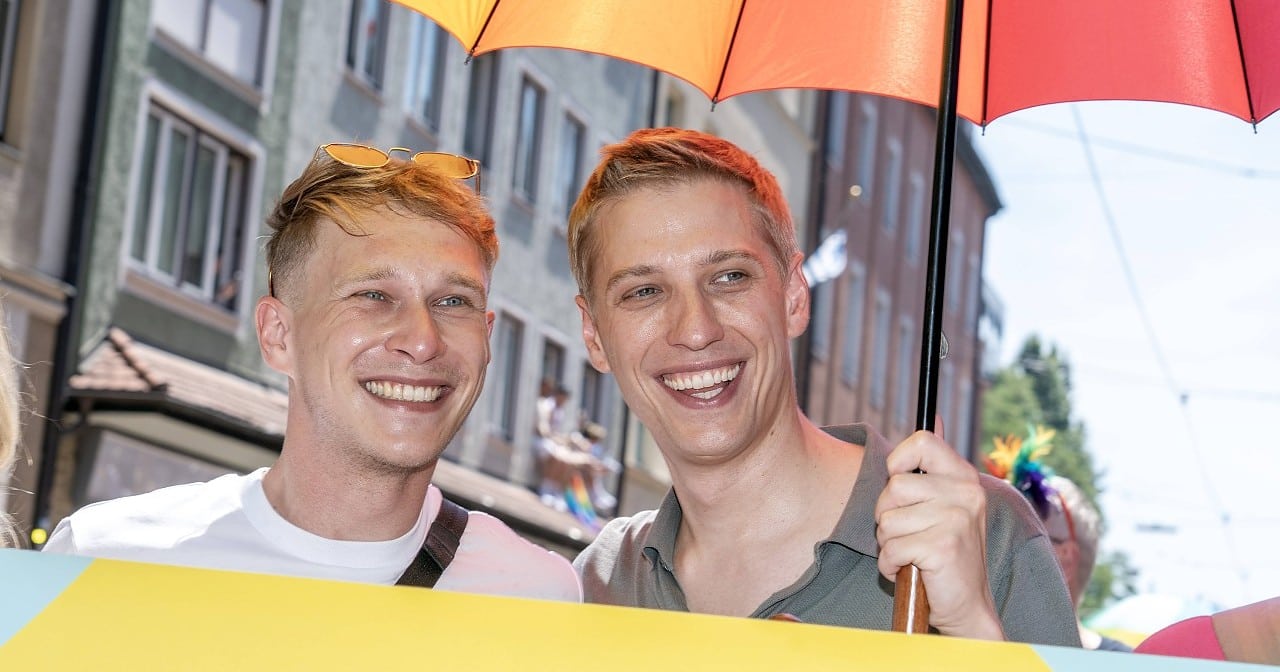
Otherwise Krause did what Munich’s mayor typically does: celebrated the German football championship with FC Bayern on the Rathaus balcony, joined in the Pride celebration, and shook hands — including with CSU Prime Minister Markus Söder, with whom he says Munich’s Olympic bid collaboration works exceptionally well, as Krause describes it almost poetically: “There is a certain magic in a CSU prime minister and a Green mayor working together.”
Wiesn, Wiesn, Wiesn
The anticipated meeting of the two politicians at the Wiesn’s beer-tapping ceremony is already being watched with great interest, especially because Krause will have to handle the task his predecessor called the most important duty of Munich’s city leader: the tapping of the first keg.
“That is the most important act of the Munich mayor,” Dieter Reiter said last year, just before he, as we now know, was about to open the Oktoberfest for the last time. No matter what the city chief accomplishes otherwise — “The key thing is that he taps with two taps.”