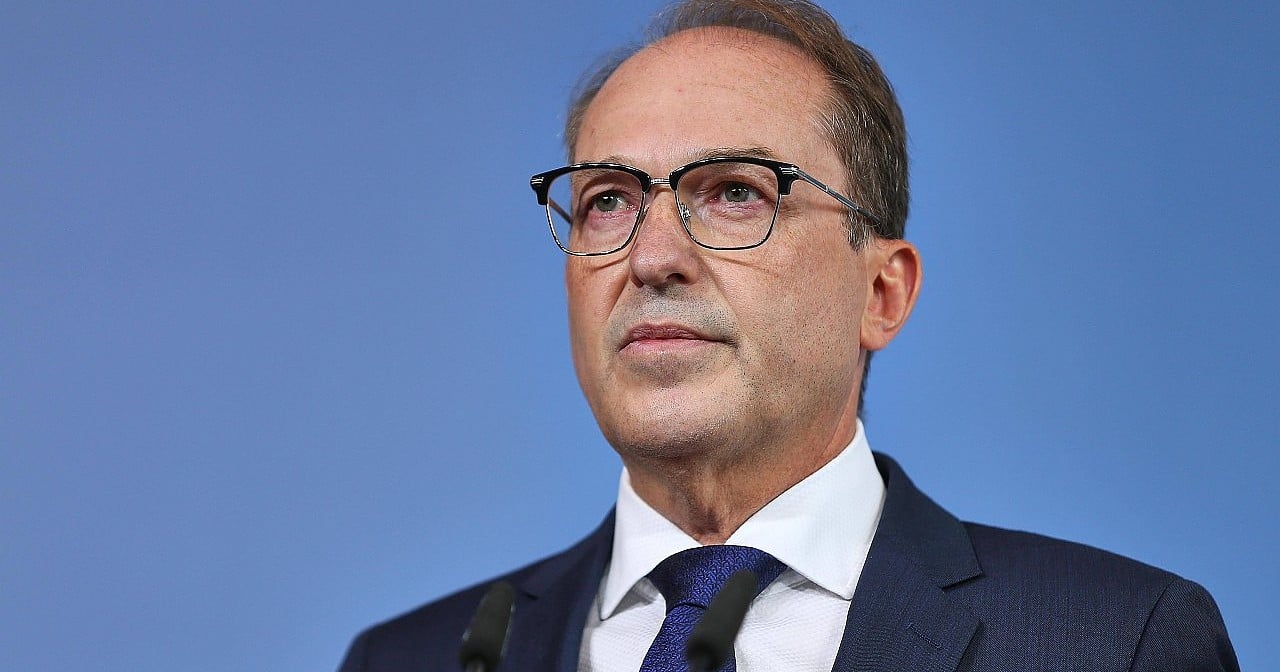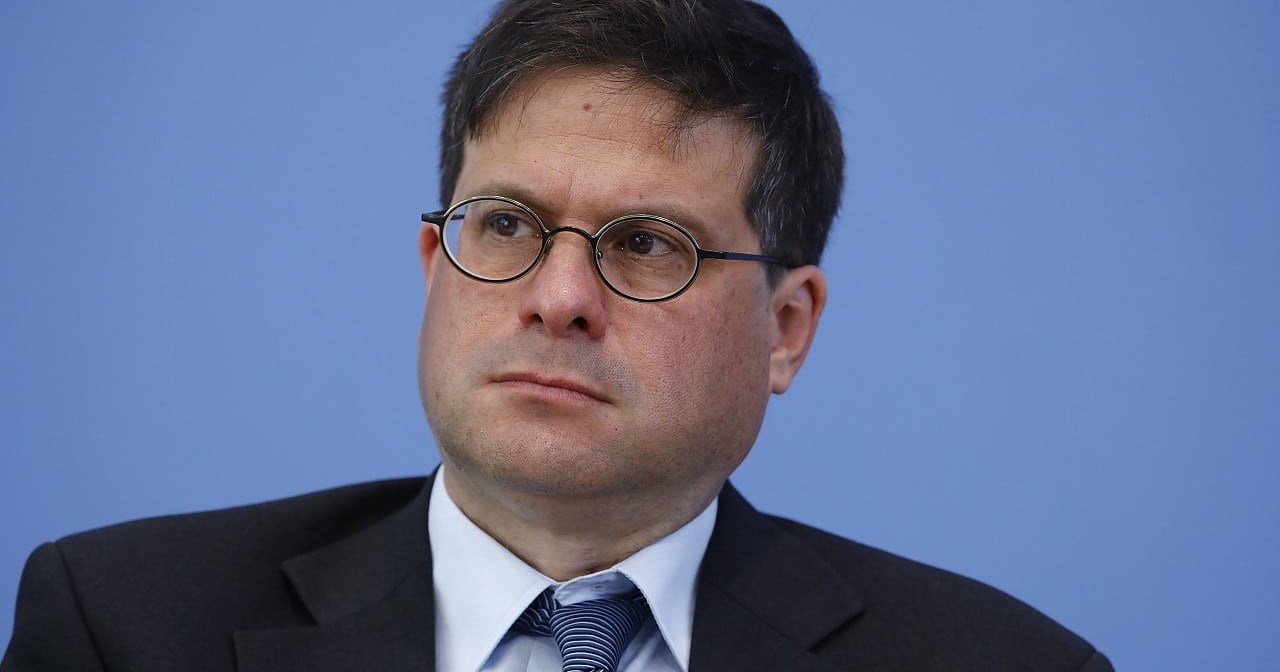
Extremism researcher Gideon Botsch sees a sharply rising willingness among voters to back the AfD—even as he believes the party is becoming increasingly right-wing extremist. “We assume that the willingness to vote for the AfD has risen dramatically, and the stigma attached to voting for the AfD has noticeably melted away,” Botsch told the German Press Agency. The political scientist heads the Emil Julius Gumbel Research Center for Antisemitism and Right-Wing Extremism at the Moses Mendelssohn Center in Potsdam. In recent polls, the AfD reached 28 percent nationwide in the Sunday question.
The Support Base Has Expanded
The AfD has, in the researcher’s view, gained more followers also because of a tougher migration policy. “We have long pegged the AfD in Brandenburg as having a stable core of up to a quarter of the population,” Botsch said. “Especially since around 2023, the AfD has clearly widened its clientele. This ties to national politics, with the CDU/CSU parties attempting to outflank the AfD on the right.”
Brandenburg’s Prime Minister Dietmar Woidke (SPD) has allegedly tried to win over AfD voters as well, the scholar noted. “She hasn’t weakened the AfD with this policy; if anything, it has strengthened the party.” The party’s topics appeared to be reinforced—”especially in portraying migration as Germany’s main problem area.”
Botsch: Retreat of Other Parties
The remaining parties, in Botsch’s view, are retreating from the political field. He points to mayoral elections as evidence. “We should not delude ourselves into thinking the AfD won’t have a real shot at seizing additional top municipal offices in the coming years, particularly at the mayoral level,” Botsch said.
On May 10, René Stadtkewitz became the first AfD candidate to win a mayoral post in Brandenburg. “That the AfD won Zehdenick in the first round is already alarming,” Botsch said. “The crucial point is that the democratic parties—aside from a FDP candidate who is not represented in Brandenburg’s state parliament—didn’t field any candidate at all.” He added that they should “learn urgently” from this. He also highlighted a broader trend of independent candidates increasingly winning elections.
Researcher: The AfD Is Continuing to Radicalize
According to Botsch, the AfD is moving further to the right. “The party is becoming more right-wing extremist; it is radicalizing further, and it is absorbing more elements of neo-Nazism—at least in Brandenburg,” he said. “And more openly now, without any pretense.” He cited a post by AfD state parliamentarian Dominik Kaufner on Instagram, in which he did not call May 8, 1945 a day of liberation from Nazism but a day of annihilation. “That is something we’ve typically associated with neo-Nazism, and it signals the trajectory the party is following.”
The AfD has also grown noticeably more hostile toward queer people. On International Day Against Homophobia, Transphobia, and Biphobia (IDAHOBIT) on Sunday, AfD politician Martin Reichardt emphasized that his party consistently rejects queer individuals (the so-called “LGBTQI ideology”).
The Brandenburg Office for the Protection of the Constitution classifies the AfD as right-wing extremist. The party has opposed this designation. The AfD is also classified as right-wing extremist in Saxony, Saxony-Anhalt, Thuringia, and Lower Saxony—with the Lower Saxony classification temporarily paused due to a lawsuit. The Federal Office for the Protection of the Constitution is not allowed to label the AfD as a clearly right-wing extremist organization and monitor it accordingly in an expedited proceeding following a Cologne administrative court ruling; a ruling on the merits is still pending.