In the United States, a grave threat to HIV care is emerging as state health authorities and programs sharply curb support for medications and treatment programs — despite decades of progress in fighting the epidemic. A study by the Kaiser Family Foundation (KFF) found that roughly half of the 50 U.S. states are trimming funding programs that cover antiretroviral medications. Tens of thousands of economically vulnerable people living with HIV could lose access to their medicines — and many cannot afford to pay out of pocket.
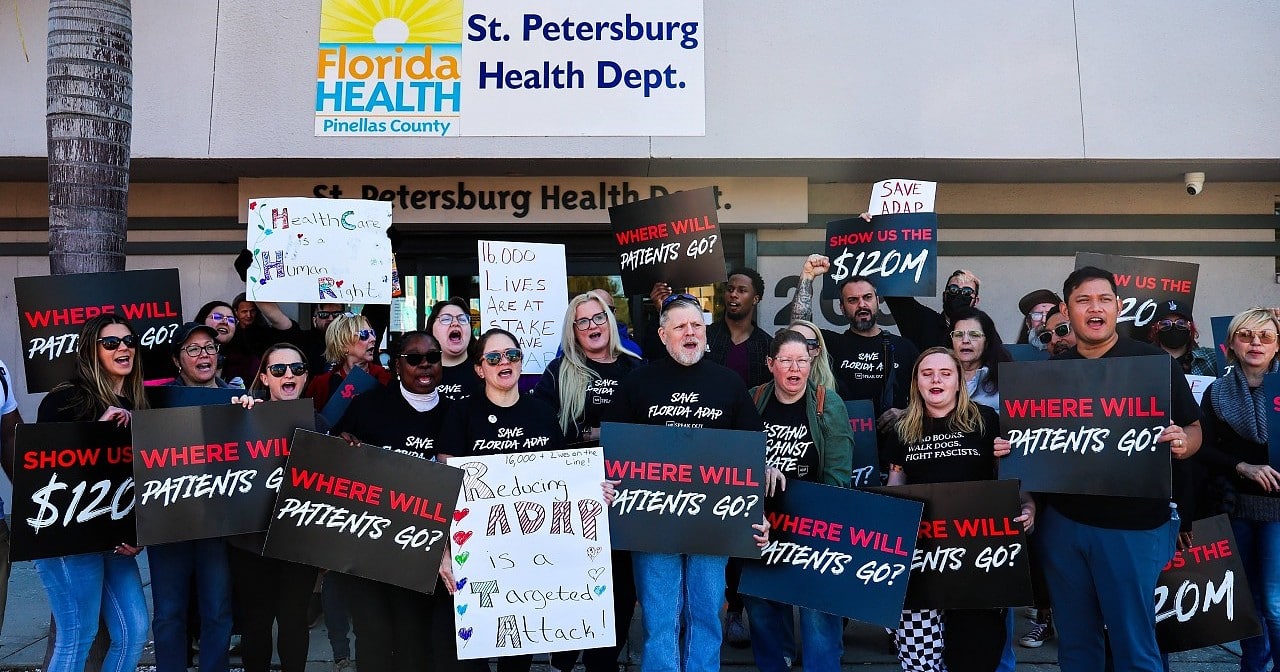
Florida is taking the hardest line: the conservative state has already severely restricted funding through an emergency regulation. Under this emergency rule, the state Department of Health drastically lowered the income thresholds for eligibility — from 400 percent of the poverty level to 130 percent. That means only people earning less than about $18,000 a year would qualify for assistance. Estimates suggest that around 16,000 people could lose funding overnight.
Direct link
|
For those without health insurance, the annual costs of recommended treatments in the U.S. health system can run from €30,000 to €40,000 — plus there are costs for doctor visits, laboratory tests, and accompanying therapies. HIV/AIDS organizations warn that such high out-of-pocket costs could leave many people without access to care. This would also generate additional costs down the line: viral loads in untreated individuals rise within weeks, weakening the immune system and increasing the risk of other illnesses. Moreover, experience shows that even relatively small gaps in care among new infections can measurably drive up transmission.
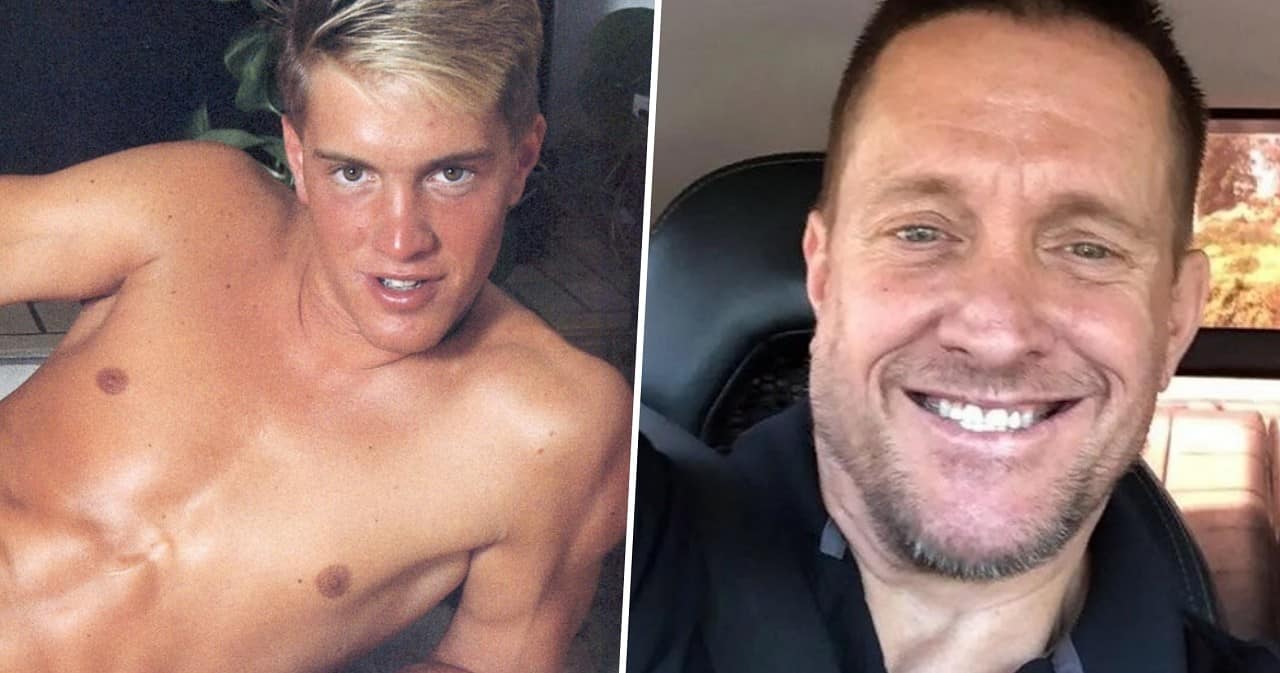
“The stress that this is causing many of us living with HIV right now is indescribable,” HIV activist Michael Rajner described the reaction to Florida’s decision. “The fear, the panic, not knowing where to turn — in a health system in this state that is collapsing.”
Facebook / AIDShealth
|
Reasons for the cuts include savings in the health system and rising costs. The Florida administration is also accused of acting on ideological grounds. Ron DeSantis’s administration has already passed several laws targeting Black communities and LGBTQ people, most notably the so-called “Don’t say gay” bill (TheColu.mn reported). In the United States, Black individuals and LGBTI people are disproportionately affected by HIV.
The number of new HIV diagnoses in the United States is much higher than in Germany: according to the American health authority, the rate of new infections per 100,000 people ranged between about 12 and 14; Germany, per the Robert Koch Institute, recorded 2.7 per 100,000.