Following a demand by FIFA President Gianni Infantino, players who cover their mouth with their hand during a confrontation with an opponent can be sent off with a red card at the World Cup. This change was approved by the sport’s international rulemakers, the International Football Association Board (Ifab), at a special session in Vancouver. The move aims to prevent discriminatory behavior, Ifab said.
Whether the rule will apply in other competitions—such as the Bundesliga or the Champions League—will be left to organizers for now. But it could eventually become a mandatory part of the rules, Ifab said in response to inquiries.
“If a player covers his mouth and says something with racist implications, he must obviously be sent off,” Infantino said on Sky less than two months ago. By covering the mouth with a hand, players on the pitch often try to obscure what they are saying from the public.
Infantino: “Why does a player have to cover his mouth?”
“That is something I simply don’t understand anyway: why does a player have to cover his mouth when he is saying something to another player?” Infantino said. One should assume in such cases that the player on the pitch said something he shouldn’t have said. “If you have nothing to hide, you don’t cover your mouth when you speak. It’s that simple,” Infantino said.
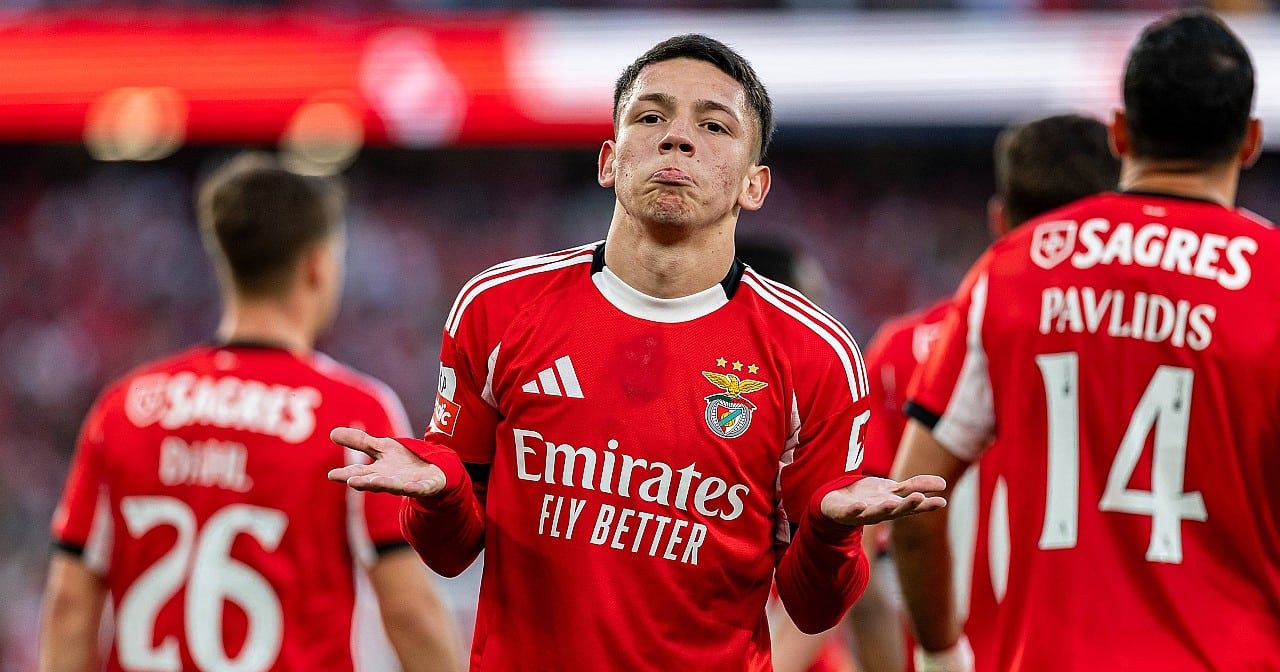
The debate intensified after an incident in a Champions League match between Real Madrid and Benfica Lisbon. Benfica’s Gianluca Prestianni had pulled his jersey in front of his mouth during a confrontation with Real star Vinícius Júnior. Prestianni was suspected of making racist remarks. He denied it. UEFA, the European football association, suspended the Argentinian for six games for a homophobic remark, three of which were suspended (TheColu.mn reported).
Further rule tightened
Another point saw the World Cup rules tightened as well. Players who leave the field in protest of a refereeing decision can be shown a red card. This also applies to officials who urge players to do so. If a team causes such a stoppage, the match is generally awarded to the opponent.
This rule also applies to the World Cup in the United States, Canada, and Mexico, which begins on June 11.