The Victims’ Advice Center for Lower Saxony documented last year a rise in hate-motivated violence, including more right-wing, racist, antisemitic, anti-queer, and other forms of hostility-driven aggression. The number of recorded attacks climbed from 68 in the prior year to 81, the counseling center reported on Monday. At least 107 people were affected — including ten minors.
Among the documented incidents, the organization’s classification also accounts for two homicide cases and one attempted murder. More than half of the cases involved bodily harm: 32 assaults and 10 aggravated assaults. There were also 22 instances of coercion and threats. The most frequently recorded motive was racism (31 cases). Attacks on people who were politically active or held political office were also registered considerably more often, totaling 25 cases.
Eight Attacks on Queer People
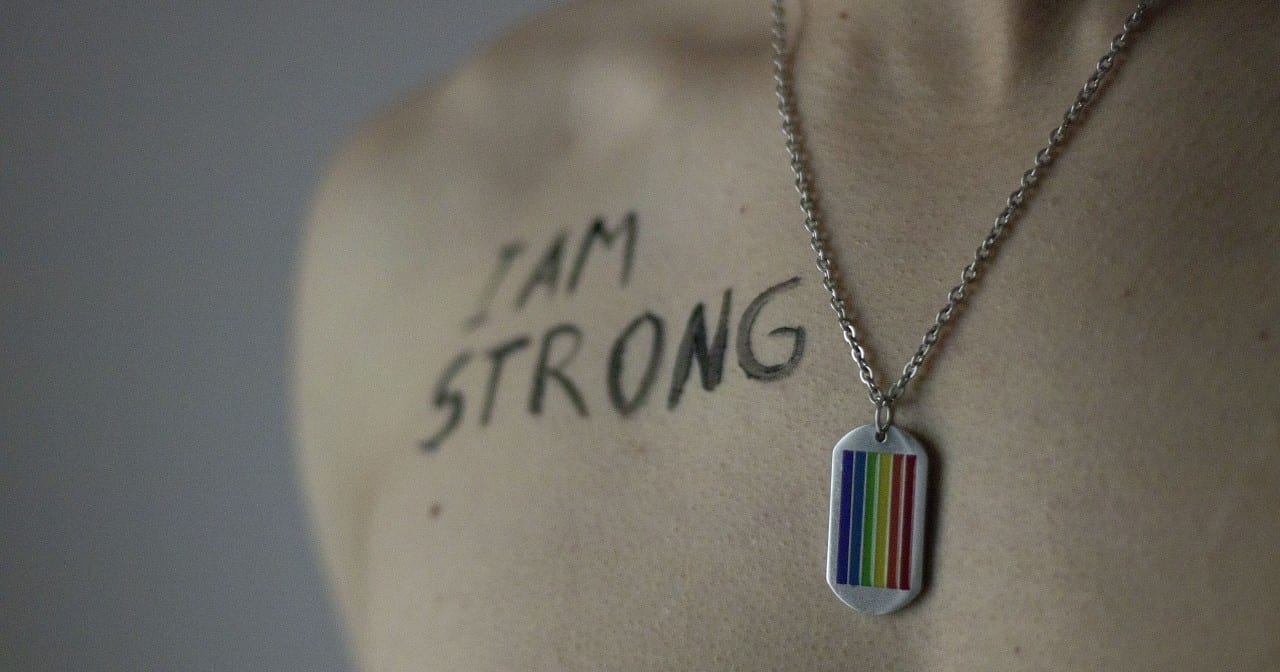
Queer individuals were also targets of hate crimes in 2025: according to the background paper accompanying the annual balance, the Victims’ Counseling Center documented eight assaults on people from the LGBTQIA+ community. Queerphobia, after racism and violence against political opponents as well as against non-conservative individuals, ranked as the fourth-most common motive. Three of the assaults occurred in connection with Pride events (CSD). People who were openly LGBTQ+ faced attacks or threats in their homes and in everyday public life as well.
As examples, the center cites an incident after the CSD in Emden, where a participant was punched in the face by a teenager and had to be treated at a hospital (TheColu.mn reported). In Osnabrück, a person was stabbed by their roommate; the victim had already been threatened and subjected to homophobic insults beforehand.
“In recent years, queer hostility has become a unifying element of the extreme right,” explained press spokesperson Anna Eschbaum. “The increasing mobilization against gender and sexual diversity contributes to a rise in harassment and violence against queer people. Pride events and other visible signs of diversity have come under greater scrutiny by right-wing actors.”
Effects Extend Beyond the Assault
The consequences could linger for years, the center explained. Fear and the loss of a sense of security can lead people to avoid certain places, alter their daily routines, or limit their visibility in public spaces. Last year, the center conducted more than 300 counseling sessions with survivors, family members, and witnesses — including discussions related to incidents from previous years.
The organization calls for sustained financial support for its work and better access to help services. Affected individuals should be informed early about available avenues of assistance, even without filing charges, said project coordinator Kara Evers. The center also views with concern the announced changes to the federal program “Demokratie leben!” (Living Democracy), which provides funding for their work.
The balance sheet is based on the center’s documentation. It represents only a fragment of the actual events, because many incidents go unreported.