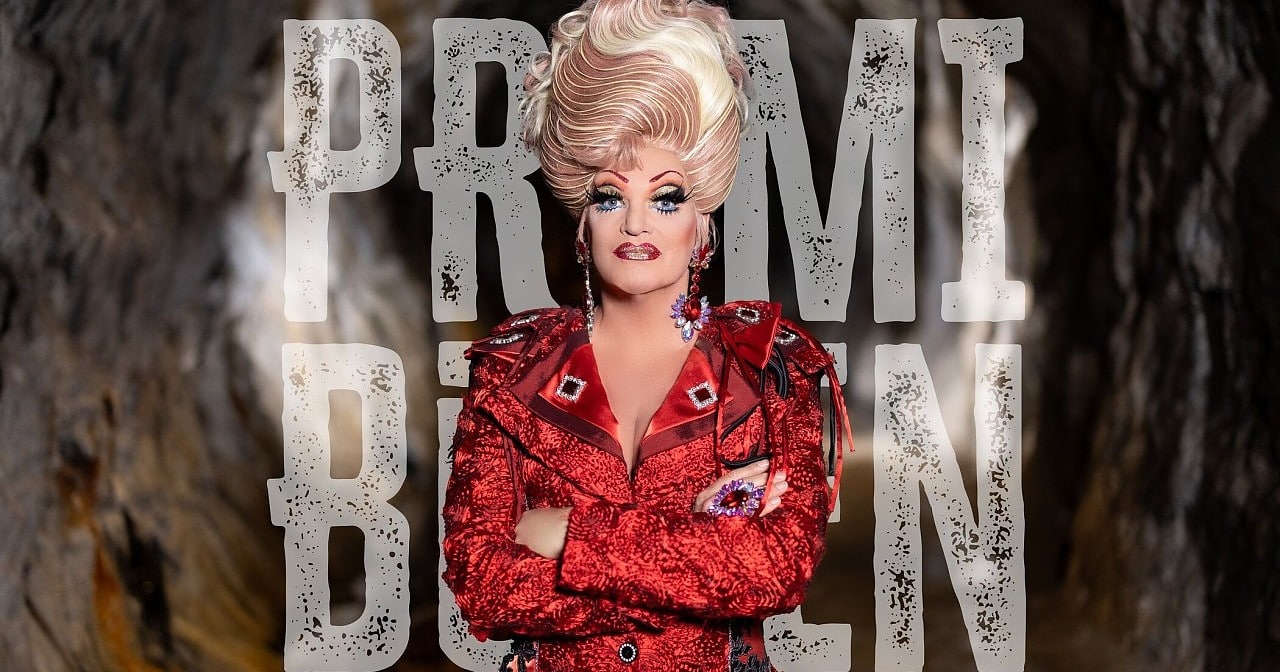
The Berlin CSD attack is, for Family Minister Karin Prien, a reason to tighten the “Democracy Lives!” program and strengthen offerings against radicalization. She announces this in an interview. Her much-criticized overhaul of the funding program for diversity, democracy, and counter-extremism remains, in her view, the right approach. She does not appear ready to reverse the cutting of funding for the Lambda youth network.
Prien’s claim that queer people can rely on the federal government is likely to meet with skepticism for that reason alone. In recent months the minister has repeatedly distanced herself from the queer community — for instance by dismantling the Queer Action Plan, instituting a gender ban, or removing the term “Queer Politics” from her department’s own Queer Desk. In March Prien stated that diversity is “not a government funding objective.”
How effective are deradicalization programs for potential offenders like the Islamist CSD attacker, in your view?
For me, this shocking attack is an occasion to sharpen the focus of “Democracy Lives!” on extremism prevention and to place the deradicalization topic front and center. These programs — as the accompanying scientific evaluation confirms — can be very successful. But the question always remains: is the person entering such a program actually open to that approach? If young people are as deeply radicalized as this perpetrator, a deradicalization program is probably not the method of choice. In those cases, criminal justice, surveillance, and protective measures are more likely to be the path. Still, deradicalization programs are extraordinarily sensible overall.
So you’re considering readjusting during the ongoing revision of the “Democracy Lives!” funding program?
We intend, in the reorientation, to provide additional resources for offerings against all forms of extremism — not only right-wing extremism but also Islamism and left-wing extremism. But at the moment we are examining whether we can provide additional funds in the deradicalization area to the states.
How much money are we talking about, and from which pot would it come?
From the “Democracy Lives!” funds, we want to allocate five million euros for this purpose, money that had not previously been earmarked. I can readily imagine using that amount. But first we will consult with experts and the states. We should carefully consider which measures are most effective. The attack at the Berlin CSD shows the danger posed by Islamism in Germany. We want to address this together with Muslim associations, not only with the large traditional organizations but also with those on the liberal side of the Muslim community. My goal is to move toward better prevention within communities.
You have faced criticism for reshaping “Democracy Lives!” From the queer community, there are reports that advisory services must be curtailed due to budget cuts. Does that give you pause?
First of all, I see that it was right to bring extremism — including on the Islamist side — more into focus within “Democracy Lives!” Additionally, as part of the Partnerships for Democracy, we continue to provide funds for safety concepts in municipalities for minorities, including queer groups. So the claim that we no longer support queer activities is simply false — we do support them within “Democracy Lives!” and also within the Child and Youth Plan. If we want to fund new initiatives, we must review other programs. But we still keep the situation of minorities — including queer minorities — in view.
Has the CSD attack changed your view of the protection needs of the queer community?
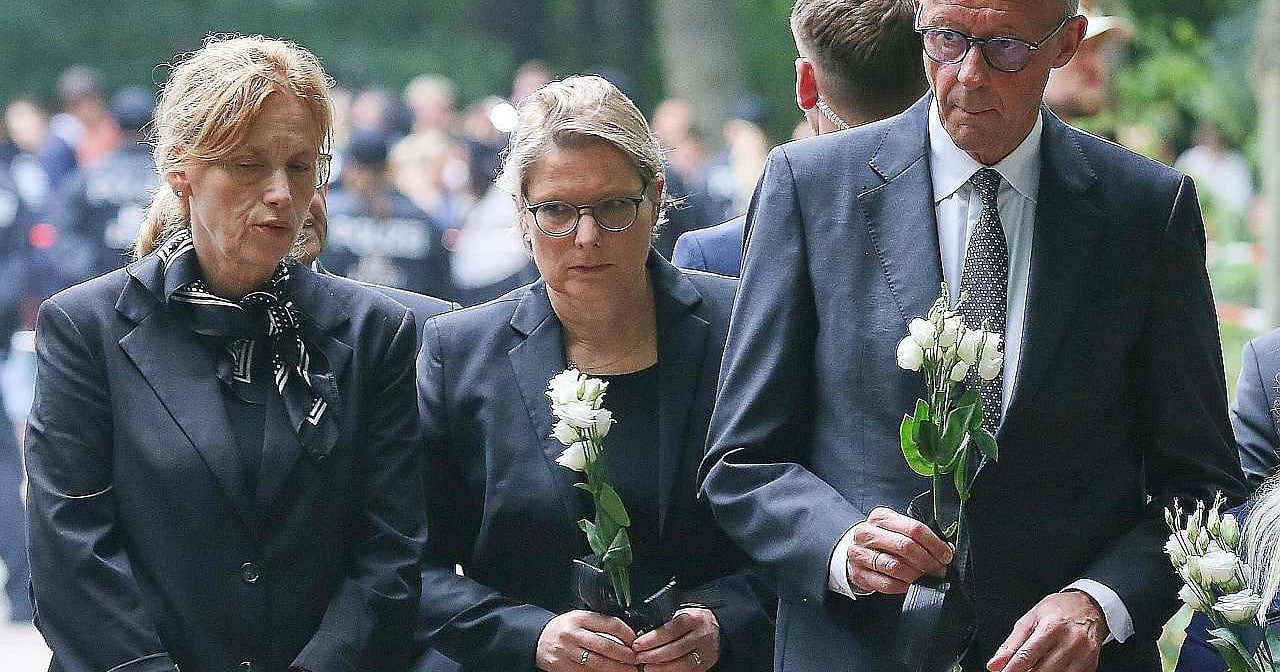
Honestly, that was clear to me even before. I attended the Sunday vigil for the victims with the Queer Commissioner Sophie Koch, and we also visited the crime scene very deliberately with the Chancellor. I have a very clear sense that queer people are attacked in the culture war and feel particularly threatened in some areas. Policy must reflect this, including protective measures. We are doing that.
The tensions around the “Democracy Lives!” program arose more from my saying that we must reach as many people as possible who risk turning away from democracy. I will stay with this new focus. But I do not overlook that minorities in certain parts of our country are under especially high pressure. We, as a state, must stand against that. There should be no ambiguity in our solidarity. Queer people in Germany can count on us to stand with them. And they can rely on that.