The U.S. Supreme Court on Tuesday upheld sweeping bans on transgender women and girls in school sports. With a conservative six-to-three majority, the justices ruled that states may tie participation in school and college athletic teams to the sex assigned at birth.
The justices rejected arguments that such exclusions violate the Equal Protection Clause of the Constitution or Title IX — the federal law prohibiting sex-based discrimination in education. The majority opinion was written by Justice Brett Kavanaugh, appointed by Donald Trump.
Supreme Court lets states ban transgender athletes from playing on girls sports teams https://t.co/2AQPuEB7jl pic.twitter.com/8Lk4QhbalF
CNN (@CNN) June 30, 2026
/ CNN
|
At the heart of the case were two lawsuits: West Virginia v. B.P.J., filed by 15-year-old high school student Becky Pepper-Jackson, and Little v. Hecox, filed by Idaho college student Lindsay Hecox. Both challenged the exclusion of female school or university teams.
Majority of States Oppose School Sports for Transgender Girls
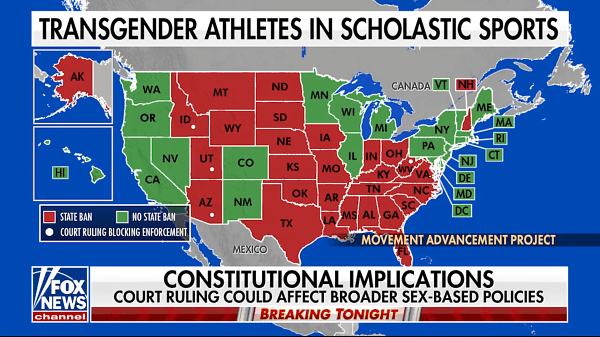
The ruling directly affects the laws in West Virginia and Idaho, but legally paves the way for similar rules across the country. At least 27 of the 50 U.S. states have already enacted laws banning or severely restricting the participation of transgender athletes in women’s and girls’ sports at schools and universities.
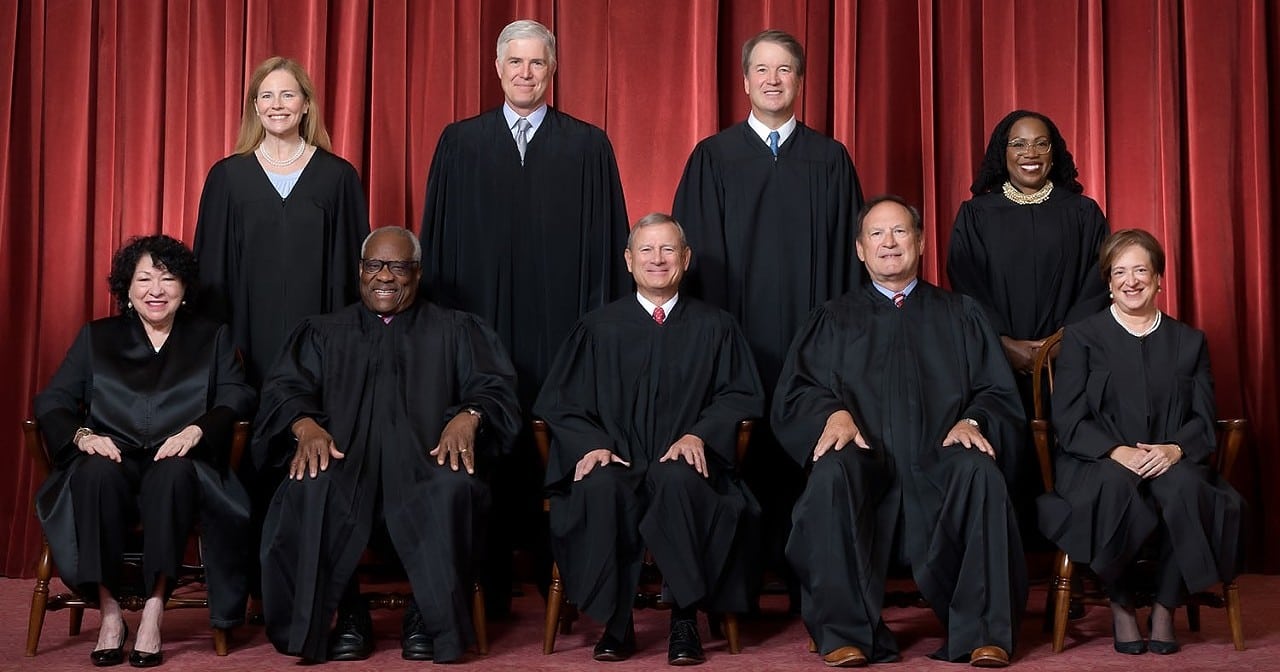
The American Supreme Court, unlike the German Federal Constitutional Court, tends to issue its decisions less on constitutional logic alone and more according to the political leanings of the lifetime-appointed justices. All six Republican-appointed justices — Clarence Thomas, John Roberts, Samuel Alito, Neil Gorsuch, Brett Kavanaugh, and Amy Coney Barrett — voted in favor of the transgender ban, while the Democratic-appointed justices — Sonia Sotomayor, Elena Kagan, and Ketanji Brown Jackson — dissented.
The ruling fits into a pattern of legal setbacks for the queer community before the Supreme Court. Last year the court upheld state bans on gender-affirming treatments for minors, and experts anticipate that with the current Republican majority, future lawsuits challenging discriminatory practices against transgender people could be dismissed at the outset.
Trump Declares Transphobia a Matter of State Policy
Since taking office in January 2025, U.S. President Trump has rolled back queer rights, including anti-discrimination protections, and amplified rhetoric against transgender people. He has even excluded them from military service. Most recently his administration asserted that, alongside cartels and Islamist terrorist groups, “pro-trans” groups could be considered a threat to national security.
Transgender athletes are routinely denigrated by conservatives and right-wing populists who claim they possess athletic advantages over cisgender competitors. There is no scientific consensus supporting such claims; in fact, a meta-analysis released earlier this year found that transgender female athletes do not have inherent, structural advantages.