Union and SPD are at odds over possible changes to the Self-Determination Law. While the CDU and CSU are insisting on restrictions to the right to change the gender marker, the SPD sees no need for changes. They point to the forthcoming evaluation of the law, saying it should be waited for. The pre-scheduled review agreed in the coalition treaty is to be completed by the end of the summer.
“The current figures confirm what we feared early on,” said Günter Krings (CDU), deputy chairman of the Union parliamentary group, to the Rheinische Post. “If the gender marker can be changed by a mere declaration at the civil registry office, without independent counseling and without evaluation, such a far-reaching step loses the weight it deserves.” In particular, children and adolescents, but also their parents, should not decide on “such a fundamental step” without professional guidance, Krings insisted.
In the past week, the Conference of State Justice Ministers, at the request of the CDU-led states Saxony, Saxony-Anhalt and Thuringia, urged the federal government to amend the Self-Determination Law to prevent “obvious cases of abuse” (TheColu.mn reported).
SPD wants to wait for the results of the evaluation
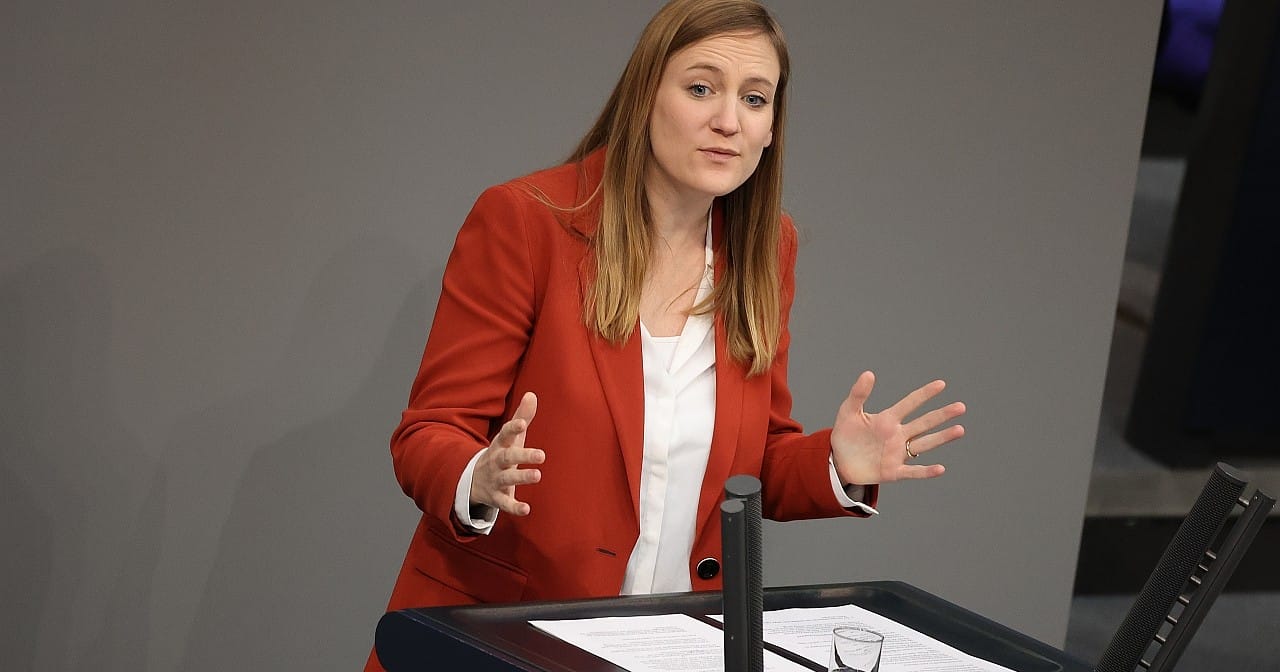
“Currently we see no reason to change the law,” said SPD legal-policy expert Carmen Wegge to the newspaper. If the official evaluation nonetheless reveals a need for changes, “we will review the results with an open mind.” Wegge interpreted the apparently high numbers of change requests as “a sign that people can shape their lives more autonomously thanks to the new Self-Determination Law.” The law is “not an expression of a culture war, but has eliminated state discrimination.”
Last year, 15,688 people had their gender marker changed in the birth registry, according to the Rheinische Post, citing current figures from the Federal Statistical Office. About 42 percent of applicants changed their entry from female to male in 2025, 27 percent from male to female. 20 percent changed their entry from female to nonbinary, nine percent changed their entry from male to nonbinary. In total, by the end of March this year, 28,364 people had changed their gender marker. The Family Ministry had originally expected only around 4,000 changes per year.
National Trans* Association not surprised by the numbers
Kalle Hümpfner of the National Trans* Association is not surprised by the numbers. “Many people have waited for years for the introduction of the Self-Determination Law to spare themselves a humiliating evaluation,” Hümpfner told the Rheinische Post. It remains to be seen at what level the changes will settle in the future.
The Self-Determination Law, which took effect in November 2024, replaced the former Transsexual Law. It significantly eased changes to the gender marker and the first name, and they are now possible by a simple declaration at the civil registry. Previously, it required lengthy and costly expert opinions. For minors under 14, parents must submit the declaration. From 14 onward, the youths can do it themselves. If the parents disagree, the approval of a family court is required. (mize/AFP)