For gay and bisexual men in Germany, June 11 is a day to celebrate: today, 32 years ago, the so-called Homosexual Paragraph 175 was finally removed from the Penal Code (StGB).
History of an Injustice Paragraph
The Paragraph 175 stood in force in various forms from 1871 until 1994. It was introduced with the founding of the German Empire. The first version stated: “The unnatural indecency, committed between persons of the male sex or between humans and animals, shall be punished with imprisonment; it may also be declared as a loss of civil rights.” By then, in several parts of Germany—such as Bavaria—the bans on same-sex activity had fallen away thanks to French influence. Unification reversed that trend.
In the empire, nearly 10,000 people were convicted under Paragraph 175, with only a small minority for sodomy. Although the provision remained in force during the Weimar Republic and led to thousands of convictions, queer life especially in Berlin flourished. Numerous attempts by liberal and left-wing parties to abolish the paragraph failed in the Reichstag.
With the rise of the Nazis, homosexuality became a life-threatening danger: in 1935 the NSDAP tightened the Paragraph. Now, ten years of imprisonment could be imposed. In 1939, the Reichsgericht also ruled that “immorality” existed even if no physical contact had occurred. It is estimated that about 100,000 men were convicted under Paragraph 175 during the Third Reich. Many gay and bisexual men were also castrated, and roughly 15,000 were sent to concentration camps.
Homosexuals did not experience liberation after 1945
After liberation, the Federal Republic of Germany kept the Nazi-era version of the Paragraph in force until 1969. There were a total of 50,000 legally binding convictions in West Germany alone. The grand coalition eventually lifted the total prohibition, but different age-of-consent limits remained in place. Gay sex was only legal from age 21, and from 1973 the age of consent for same-sex activity equalized at 21; for heterosexuals, it remained 16. In the German Democratic Republic, the prohibition of homosexuality persisted until 1968 in the pre-Nazi version. Even there, up to 1989, the protective-age rules under Paragraph 151 StGB-DDR varied—lesbian and bisexual women faced discrimination for the first time in the SED state. Only shortly before the fall of the Wall did the Volkskammer fully lift the law.
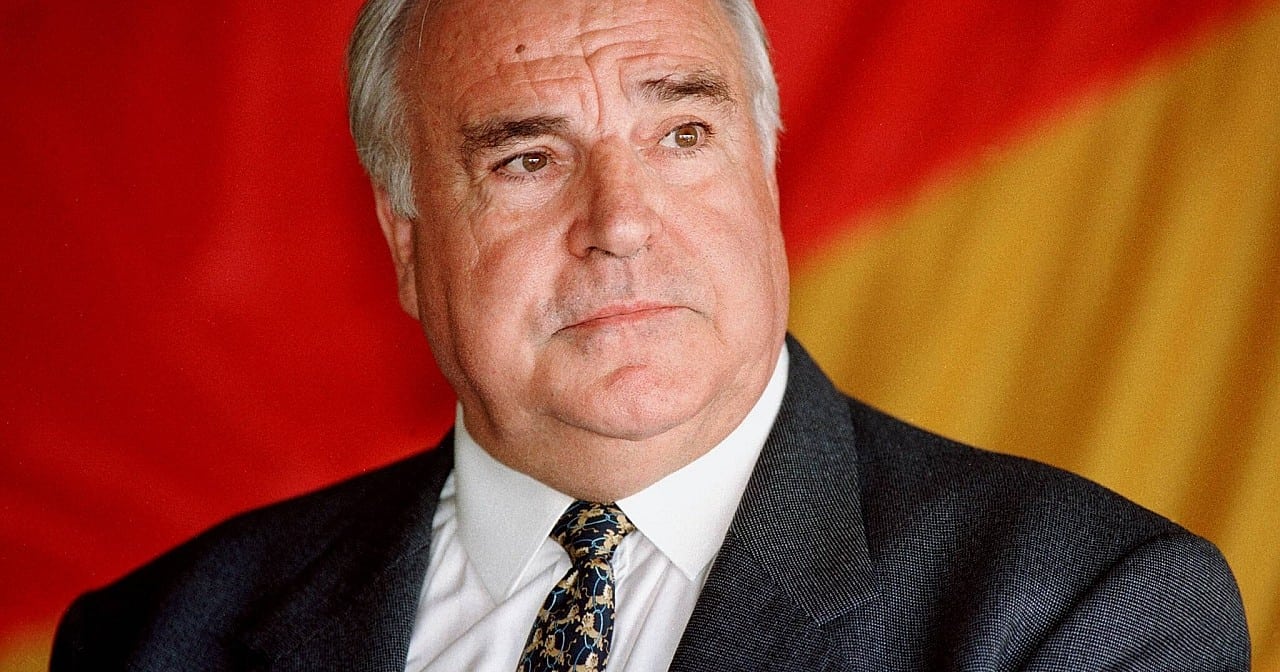
As part of the legal alignment of the two German states, the government then chose a pragmatic path. Chancellor Helmut Kohl (CDU) opted for the more progressive East German framework: on March 10, 1994, the Parliament decided to strike Paragraph 175 in the West as well, and on June 11, the “Nineteenth Penal Code Amendment Act” came into force. In the same year, however, there were still 44 convictions.
The long road to rehabilitation
Rehabilitation for the affected took a long time to arrive. In a first step, the Bundestag on May 17, 2002, declared the convictions from the Nazi era null and void, incidentally against the votes of CDU/CSU and FDP.
The rehabilitation and compensation of those convicted after 1945 for state-sponsored persecution of homosexuality only occurred in 2017, this time by unanimous vote. Much remains unaddressed, however, regarding the persecution and discrimination of lesbians as well as intersex and transgender people in Germany. Victims of medical coercive treatments and sterilizations have thus far not qualified for compensation.