The new study from GLAAD paints a markedly tougher picture of the online environment for queer people. According to the sixth Social Media Safety Index, released last week, major American platforms like Meta, X, and YouTube are posting historic lows in protecting queer users.
The annual survey, published since 2021, evaluates key platforms on criteria such as safety, privacy, and freedom of expression. In 2026 the results are particularly negative: nearly all services worsen relative to the previous year, while anti-queer hate speech, harassment, and disinformation continue to rise.
X is last
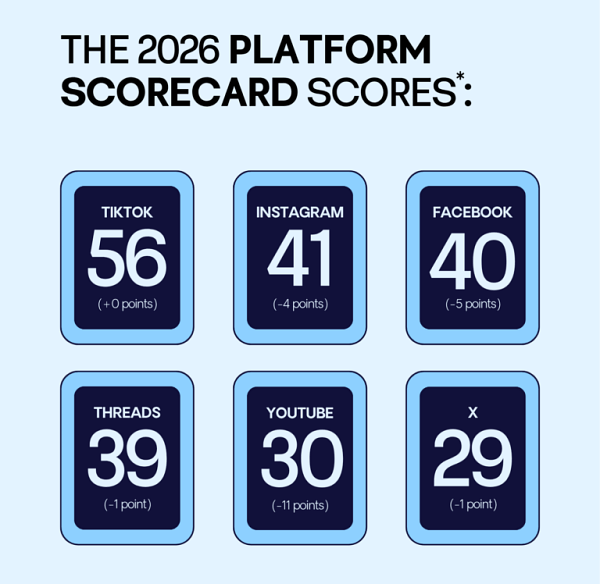
Exceedingly stark: X, formerly Twitter, finishes last with only 29 out of 100 points, closely followed by Google’s YouTube (30 points). Meta’s offerings — Facebook, Instagram, and Threads — are just ahead — all platforms declined compared with the previous year, with YouTube dropping by eleven points. Only the Chinese platform TikTok remains steady, but at 56 out of 100 points it is hardly a model of safety. Real safety cannot be claimed on that platform either.
Gap Between Rules and Reality
GLAAD criticizes especially a growing gap between official community guidelines and the actual experiences of queer users. Despite existing rules, hate and attacks are often insufficiently moderated. A central accusation: platforms have weakened safety mechanisms, reduced transparency, and rolled back diversity programs in recent years. The main reason cited is pressure from the Trump administration, which has pursued anti-“woke” content in the media and recently threatened to revoke licenses from allegedly LGBTQ-friendly TV outlets (TheColu.mn reported).
The study highlights that transgender and nonbinary people bear the brunt of this shift. Political attacks and disinformation are amplified online — while protection under platform policies is simultaneously declining.
GLAAD calls for, among other things, tighter moderation, greater transparency in decision-making, and a consistent shield against targeted harassment. Moreover, queer content should be better protected rather than further restricted by measures like overblocking — the automated hiding of queer content. Queer creators should be able to complain about these practices, GLAAD emphasizes — and advertisers should rethink advertising in such an environment.
“When GLAAD began evaluating social media platforms as part of our Social Media Safety Index (SMSI), we expected low results,” said GLAAD President and CEO Sarah Kate Ellis. “The widespread censorship of LGBTQ creators, the ongoing privacy threats to our community, and the spread of anti-LGBTQ content and behavior made for a poor start almost inevitable.” However, GLAAD did not anticipate the numbers worsening since then. The deficiencies cited are “systemic failures, which the tech giants have the tools to fix, yet instead choose to profit from.”