The U.S. federal communications regulator, the Federal Communications Commission (FCC), has opened a new review of the TV rating system — drawing sharp criticism from the LGBTQ+ community.
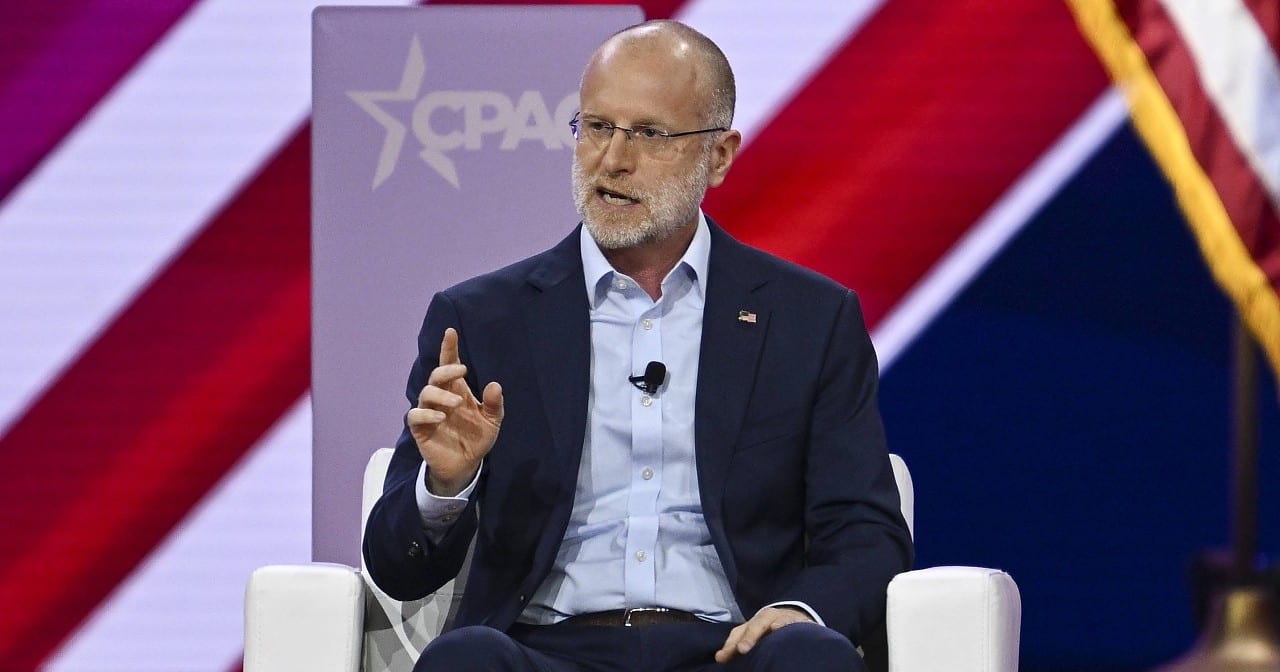
Specifically, in a public comment process overseen by its chair, Brendan Carr, the agency is asking whether programs featuring “gender identity topics” should be rated differently or carry additional warnings. The question on the table includes whether content depicting transgender or nonbinary characters should be more clearly labeled or rated higher, even in formats marketed as family-friendly.
Background: In the United States there is no government-mixed rating system for TV content. Instead, the industry relies on a voluntary system from the 1990s, which, however, operates under FCC oversight. The FCC can apply pressure and prompt rules, even if it does not itself set every rating.
Today’s TV in the U.S. shows the age rating in the upper-left corner for each program — parents can set their TVs so that their children do not see shows for older audiences. TV-G means suitable for all ages, TV-14 is recommended for viewers 14 and up, and TV-MA indicates content intended for adults 17 and older. In addition, there are content warnings V (Violence), S (Sex), L (Language), or D (Suggestive Dialogue). In the past, Christian Action Network and other Christian-evangelical groups also pressed for a warning labeled H — for homosexuality — but this was never adopted.
Direct link
|
GLAAD: Seeing queer people does not harm children
The LGBTQ advocacy group GLAAD warns that the initiative could specifically stigmatize queer content. They see the danger that queer topics would be portrayed as inherently “problematic” for children — thus conveying a political message. “Parents should definitely be able to decide what their children watch, and parents already know that there is no harm in seeing a queer person on television or in real life,” said GLAAD president Sarah Kate Ellis. “What actually harms is government overreach.”
Still, this is only a review process: the FCC is collecting public comments, and there are no concrete new rules yet. Yet activists are sounding alarms, because the framing already appears to target trans content quite narrowly and, in their view, signals a broader culture war over media. GLAAD is therefore urging participation in the consultation — and to reject the plans as an attack on free speech and queer visibility.
FCC threatens license revocation for negative coverage
Under Trump, the once neutral FCC became a partisan body over the past year, using the threat of pulling licenses to punish government criticism. FCC chief Carr announced last fall that the Disney-owned ABC network could lose its license after its late-night program “Jimmy Kimmel Live” criticized the administration. Specifically, comedian Jimmy Kimmel accused the Trump administration of capitalizing on the murder of the right-wing extremist Charlie Kirk. According to Carr, such accusations are not in the public interest. The FCC’s pressure led to a temporary take-down of the show; it has since returned to the air. There are also reports that the FCC now treats complaints from conservative groups more favorably.
Carr is widely seen as a close ally of Trump and a co-author of the conservative “Project 2025,” a detailed plan for a Republican president to consolidate power and roll back rights for LGBTQ+ people and transgender individuals. “Project 2025” is said to propose classifying any coverage of trans topics as pornography in order to restrict its distribution.