Every eighth person in Germany has experienced discrimination within a year. According to a representative study, people who face unfair, unequal treatment are frequently confronted in places where they are customers—such as while shopping, at the bank, in a restaurant, or at the entrance to a club. These findings come from the Socio-Economic Panel (SOEP), a nationally representative longitudinal study hosted by the German Institute for Economic Research, with roughly 30,000 participants nationwide each year. The study “How Germany Experiences Discrimination” (PDF) was presented on Tuesday by the Federal Anti-Discrimination Agency in Berlin.
The survey participants were asked whether, and if so where, they had experienced discrimination in the preceding twelve months. They were also asked to assess what they believed to be the underlying cause of the unequal treatment.
The study’s authors point out that the reported discrimination experiences refer to the period from May 2021 to January 2023, a time when life in Germany was heavily shaped by COVID-19-related restrictions.
Ataman: A Stress Test for Germany
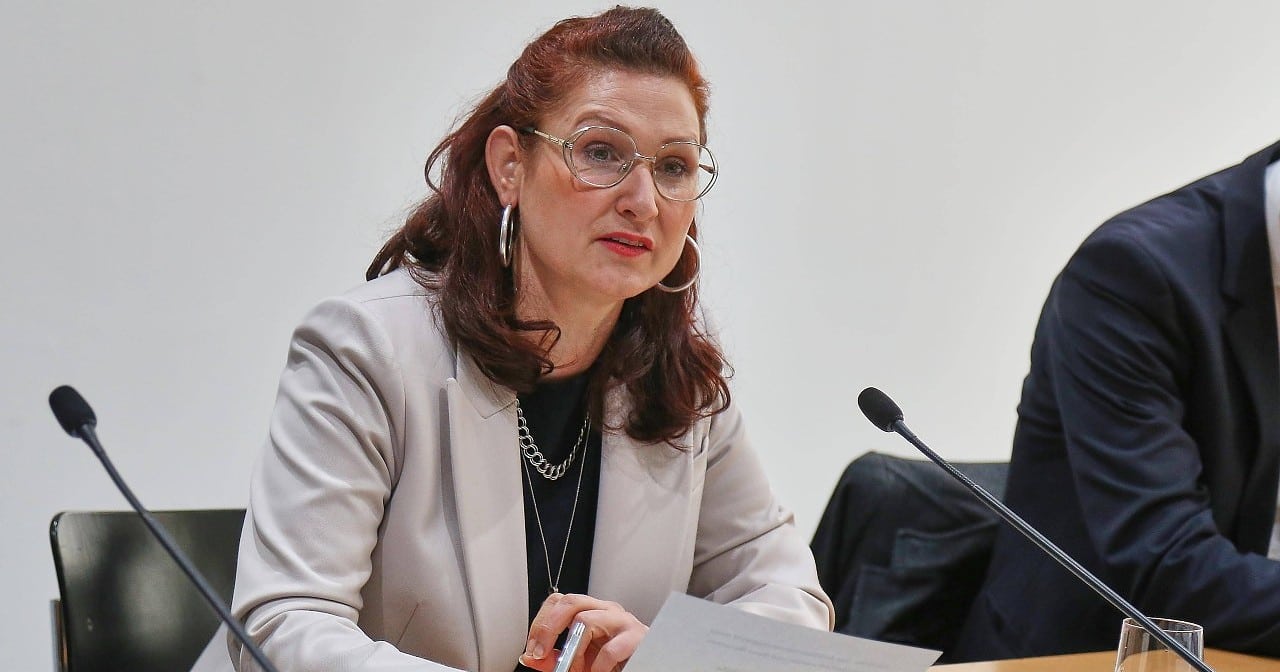
According to the findings, 13.1 percent of people reported having experienced discrimination in the past twelve months. Ferda Ataman, the Independent Federal Commissioner for Anti-Discrimination, shares a telling anecdote of a woman who felt discriminated against in a supermarket after a store employee searched her stroller for no clear reason and justified it by saying: “Sorry, but someone like you recently stole here, so I have to be careful.”
The commissioner describes a society in which nine million people feel like second-class citizens as “unstable and vulnerable.” The study links discrimination to a range of consequences, including lower life satisfaction, worse health, psychological strain, and eroded trust in the state. “Discrimination is not a fringe issue; it is a core problem. The scale of discrimination is a burden on our country,” the 46-year-old asserted.
Ataman was elected in July 2022 by the Bundestag (Germany’s federal parliament) for a five-year term as Federal Commissioner for Anti-Discrimination, in the face of strong opposition from the far-right party AfD and parts of the CDU/CSU. Under Germany’s General Equal Treatment Act (AGG), a single reappointment is possible.
Racist Grounds
When asked what characteristics people felt were behind the discrimination, respondents most frequently named their ethnic origin or race (41.9 percent). Appearance was cited by more than a quarter of those affected (25.9 percent). Discrimination tied to gender or gender identity was reported by 23.8 percent, and 13.9 percent identified disability or a chronic illness as the reason.
Muslim respondents reported discrimination at a notably higher rate—28.6 percent in the past year, compared with 10.4 percent among non-Muslims. A particularly high share of Muslims experiencing discrimination were Muslim women who wear head coverings; more than 38 percent of women in this group reported being discriminated against within the year.
LGBTQ+-related reasons
According to the study, gender minorities also face disproportionately high discrimination. About 31.8 percent of transgender, intersex, and nonbinary individuals reported discrimination in the past year. Among bisexual and gay people the figure was 16.0 percent, while heterosexual individuals reported 9.4 percent.
Laws and institutions aside, the study found that 40.7 percent of respondents with discrimination experience cited “goods and services” as a life sphere where discrimination occurred. A similarly high share, 39.2 percent, pointed to discrimination in the workplace. Street life was the site of discrimination for 41.5 percent, while public transportation saw 20.6 percent of those affected reporting discriminatory experiences. Eighteen point five percent (19.5 percent) of those who felt discriminated against said they faced such treatment when dealing with offices, authorities, and the police.
How do those affected respond?
The majority of people experiencing discrimination in Germany do not take action, the study found—56 percent. Nearly 30 percent said they confronted the person or the institution involved. Official complaints were filed by 8.1 percent of those who felt discriminated against.
Roughly one in ten (9.8 percent) of those affected sought information about legal options on their own. Legal advice was utilized by 5.7 percent, and only 2.6 percent ultimately took legal action. Younger people, in particular, were less likely to pursue a legal remedy, according to the data.
Reliable data, and a time factor
The SOEP is among the most reliable and comprehensive sources for social-science research in Germany. With an annual sample of about 30,000 people and repeated interviews of the same individuals or households over multiple years, it enables insights into long-term trends. The data-processing steps—weighting, plausibility checks, and cross-referencing with other data sources—mean that the findings are published with a delay.