Hundreds of people have changed their gender marker in Lower Saxony since the Self-Determination Act took effect just over a year ago. In Salzgitter, the city says 69 individuals made the change. In Gottingen, 164 people did so. Seventy-two residents in Wolfsburg changed their entry by the end of October this year.
The marker can be changed to “male,” “female,” or “diverse.” People can also choose the “unspecified” option in the gender entry or remove it entirely. In Hanover, 352 applications to change the gender marker were received. In Gottingen 164, in Osnabrück 124, and in Braunschweig 171. The majority of changes in the state’s large cities were from “male” to “female” and vice versa.
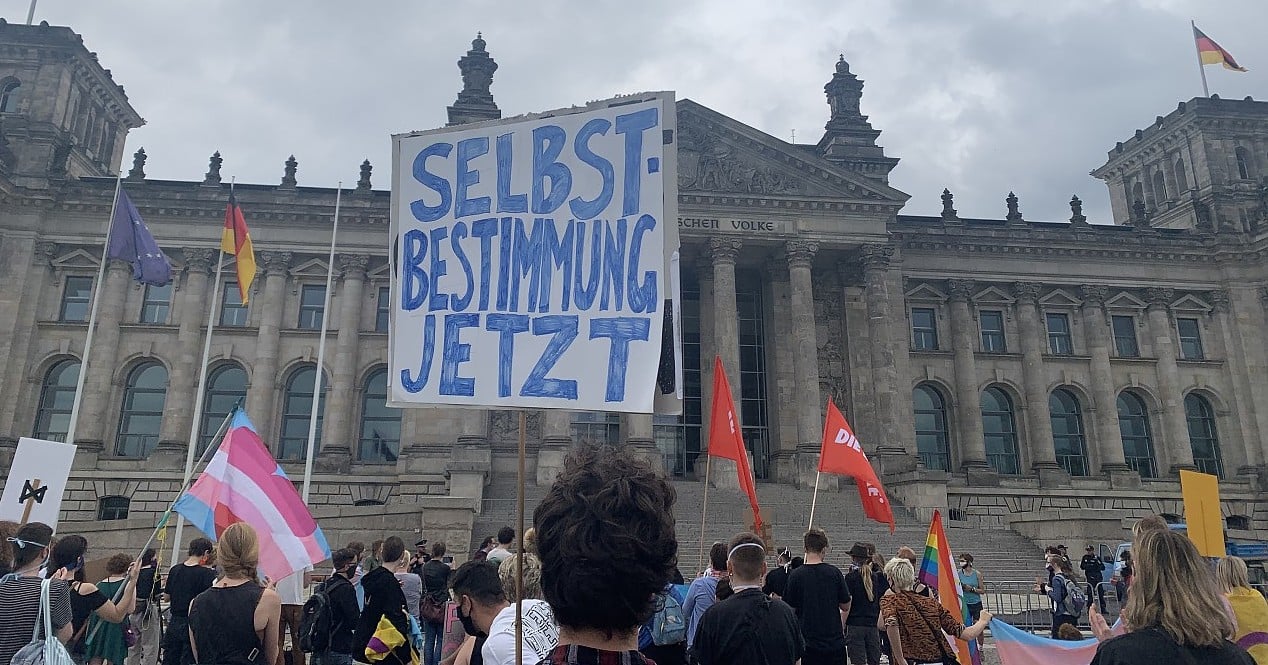
The Self-Determination Act (SBGG), which has been in effect since November 1, 2024, allows individuals to change their gender marker and first name by a declaration to the civil status registry—without assessments, medical certificates, or court orders. The relief is aimed especially at transgender, intersex, and nonbinary people. Since the law went into effect, 22,000 people nationwide have changed their entries.