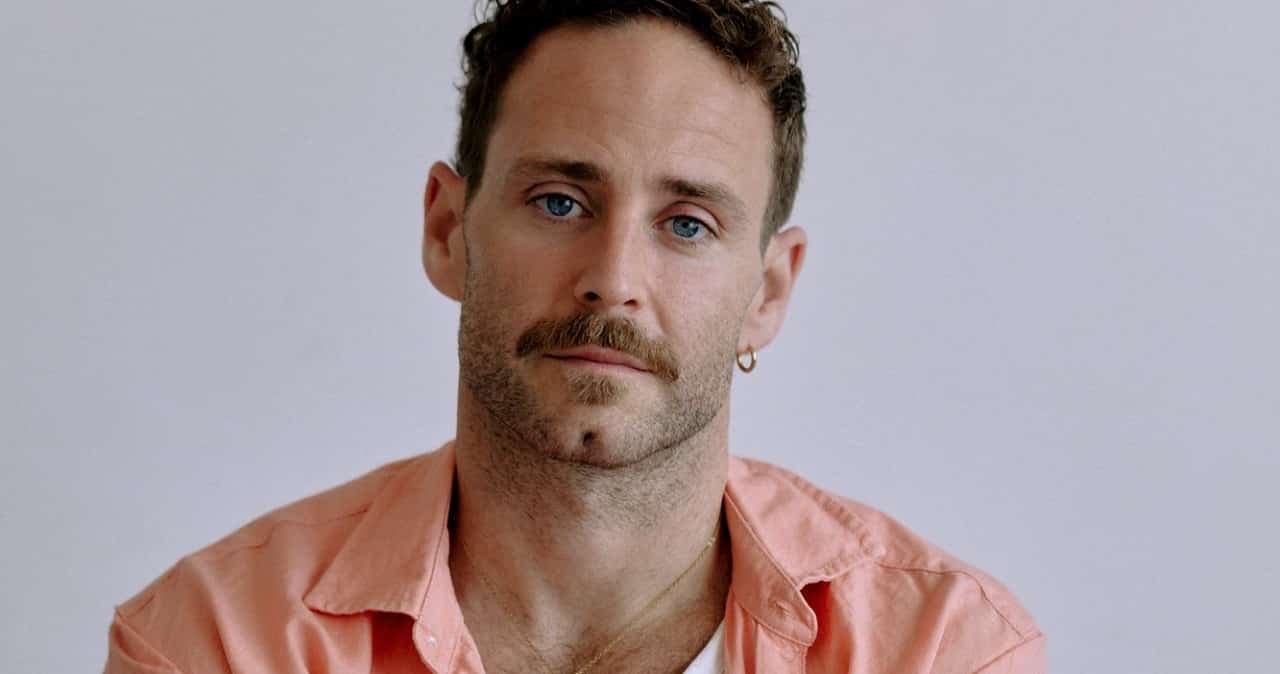
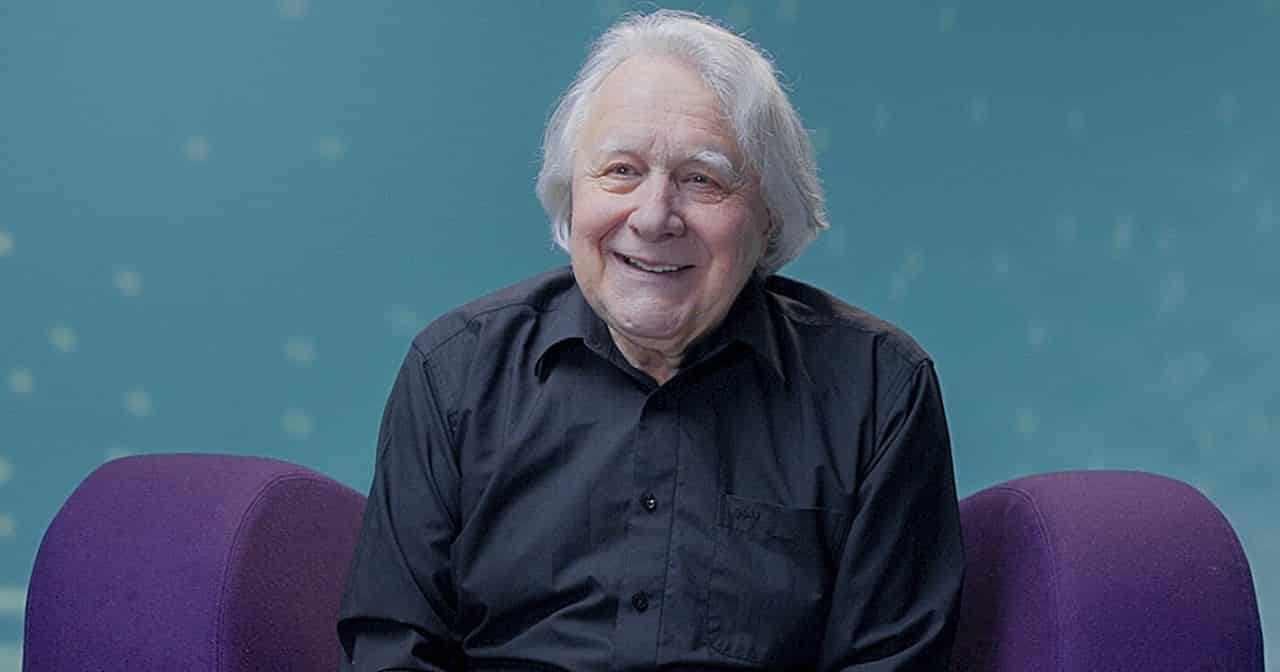
When HIV and AIDS first emerged in the early 1980s, the primary objective in those early years was to keep people alive for as long as possible. In hindsight, no one could have predicted how swiftly medical progress would unfold and that successful therapy would make a normal life imaginable even with HIV.
A HIV diagnosis used to mean facing a limited life expectancy. Today, people living with HIV can lead full and long lives thanks to effective therapies. HIV treatment has proven life-saving by effectively controlling the viral load and strengthening the immune system. It has not only markedly extended the life expectancy of people with HIV but also helped them lead vibrant, long lives.
We are now fortunate to see HIV-positive individuals aging, as half of all people living with HIV in Germany are over 50 years old.1 But how can someone age well with HIV?
Minimizing the risk of age-related diseases
An HIV infection can accelerate aging. Studies suggest that HIV is associated with a chronic inflammatory response in the body, known as inflammation.2 This ongoing inflammation can influence the development of age-related illnesses. Therefore, for people with HIV, careful and regular monitoring of relevant laboratory values during routine visits to their HIV specialist is recommended to minimize the risk of age-related conditions and maintain long-term health.
How important are preventive screenings?
Regular preventive screenings play a crucial role in preserving long-term health. They help detect potential illnesses early, ideally at a stage where they are easier to treat and, in the best case, still manageable without medications.
Some studies suggest that cancers occur more frequently and at younger ages in HIV-positive individuals compared with HIV-negative people.3 To reduce cancer risk, screenings such as mammography, colonoscopy, and anal cancer screening via anal Pap tests are recommended.
Osteoporosis (bone loss) occurs more often in women after menopause and also in older men. Therefore, it is advisable to regularly check bone density and, in consultation with an expert, consider supplements like vitamin D to support bone health. Since bone density can decline with physical inactivity, every bit of movement helps—taking the stairs instead of the elevator, for example.
Your HIV specialist can be a helpful guide on preventive care and can assess when certain screenings make sense for you.
What difference does your own lifestyle make?
Independent of preventive screenings, personal risks for age-related illnesses can be reduced through a few behavioral changes. In addition to regular exercise, it pays to stay smoke-free and maintain a normal body weight. A healthy diet also contributes significantly. In general, a mindful approach to health supports well-being and can create better conditions for aging gracefully, regardless of HIV status.
Avoiding drug interactions
Yet even with the best preventive care and the healthiest lifestyle, illnesses cannot always be prevented. Coordinating the medications for age-related conditions with HIV treatment requires careful management to prevent interactions and minimize unwanted effects. The HIV specialist or a pharmacist should be informed whenever new medications are prescribed to maintain the effectiveness of treatments and ensure they work well together.
Essentially, the same principles apply to everyone—regardless of HIV status—for maintaining long-term health. With a solid awareness of your body, along with attentiveness and self-care, aging can be approached with calm confidence.
For more information about living with HIV and personal stories from people who are HIV-positive, you can visit www.livlife.de
Supported by ViiV Healthcare
NP-DE-HVU-ADVR-240001
1 RKI Epidemiologisches Bulletin 47/2022
2 International Association of Providers of AIDS Care (IAPAC). Fact Sheet: HIV and Inflammation. 2021.
3 Deutsches Krebsforschungszentrum (DKFZ). AIDS und HIV: Steigert die Infektion das Krebsrisiko? 2016 [Available at: https://www.krebsinformationsdienst.de/vorbeugung/risiken/aids-und-krebs.php]