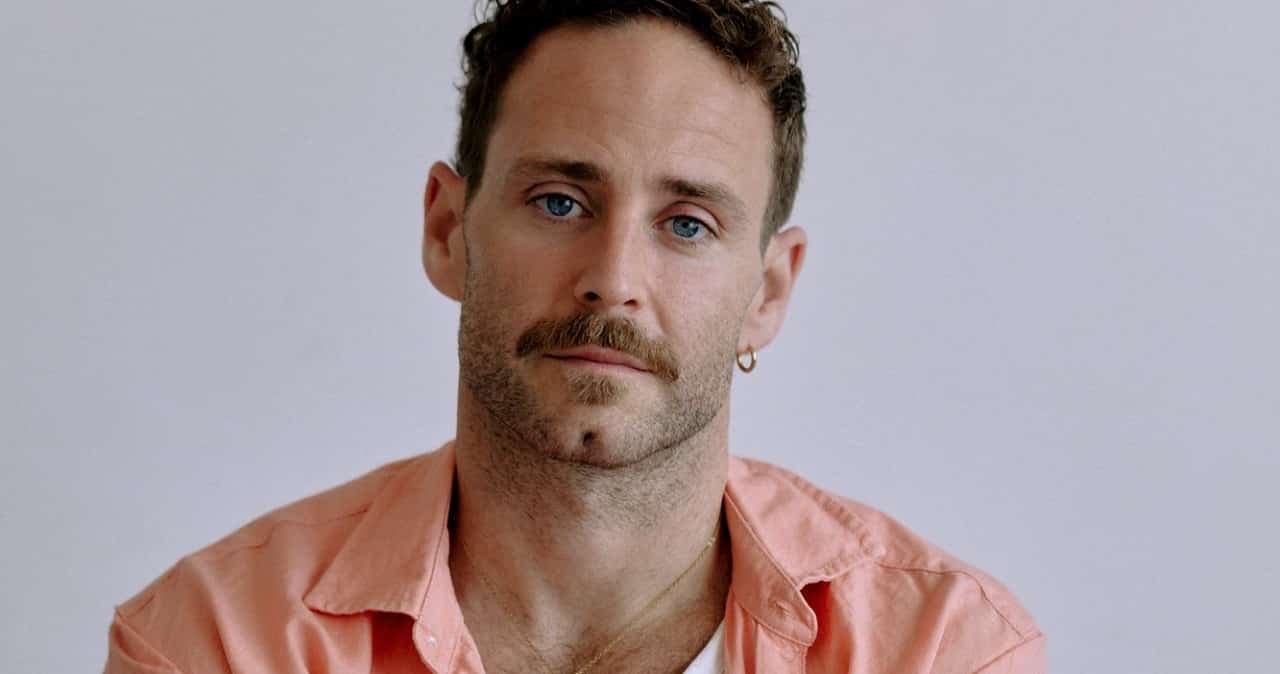
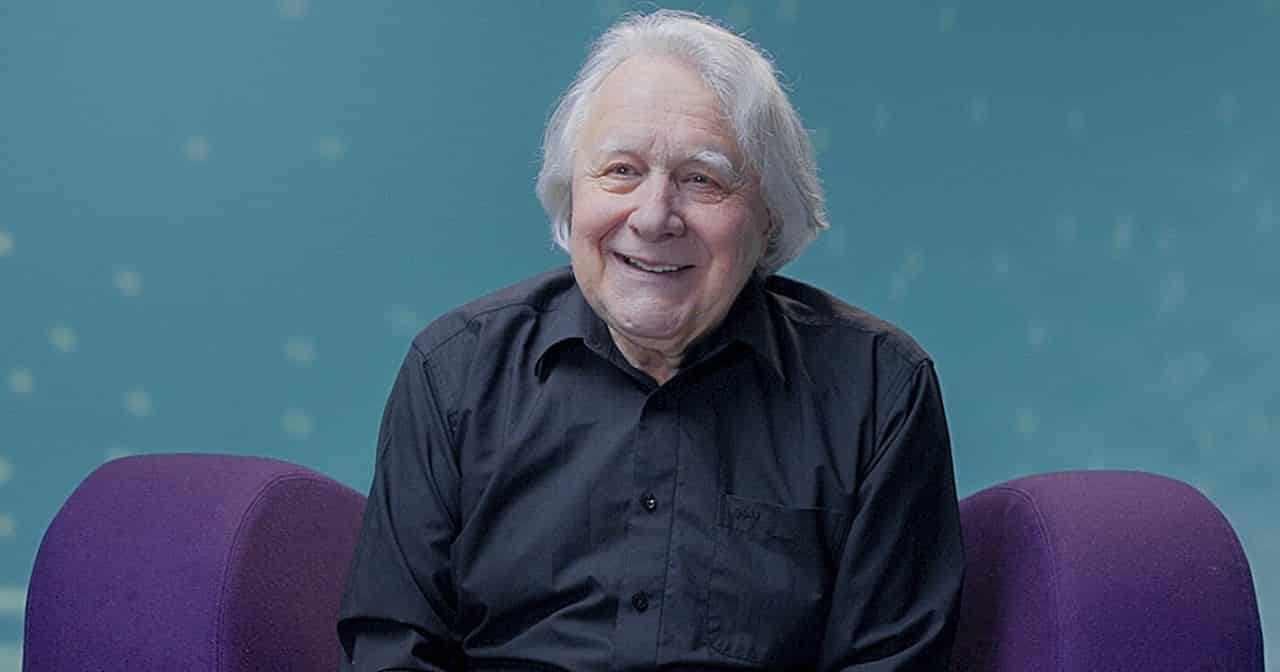
Back then he boiled with anger as he filled out the ballot; this time he appeared calm and composed: The openly gay Baden-Württemberg state parliament member Daniel Born again took part in the selection of AfD representatives to the Upper Rhine Council — the last round of voting about four months earlier had ended for him with a swastika drawn on a ballot — and a tangible parliamentary scandal.
Born gets to cast another ballot
Until the end of the legislative term, the 50-year-old lawyer remained in the state parliament as an independent member. And so on Thursday he was again allowed to cast his ballot — this time in the vote for AfD politicians to the Upper Rhine Council. In good spirits, Born stood at the ballot box with the president of the state parliament, Muhterem Aras (Greens). For the eleventh time, the AfD submitted candidates — and for the eleventh time the other factions rejected them. Born probably voted against the AfD candidates again — this time most likely with a normal ballot mark.
AfD fails again in elections
On Thursday, the AfD failed not only again in its attempt to be seated on the Upper Rhine Council but also in the election of representatives to the board of the State Center for Political Education. According to the parliament, it was already the 15th attempt by the party in this legislative term.
The State Center for Political Education is a public-law institution housed at the state parliament. Its board is meant to safeguard the center’s nonpartisan status. It meets several times a year and consists of about two dozen members, mostly drawn from the state parliament. The factions are represented on the board in proportion to their strength. Accordingly, the AfD would have two seats. The AfD had already filed a lawsuit with the state’s Constitutional Court against the repeated rejection of its candidates, but it remained unsuccessful.
The Upper Rhine Council is understood as a trinational parliament for the Upper Rhine region. In that body sit representatives from Germany, France, and Switzerland. The council meets twice a year and drafts resolutions on cross-border topics.