Anger, fear, shame, guilt, envy: feelings that are experienced as disruptive are today quickly treated as a problem. They should be regulated, therapy pursued, and ideally removed from one’s life as efficiently as possible. But what if the difficulty lies less in the feelings themselves than in the uptight way we handle them?
This question is explored by psychiatrist, psychotherapist, and essayist Jan Kalbitzer in his book “Uncomfortable Feelings.” He blends clinical experience with social analysis and engages with the pressure to constantly optimize oneself. In doing so, he challenges the notion that mental health can be measured by how smoothly a person functions.
Take Feelings Seriously, Without Being Ruled by Them
Political anger, digital outrage, parental overwhelm, and male shame are among the topics just as much as the strain of multiple crises and relentless performance pressure. Kalbitzer also views these phenomena as expressions of a societal approach to emotions, which he characterizes as emotionally incompetent.
Kalbitzer argues for a sovereign engagement with one’s own feelings. Even uncomfortable emotions should be taken seriously, without surrendering to them. His book thus also asks what ideas about mental health shape social living and what space contradictory or burdensome emotions have within it.
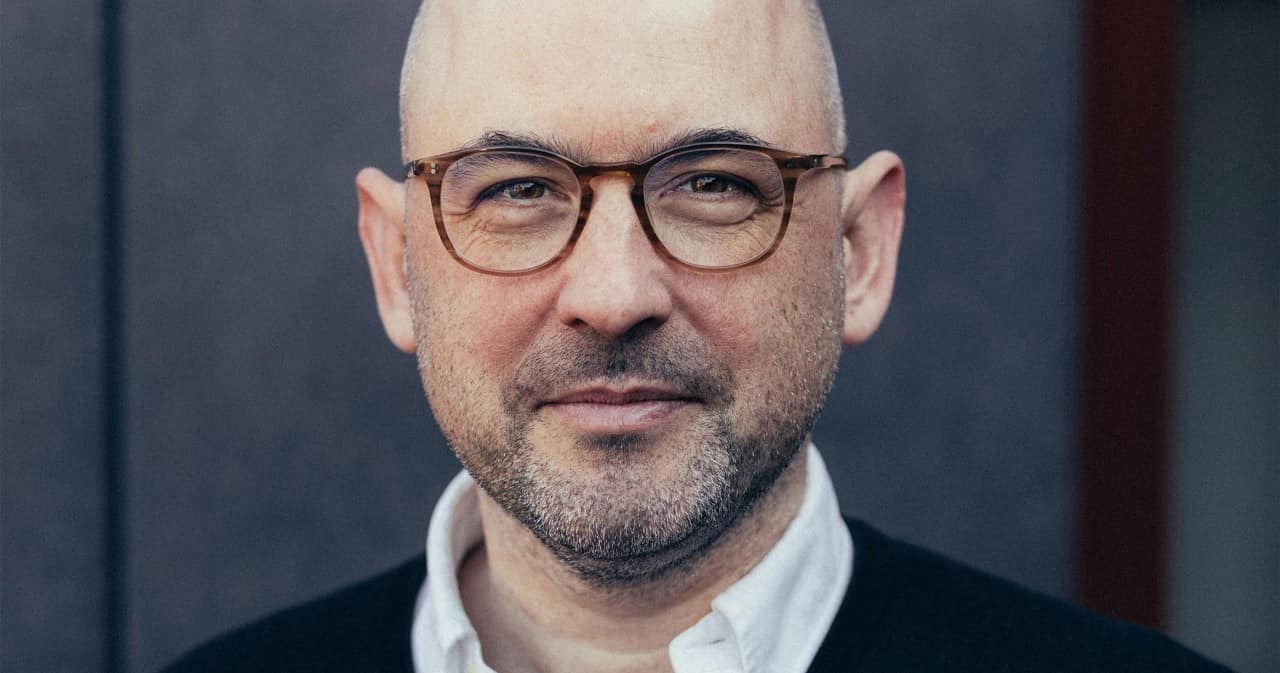
Born in 1978, Kalbitzer is a specialist in psychiatry and psychotherapy. He leads the Center for Mental Health in Braunschweig and runs a practice in Berlin. Previously, he headed the stress medicine department at the Oberberg Clinics and spent ten years at the Charité in Berlin, where he studied the effects of digitalization on mental health.
Kalbitzer studied medicine and philosophy in Freiburg, Hannover, and Haifa, earned his PhD in Copenhagen, and conducted research in Oxford. His books include “Digital Paranoia” (2016), “The Gift of Mortality” (2018), “Crisis as a Fresh Start” (2020), and “Uncomfortable Feelings” (Amazon Affiliate Link).
His essays have appeared in publications such as Der Spiegel, Die Zeit, Süddeutsche Zeitung, and Die Frankfurter Allgemeine Zeitung, as well as on Deutschlandfunk Kultur. Kalbitzer lives in Berlin with his family. (dd/pm)