A single sentence can end political careers—and write history. And usually the person involved senses the impact only in hindsight.
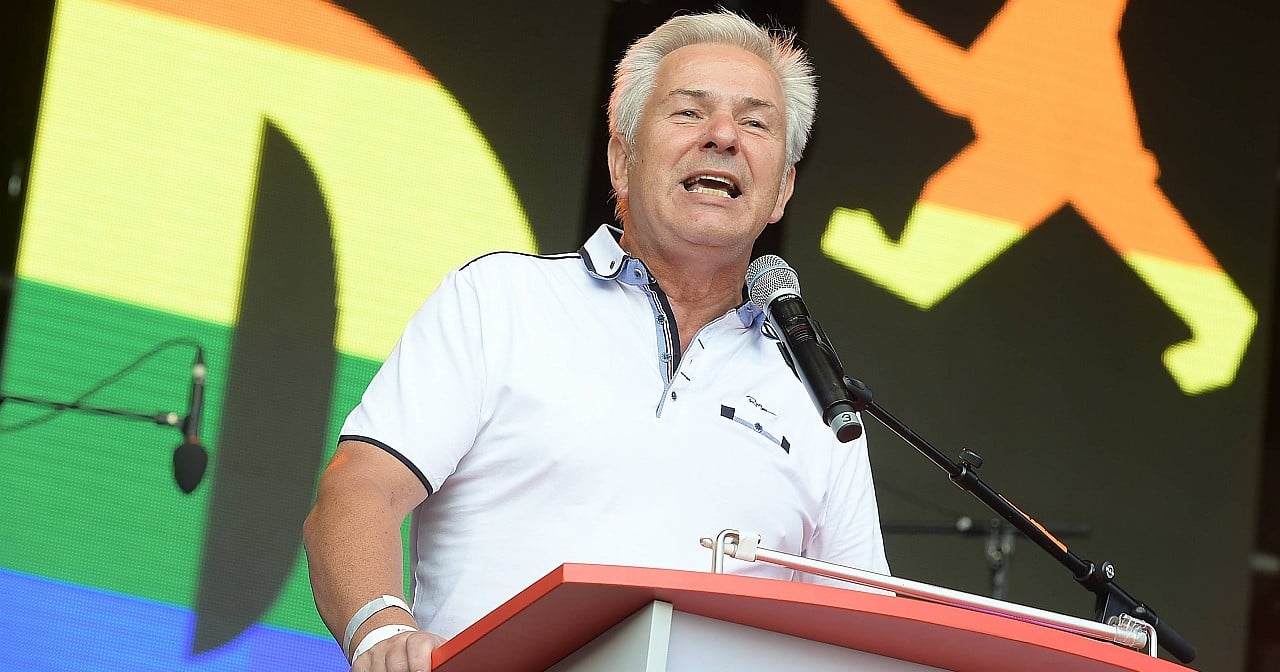
When on June 10, 2001 the SPD politician Klaus Wowereit, then relatively unknown in his home city of Berlin, stepped to the podium at a party conference, he could not have known that the final line of his speech would make him famous far beyond Germany—and that it would have political and social consequences for years to come.
“To avoid any confusion, dear comrades, I’ll tell you now, for those who didn’t know yet,” Wowereit began his bid speech for the mayoral candidacy. Then he raised his voice and the sentence followed: “I’m gay, and that’s a good thing, dear comrades.”
That was a different era back then
Wowereit knew that his sexual orientation was already known in parts of the SPD, the media, and the gay scene. His advisers had warned him against making it public at the party conference, he says in an interview. “That was a different time, when people said: If anything, please don’t talk about it.”
Then he heard that there were people actively looking for negative stories about him. “You don’t have to justify yourself for that. There’s nothing wrong—and it’s good that way. That sentence came spontaneously; it wasn’t prepared and wasn’t in the manuscript.”
The deeper meaning of the sentence only became clear to him later. The coming out of a prominent politician shifted the boundaries of what could be said. Suddenly there was a sitting mayor who was not only accepted, but who was perceived as authentic precisely because of his openness.
A Moment of Empowerment
For many lesbians and gays—or their families—the sentence sent a powerful signal. He has recalled receiving many letters since. Berlin’s queer commissioner Alfonso Pantisano stresses: “For me it was a moment of empowerment: it showed me that from hurt comes stance, from visibility political strength, and from a gay life public responsibility. I am grateful to Klaus Wowereit to this day.”
It was the first time a top German politician openly spoke about his homosexuality—boldly, confidently, and without any apology. Twenty-five years later, that sentence is regarded as a turning point in how German society perceives homosexuality.
The LSVD+ — Association of Queer Diversity — describes it as: “Wowereit’s coming out was a historic rupture—in a time when homosexuality was legal but still socially taboo.”
After Wowereit came Westerwelle and von Beust
Gay top politicians existed long before 2001 as well. But the political climate was different; in top positions the topic remained unsaid. Only in the years after Wowereit’s announcement did politicians from more conservative parties follow, such as FDP leader Guido Westerwelle and Hamburg’s CDU mayor Ole von Beust.
In business and professional sports, the barriers remain higher to this day. In 2014 former professional footballer Thomas Hitzlsperger came out, and in 2024 former racing driver Ralf Schumacher did so—both after their sports careers had ended.
In the meantime, many things now seem routine. The “marriage for all” was enacted in 2017. Openly queer politicians are no longer rare. Companies advertise with diversity. What once took courage now often appears as normal to many people.
More attacks on queer people in statistics
Yet this impression is misleading. While legal equality has been achieved in many areas and Pride parades with tens of thousands of participants march through cities, societal acceptance remains fragile. Studies and police statistics have shown for years that assaults on queer people are rising in many regions. There are insults, threats, physical violence—often in public spaces. The tone is particularly sharpened on the internet.
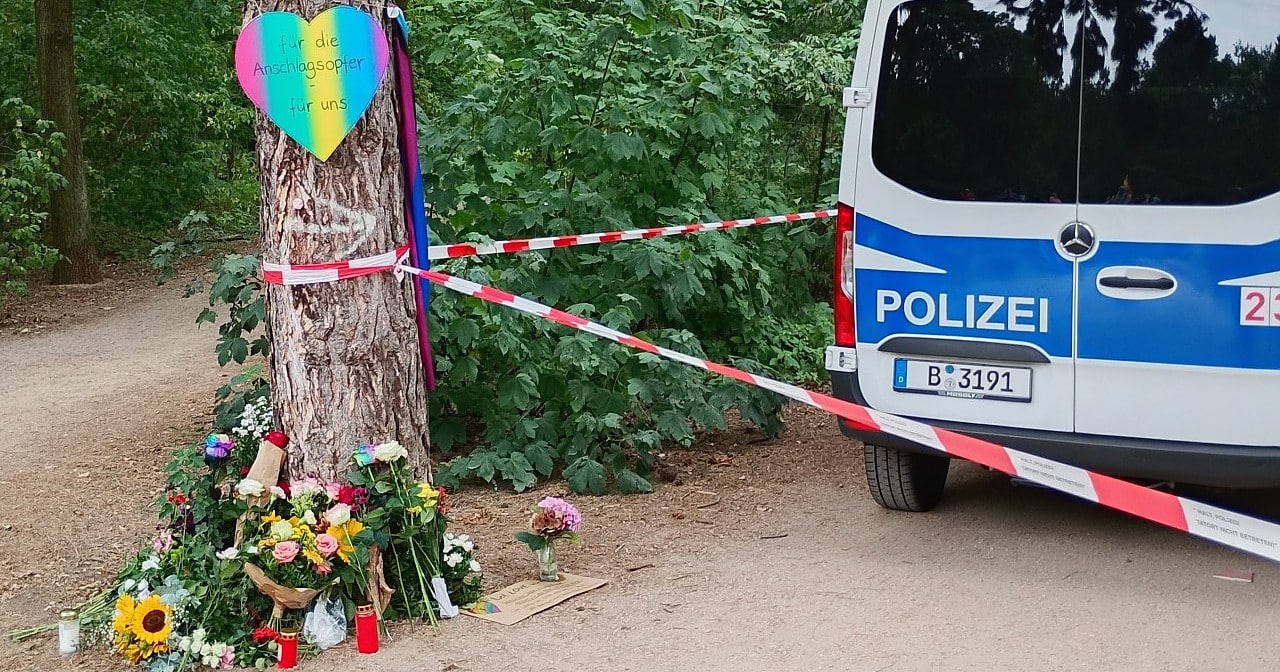
Last year Maneo, Berlin’s counseling center, counted 723 cases or reports of hostility against gay men, lesbian women, and other sexual minorities. 165 of these incidents occurred on streets, in buses, trains, and at stations. In addition, there were cases online, at home, at the workplace, and in schools.
Minorities increasingly targets of extremist campaigns
Germany’s federal government’s LGBTQ commissioner, Sophie Koch, explains that homosexuality and bisexuality are now far more socially accepted, while nonbinary and trans people continue to face heavy rejection. Minorities are increasingly the subject of political and societal controversy and the target of extremist campaigns.
Wowereit likewise says it is highly worrying that the insecurities of some people are being politically instrumentalized by certain parties. Everyday life includes homophobic taunts on schoolyards and in sports venues. “If that kind of climate exists in locker rooms and club life, it affects young people, and something is going wrong.”
Added to this are cultural and religious influences in social groups where intolerance remains anchored. “When certain religions openly preach against homosexuality, don’t be surprised if young men adopt that attitude,” he explains.
Wowereit’s famous sentence remains, 25 years later, a moment when being gay became visible and political. Yet prevention of homophobia remains urgently necessary, he says today. The majority society as a whole is called upon and bears responsibility to “create an environment where discrimination has no place.”