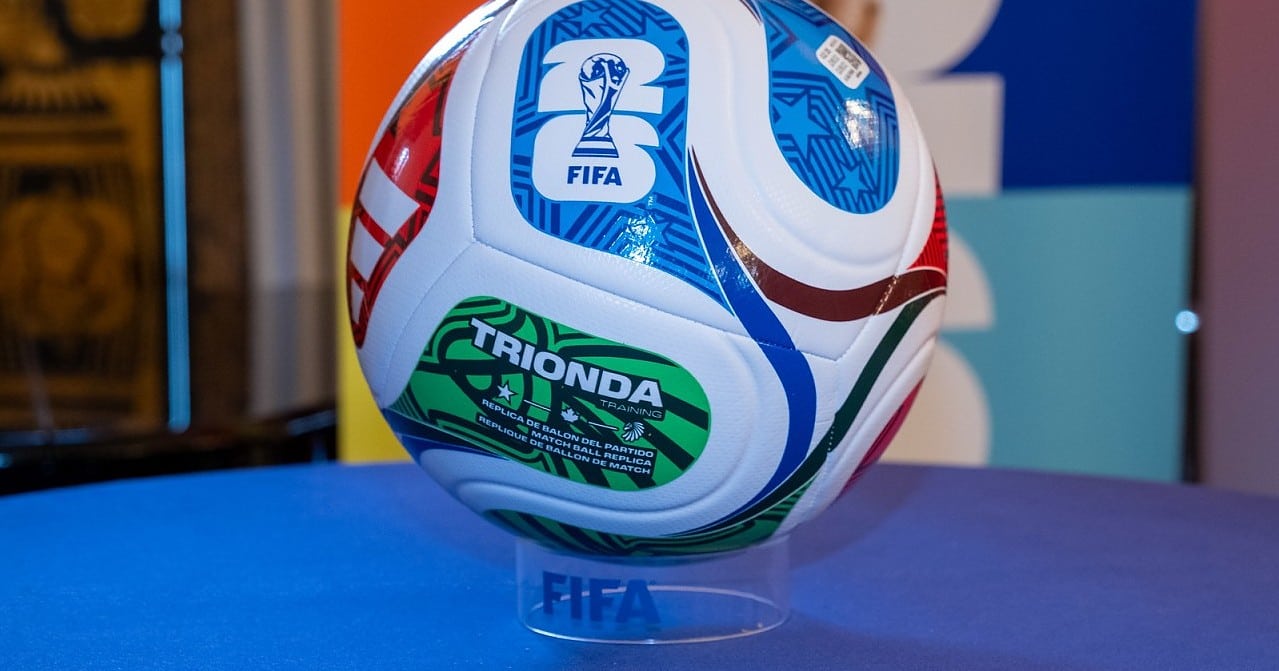
On June 11, 2026, the FIFA World Cup will begin — cohosted by the United States, Canada, and Mexico, spread across 16 host cities. For many soccer fans, it is the biggest sporting festival of the decade. For queer people, a pressing question arises: How safe is this tournament really?
The situation in the three host nations
Legally, there are large differences between the countries. Canada is highly progressive when it comes to LGBTQ rights. Same-sex marriage has been legal nationwide since 2005, and anti-discrimination protections are enshrined across the country.
Mexico has made progress on paper. In all states, same-sex marriage is legally possible. In practice, however, queer people—especially transgender individuals—experience everyday violence. Human rights organizations note that state authorities prosecute these assaults far too infrequently and inconsistently.
The United States presents a particularly tangled picture. State laws vary widely, yet since the era of Donald Trump the political climate for queer people has noticeably deteriorated. Numerous executive actions have targeted trans rights, including restrictions on gender-affirming medical care for minors. In the Spartacus Gay Travel Index, the United States slipped from 41st place in 2024 to 48th in 2025.
Travel warnings and queer boycott calls
These developments have concrete consequences for the tournament. Three Lions Pride, the official LGBT supporters’ group for the English national team, has announced it will not bring a visible presence to the 2026 World Cup. In their statement they described it as a “dangerous rollback of human rights” in the United States.
The Queer Football Fanclubs (QFF) and Football Supporters Europe likewise urge their members to reconsider travel plans. QFF spokesperson Sven Kistner publicly stated that there are “serious concerns about the safety of queer people traveling to the United States.” On top of that, travel bans and intensified visa checks could affect international fans, and FIFA has not yet offered clear protections or guarantees.
Those who still want to follow the World Cup closely, whether as visitors or from home, can engage with the event on a sporting level as well. With the betting odds boost from MERKUR BETS, fans can place forecasts on World Cup games with enhanced odds, adding a unique intensity to the tournament experience.
A tournament with two faces
Despite these concerns, there are voices of optimism. Pride House International plans to establish safe spaces for queer fans, athletes, and allies in all 16 host cities, creating networks and safe gathering spots for交流 and shared experiences. American soccer player Collin Martin, the only openly gay active player in U.S. men’s soccer, hopes for a World Cup that is more open and inclusive than any before it.
This is a two-sided picture. The 2026 World Cup has the potential to boost visibility and spark debates. At the same time, it unfolds in a political environment that places queer people at real risk. Whether the tournament ultimately represents an opportunity or a threat to LGBTQ rights will depend on how FIFA, the host cities, and civil society work together.
The 2026 World Cup is not a politically neutral event, and it never has been. For queer people, there is more at stake than a football score. The coming months will reveal whether the promise of an open, inclusive World Cup will be fulfilled or remain only on paper.