For two decades, the Hamburg Stolperstein Initiative has been researching the life stories of people who were persecuted, deported, and murdered under the Nazi regime. Their aim: to assign a full biography to a name once again.
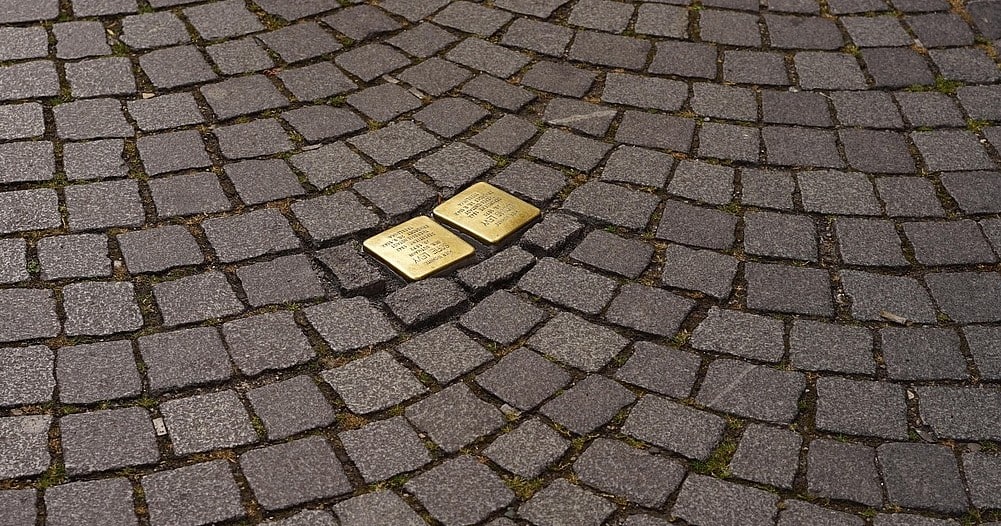
A working group of historians publishes these biographies online and in books. Stones embedded in sidewalks in front of the former homes of the persecuted draw attention to their fates. Now the initiative is celebrating the 20-year anniversary of its biographical research with a public, free event. At the Art Clinic in Hamburg-Eppendorf, this Wednesday evening the work of the Stolperstein Association, the beginnings of biographical research, and new life stories will be presented.
The biographical research was initiated by Rita Bake, then deputy director of the Hamburg Office for Civic Education, and Beate Meyer, then a research associate at the Institute for the History of the German Jews in Hamburg. Together with interested amateur researchers and other historians, the initiative has, according to its own statements, produced around 5,500 biographies to date.
In 2002, the first Stolperstein was laid in Hamburg. In the meantime, the number of Stolpersteine has risen to roughly 7,500.
Art collector Peter Hess had brought the Stolpersteine to Hamburg. In 2001, he became aware of the memorial project of artist Gunter Demnig. “I knew right away: if thousands of these stones were to lie before the victims’ houses someday, no one would be able to say that these murdered people did not live here.”
In the brass plaques of the Stolpersteine, the life data of those persecuted by the Nazis are engraved. They are laid in front of the homes where the victims last lived. Stolpersteine are also laid to commemorate Holocaust survivors, according to the Stolperstein Foundation’s website.
Recently, a city council decision in Heidenau, Saxony, provoked nationwide outrage by approving a measure to ban the future laying of the stones. The proposal was adopted with votes from the AfD and CDU (TheColu.mn reported).