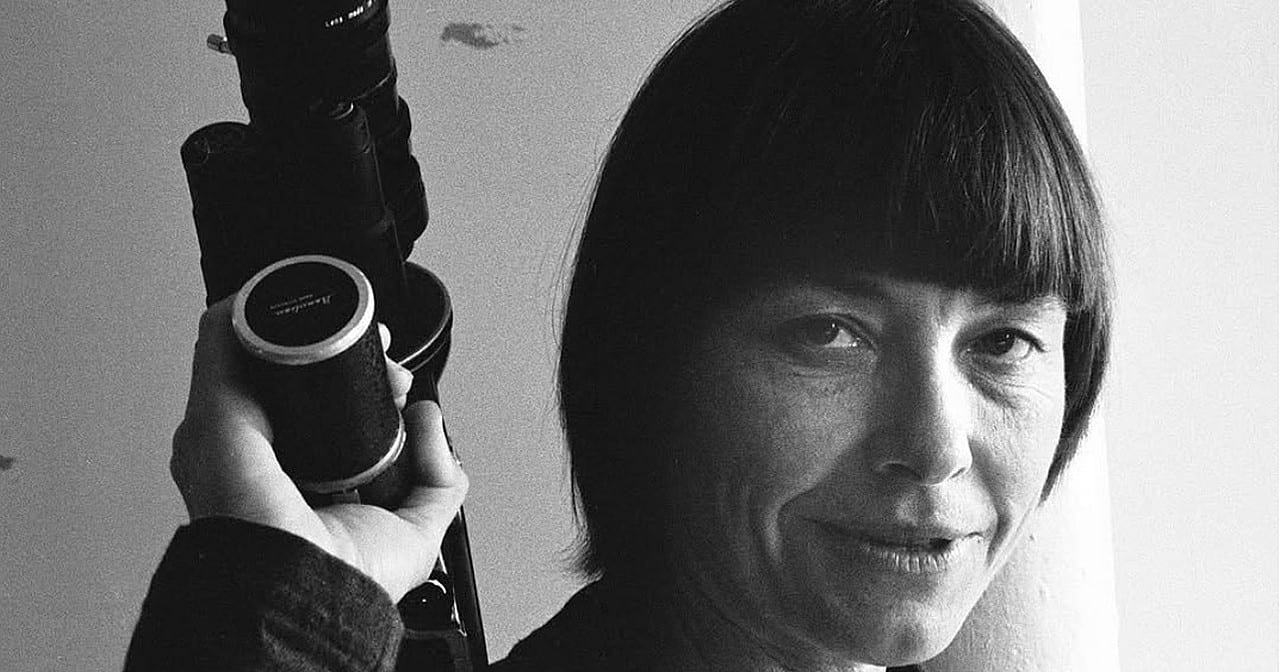
Work-life balance: Barbara Hammer could hardly have cared less about such a boundary. Where does work end and life begin? It seems as though that line never existed for the filmmaker. Wherever she was, she carried a camera. She filmed everything. A life on celluloid, a life for cinema. And now: a film about her life.
Born in 1939 in Hollywood — that sounds like a dignified start for a career behind the camera. She began experimenting with the medium, taking her Super-8 camera on a motorcycle world tour with her then-partner. Then came her lesbian coming-out, inward and outward. A watershed moment for her life and for her work. Or in her own words: “I was born when I became a lesbian.”
A lesbian who made films about lesbians
The documentary “Barbara Forever” is more than a biographical film. Because life and work are inextricably woven together for Barbara Hammer, the film brings you closer to both her personality and her oeuvre. Anyone who didn’t know the filmmaker or her films quickly senses the significance she holds in queer cinema.
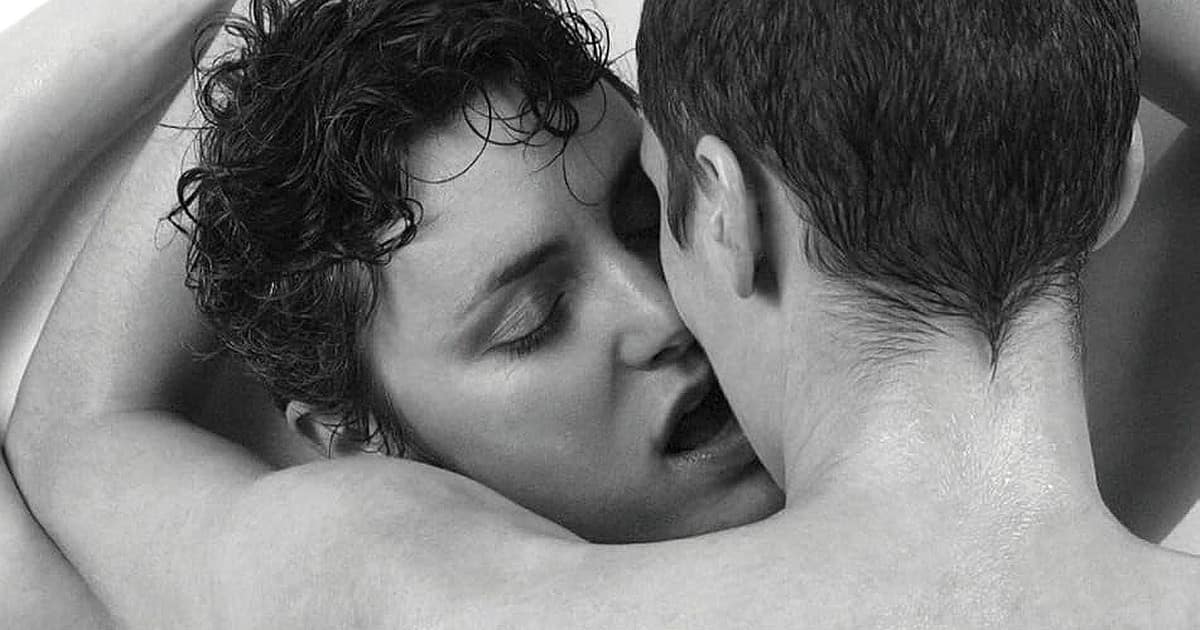
In a world where lesbians were largely invisible, Barbara Hammer championed self-representation. In the 1970s she was the first openly lesbian American filmmaker to make films about lesbian life and lesbian sex. “Dyketactics,” for instance, from around 1974, four minutes long, but enormously influential.
400 hours of archive material
In the archive, you see a group of women, all naked, all joyful, a little like hippies in nature. The avant-garde experimental film allows her to explore female bodies—and at the same time to document them cinematically. A love letter to desire.
The documentary uses excerpts from the films as well as a wealth of material that had never before been released to approach the filmmaker’s life. Barbara Hammer left behind 400 hours of archival material—a nearly unmanageable trove from which the documentary could draw. It must have been a mammoth task for director Brydie O’Connor to sift through it, pick out the moments, and assemble them into a cohesive whole.
The filmmaker tells her own story
But that’s not all: what’s especially striking is that Barbara Hammer herself narrates the story, since she not only filmed her life continuously but also commented on it along the way. As a result, her voice in the documentary varies in tone—sometimes energetic, later rougher and marked by her battle with cancer.
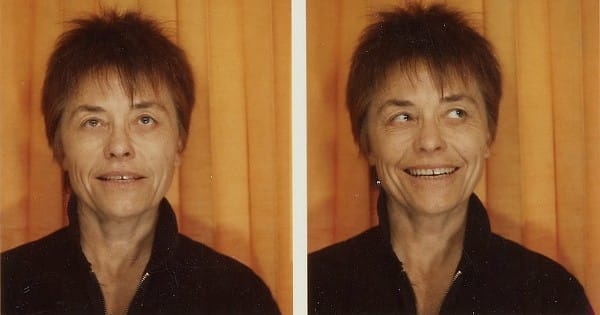
Only a small portion of her debut film isn’t archival material, consisting instead of scenes with her last partner, Florrie Burke. She talks about Barbara Hammer, sorts through archival boxes, visits an exhibition about her.
She wanted to be recognized
As an openly lesbian avant-garde filmmaker, Barbara Hammer never had it easy. Funding bodies found her work too explicit, critics—no need for gendered language—at first struggled as well. Yet the director stood out not only for a fierce zest for life but also for a deep sense of mission. She wanted recognition because she knew her films were artistically and substantively valuable. She wanted to influence, to leave a mark, to inspire the next generations.
Direct link | English original trailer for the film
|
The documentary pays homage to all of this more than seven years after Barbara Hammer died of ovarian cancer. “Barbara Forever,” which won the Teddy Award for Best Documentary at this year’s Berlinale, carries its claim right in the title. The film invites viewers to rediscover the queer pioneer and her fascinating body of work. A work that, as a time-traveling journey, surprises, challenges, entertains, and moves. Or, as Berlinale Forum curator Gaby Babić writes: “Let dyke poetry move you!”
Barbara Forever. Documentary. USA 2026. Director: Brydie O’Connor. Runtime: 102 minutes., Language: English original with German subtitles. FSK 12. Distributor: Arsenal Filminstitut. Theatrical release: October 8, 2026