In Istanbul, Güneş vanishes suddenly and without a trace. The 31-year-old engineer is a respected officer in the Turkish army. In Berlin, a Turkish writer who shares his name and lives in exile learns of the case by chance. He decides to return to his homeland to pursue the disappearance.
As the writer dives deeper into the life of his namesake, the hollows and gaps become increasingly obvious. In the circle surrounding the missing man, he encounters silence, repression, and contradictions. What happened to Güneş seems unknown to anyone. Or perhaps no one wants to talk about it.
The search gradually evolves into an examination of the societal dynamics that render queer identities invisible or denied. At the same time, the journey pulls the writer back into his own past. He encounters a society where violence and crimes against queer people are tolerated and seldom pursued with accountability.
Violence, Exile and Belonging
Barbaros Altuğ portrays in “The Darkest Night of a Long Winter” (Amazon Affiliate Link) a reality in which queer‑phobic violence is often pushed to the margins of public attention. Family and societal taboos complicate the process of clarification even further. The disappearance of a single individual thus points to political conditions in which protection and justice do not apply equally to all people.
The novel offers a chilling portrait of contemporary Turkish society. At the same time, it speaks to exile, belonging, and the search for a place where a self-determined life is possible. For the writer, the return becomes a confrontation with the question of where home can reside. In the end, he recognizes that his place is in Berlin.
Artfully woven allusions to Thomas Mann’s “Death in Venice” expand the narrative with a literary layer. Altuğ ties the search for the missing person to a reflection on identity, memory, and loss.
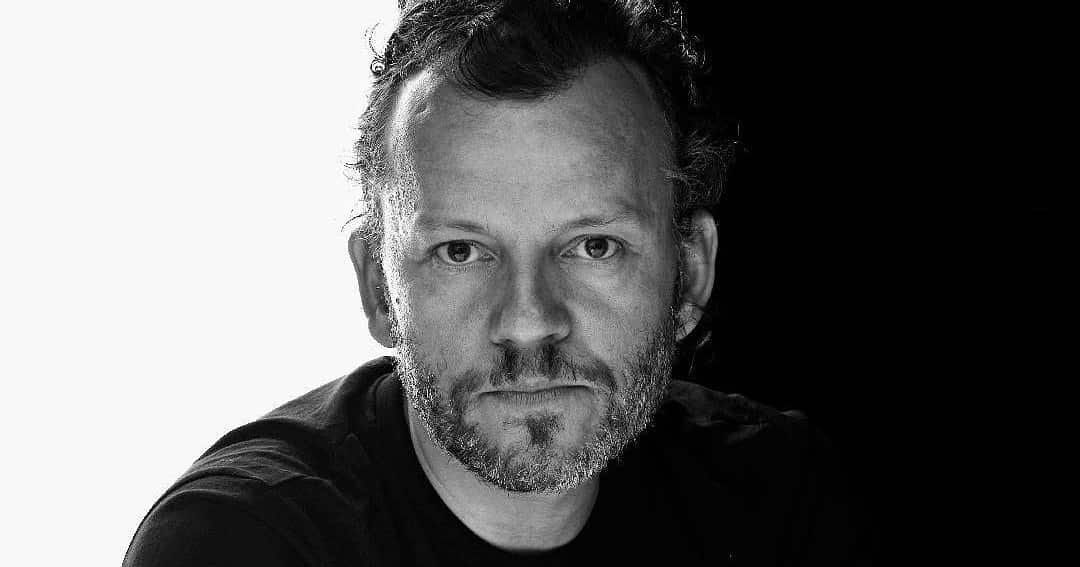
Barbaros Altuğ is a writer, journalist, and literary agent. After studying engineering in Ankara, he worked as a journalist, including as a columnist for the Turkish daily Taraf. In 1999 he founded the country’s first literary agency in Istanbul to promote Turkish authors and their works more broadly.
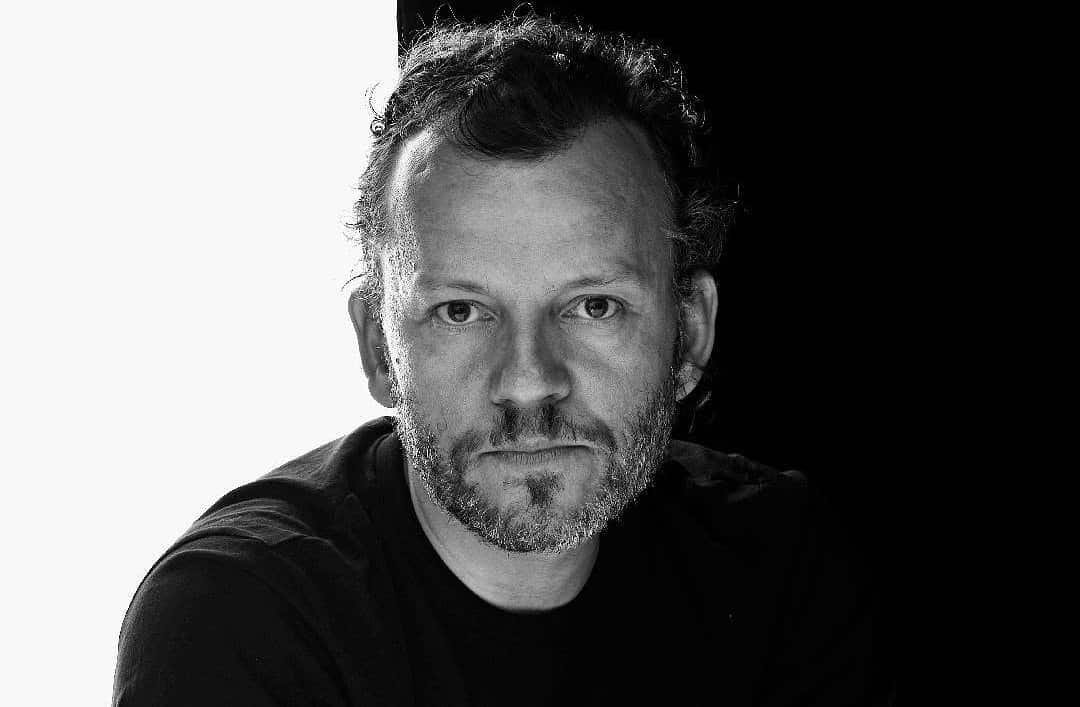
During his journalism, Altuğ consistently criticized anti‑democratic developments and campaigned for the rights of LGBTQ people. After the 2016 coup attempt, he left Turkey and moved with his partner to Paris. He had previously spent time living and working in Berlin.
In his novella “Es geht uns hier gut” (We’re Doing Fine Here) he processes the emigration of three young Turks following the Gezi Park protests. The novel “Sticht in meine Seele” addresses the Armenian genocide. He repeatedly engages with the lives of Turkish exiles and the political conditions in Turkey. (dd/pm)
Barbaros Altuğ: The Darkest Night of a Long Winter. Original title: Uzun Bir Kışın En Karanlık Gecesi. Novel. From Turkish by Johannes Neuner. 104 pages. Orlanda Verlag. Leipzig 2026. Paperback: €19 (ISBN: 978-3-949545-97-9). E-Book: €14.99