The attack on Berlin’s CSD parade on July 25, 2026 shook the queer community to its core: a 65-year-old mother was killed and 31 people were wounded. The two-part ZDF documentary “Feindbild Queer” places the assault in a broader societal context, exposing the mechanisms behind the rise of anti-queer sentiment and, at the same time, revealing how diverse and resilient queer life is in Germany.
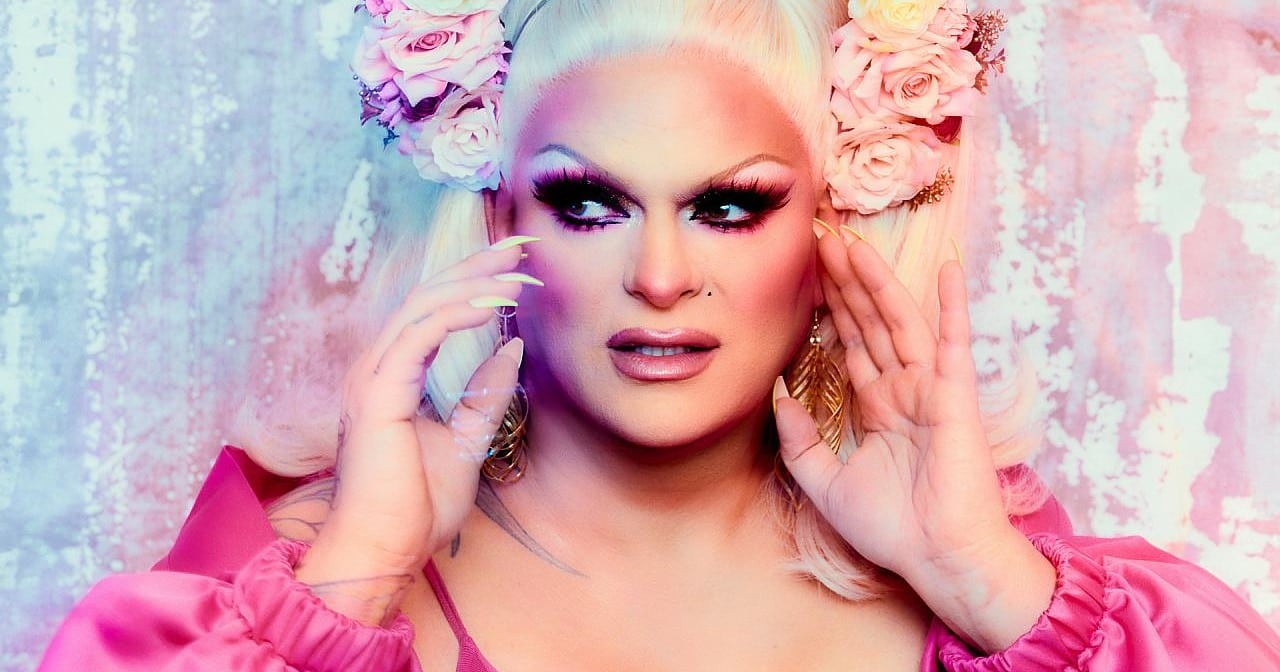
One of the documentary’s central figures is Barbie Breakout, an activist, a drag queen, and for years one of the loudest voices in the fight for queer visibility and safety. Just one day after the attack she spoke at a rally at the Brandenburg Gate, calling for unity and active engagement.
In an interview with TheColu.mn, Barbie Breakout explains how she evaluates the political reckoning and the consequences so far, why queer people are increasingly becoming a target, and what steps she believes are necessary to truly protect queer people.
The documentary will be available on Monday, September 21, 2026 at 5:00 a.m. on the ZDF Mediathek and will air on September 28, 2026 at 8:15 p.m. on ZDFinfo.
Barbie, how do you look back on Berlin’s CSD 2026 now, a few weeks later, and what has the Islamist attack changed in you?
It’s terrifying to me how distant it already feels, and how quickly people defaulted back to “business as usual,” as if it were just a minor hiccup. There was public solidarity, a few kind words, we got a bench and a tree—and that was supposedly enough. The memorial at the site had already been attacked many times before, the bench torn up, the tree ripped out—and apparently that didn’t seem to matter to anyone anymore. The accountability for state failures that made the attack possible also seems not to be pursued. At least we hear nothing about it. So yes, my illusion that this act might move others, especially our government, toward more empathy for our concerns, is gone. But it has reminded me even more of what we can accomplish as a community when we stand together and take care of one another.
Why do you think queer people have become an enemy figure for many people, and what social conflicts does that trigger?
I’ve been looking at these developments for years from a meta perspective. We’ve become pawns for political parties that rely on broad public support to win elections but offer these targeted groups nothing in their platforms. So they need simple enemy images to fuel fear. Fear and hate are powerful engines. Add to that ultra-conservative Christian think tanks like the Heritage Foundation, which pour money into various countries around the world and push a very specific narrative. The fight against the “LGBTI ideology” sits at the top of their agenda. Both of these players use social media deliberately as misinformation platforms, spreading false and dangerous content about our community and promoting sensationalist influencers.
Which moments in the past weeks have shown you how vulnerable queer visibility is in Germany today?
Oh, there have been many. Particularly worrying and frustrating was watching institutions preemptively tighten up before elections and anticipated gains by the AfD: fewer queer characters in TV shows or films, as if that might burst back in their faces after the vote. “Better to produce in Germany, the AfD will soon take over here, and we’ll have more problems.” It lacked spine. Yet I recently visited Magdeburg and was incredibly heartened to see so much queer visibility among all the German flags and Thor-Steinar jackets—defiant and colorful in the face of so much right-wing presence. It made me proud.
Why is the ZDF documentary “Feindbild Queer” important to you, and what does it show that many people haven’t seen or understood before?
I think several things come together here. First, it’s essential to present real queer life realities—the ways we live, with all our diversity. Of course, the life of a HIV-positive, gender-fluid drag queen isn’t representative of everyone, but I’m not the only person in the film. It also clearly shows how differently we have to navigate and how long the effects of violence can linger. And by linking to the days after the Berlin attack, the film captures the climate we’re living in. Fundamentally, I think it’s good when fiction-centered right-wing narratives about who we are and what we do are counterposed with real lives. The right may not be known for watching queer documentaries on the ZDF Mediathek, but it could help others get a more complete picture of us. Especially for those who say we’re too loud or too demanding, it can provide some context for why we continue to be vocal and assertive.
Do you find it hard to talk about these experiences, and are there moments when the emotions overwhelm you while telling them?
I speak about these topics professionally, so I’ve built a good distance. There are a few stories that still bring me to tears now and then, but generally it’s not a problem.
How do you deal with hate, threats, and intimidation today? And what has changed in how you handle it?
First of all, I report everything—I’m ruthless about it. A lot of what I see in comment sections is just noise to me. I know many of the hate comments are bots, so I don’t take it too personally. It’s been a long time since someone directly assaulted me on the street, and I’m not sure how I’d react today. In the past I would shrink, fall silent, and freeze until they were done. I hope I could react differently now.
What steps do you think are necessary so queers aren’t used as a projection screen for societal conflict and are truly protected?
We need courageous politics. We need clear rules that require filtering out fake news and filtering hate speech on social-media platforms. It’s a joke that, since Zuckerberg and Musk recognized the financial value of corrupt MAGA grifters, they’ve been allowed to run rampant. Bots must be curbed. I’ve argued for years that you should only be able to create social-media accounts if you attach your real identity at signup. Only then can we curb the mass manipulation by players like the Heritage Foundation or Russia—or whoever. We need bold politicians who will stand up to these forces. We must protect our democracy by any means. And even if it’s not popular with all Germans, there should be clear political signals for our protection. Including queer protections in the constitution would be a good start. Support for queer projects should continue too. You can’t claim to support us while cutting funding left and right. Where will the money come from? Tax the superrich. It’s not rocket science.
Very current: How do you evaluate the election in Saxony-Anhalt in terms of the situation for queer people, and what signals do you think this result sends to society?
The result was predictable, and still shocking. It’s amusing how quickly someone who kept insisting they’d only become minister-president with an absolute majority would end up without one. AfD—the party that claims to clean up elites’ lies? I can’t help but laugh at that. What it means for local CSDs and for cultural life that might no longer take place worries me. And it’s clear that all right-wing extremists across Germany gained momentum from these results and feel empowered. That definitely translates into more assaults. I’m afraid of what lies ahead.