Markus Lanz gives courage, Fabian Köster grows combative, and Olivia Jones calls for more bravery: The German Television Prize has been awarded. A few days after the state elections in Saxony-Anhalt and amid a landscape of multiple crises, the TV gala in Cologne repeatedly turned to the country’s political and social situation—and to a man who could win a TV prize once again: Stefan Raab.
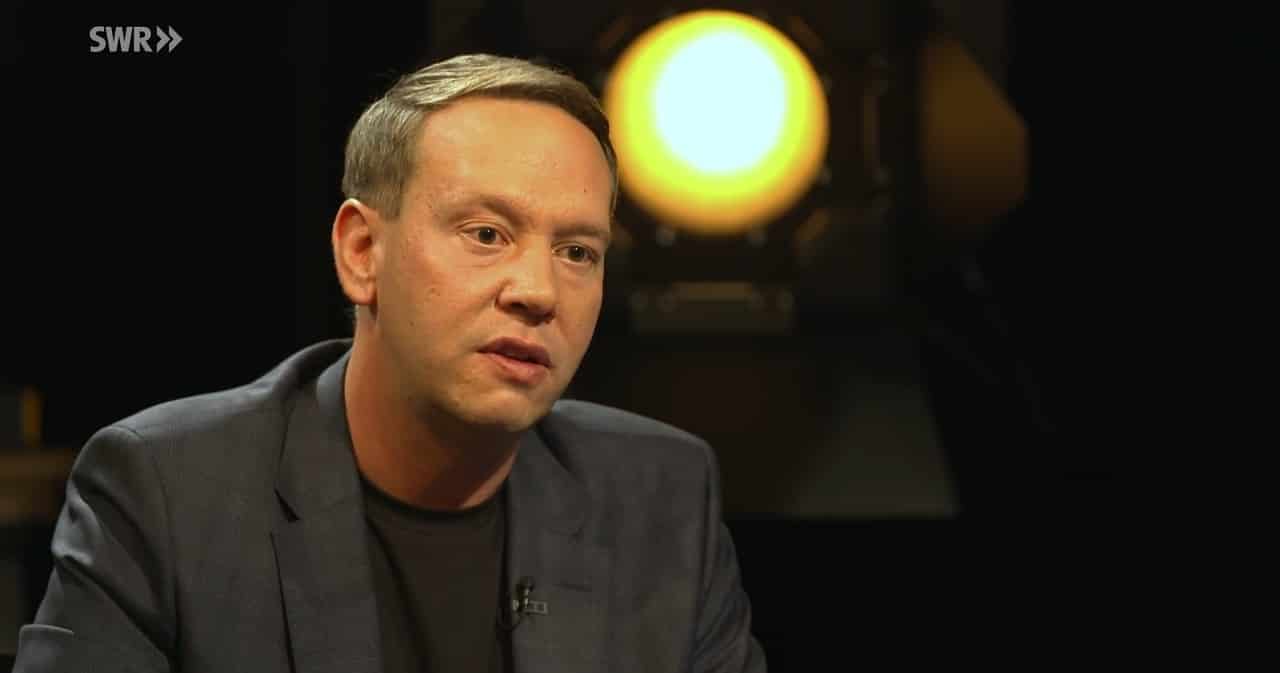
The tone was set early in the evening by a TV prize winner who is usually known for his questions: Lanz. The 57-year-old was honored in the “Best Information” category for his ZDF talk show, but he quickly shifted to the fundamental, aiming to project optimism.
“I’m seeing so many people who are very insecure, some of them afraid,” Lanz explained. “Don’t be afraid!” he urged. His promise: “What’s breaking down right now, we’ll casually rebuild someday.” For Lanz, this marked his second TV prize.
“Hope that we will still be living in a democracy in the future”
Comedian Fabian Köster, who won the “Best Comedy/Late Night” category for his show “heute-show extra: Next Stop Köster” (ZDF), reminded everyone of the achievement of a free media landscape. A format like his—relatively confrontational interviews with politicians in a tiny elevator booth—was not possible in so many countries, he said.
“Especially in these days, we must constantly remind ourselves of this, we must be loud against hate, against incitement, and against the enemies of democracy who want to abolish things like this.”
And so the evening continued. Politically charged notes punctured gratitude speeches—sometimes quite dark, as with Karin Hanczewski, the queer former “Tatort” inspector, who won best actress for “Call My Agent Berlin” (Disney+). She closed her speech with the words: “I hope that we will still be living in a democracy in the future. Thank you.”
Dedicated to the LGBTQI+ community
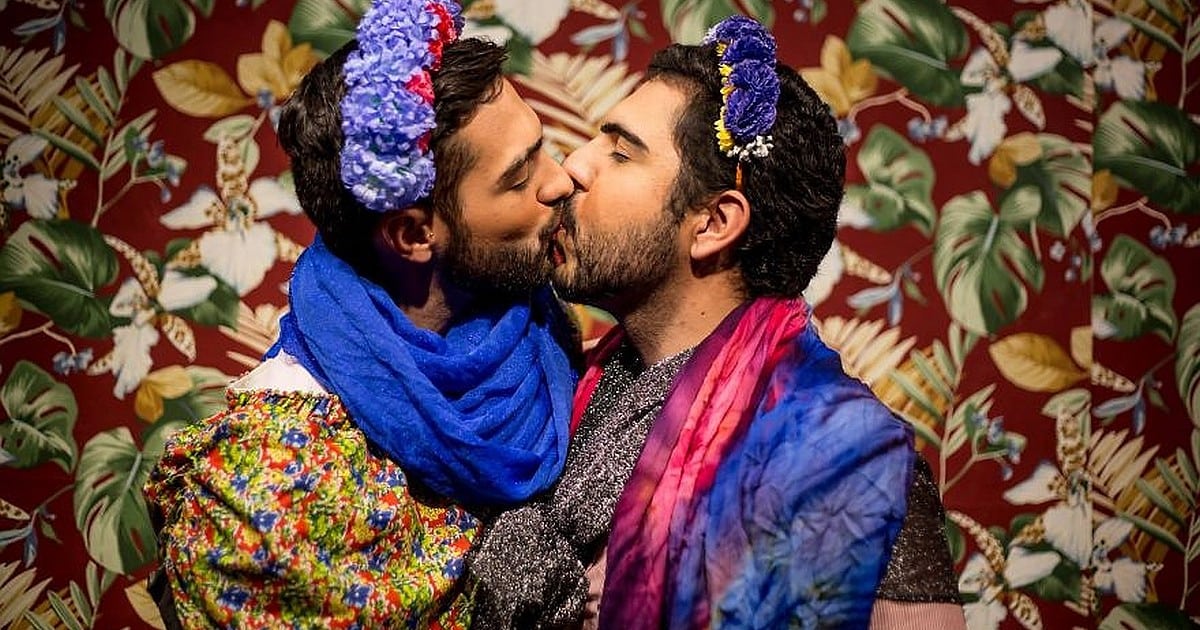
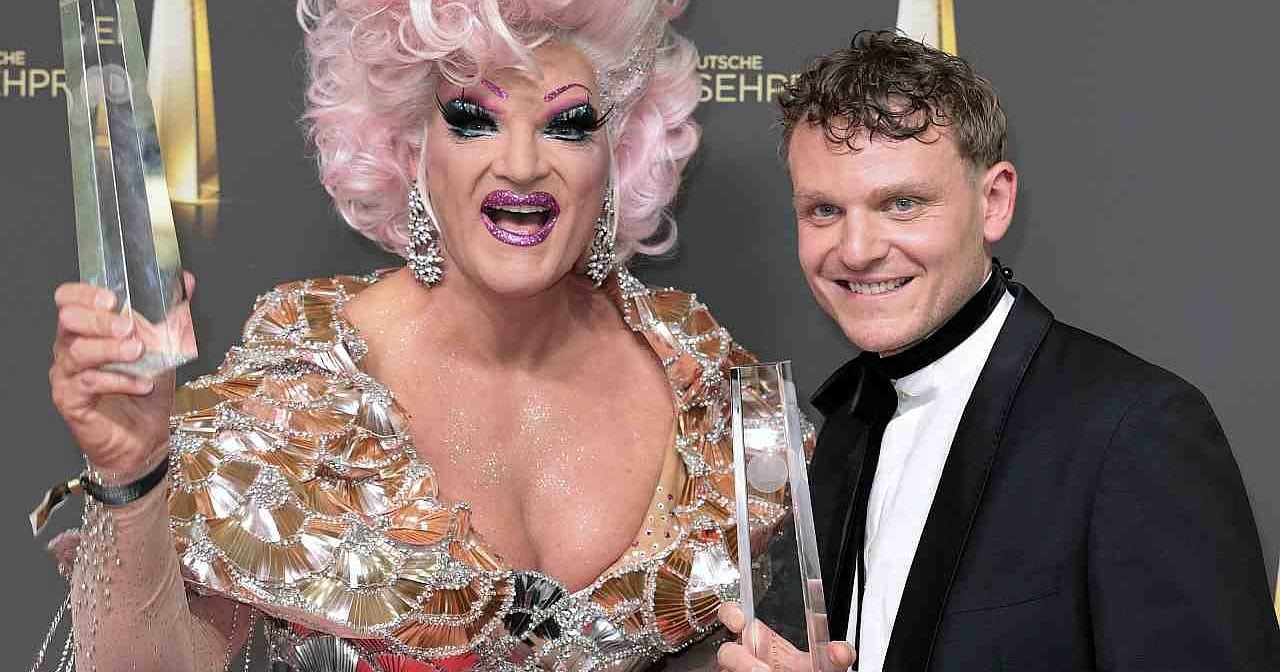
The best TV Movie/Miniseries went to “Olivia” (ZDF), a biopic by director Till Endemann about the life of the famous drag queen Olivia Jones. The organizers dedicated the award to the LGBTQI+ community.
The film matters today because it deals with democracy and freedom and the right to live as one wishes, Olivia Jones told reporters. It needs more courage instead of anger. “We don’t want to take anything away from anyone, but we are demonized,” she said. “We didn’t choose this. If I had chosen it, I would have become heterosexual.”
As serious as the evening sometimes became, it remained a TV prize gala. Tom Schilling, for example, who was named best actor for “Achtsam Morden” (Netflix), focused on a private matter: his mother turned 70. So he sang her a little serenade and rallied the room to join in—despite strict time constraints. “There has to be enough time for this,” the actor explained, as host Barbara Schöneberger tried to rein him in.
Ozempic jokes
Schöneberger was the one who injected the show with a certain sharp humor. Few were safe from her jibes. “Since Ozempic came along, there are twice as many stars filling this room,” she quipped. Ozempic, a diabetes medication, is also used by adults as a weight-loss aid.
She also mischievously announced that “world peace” was within reach. “Tonight in one room you have Stefan Raab and Sebastian Pufpaff!” she proclaimed. The implication was that Pufpaff and Raab once worked together but later became rivals, prompting expectations about whether both would actually attend the ceremony. Pufpaff now hosts Raab’s former show “TV total” on ProSieben, while Raab is known to be with RTL.
Both arrived. But in the end, only Raab walked away with a TV prize, his record since his TV comeback in 2024 being mixed. His new format, “Wer weiß wie wann was war?” on RTL, was named the best entertainment show. “No matter what others say: I like you!” his co-host Barbara Schöneberger nearly cooed in acknowledgment.
“All the love, all the best” for Stefan Raab
Pufpaff, by contrast, left empty-handed in the “Best Comedy/Late Night” category with “TV total.” On the red carpet, he was asked what he wished for Raab, who would soon turn 60. Pufpaff’s succinct answer: “All the love, all the best, and may he continue to fulfill his work.”
Meanwhile, the night’s big winners included the team behind the series “Chabos” (ZDFneo), which was named the best comedy series, and whose young ensemble also won the development prize. The best drama series went to “Hundertdreizehn” (ARD), and the top documentary series was “Mesut Özil — A Visit with Friends” (ZDF). The special “#dontlookaway” (ProSieben) by entertainers Joko Winterscheidt and Klaas Heufer-Umlauf also earned an award; the pair had aired a more than three-hour, ad-free documentary about daily life in Ukraine.
Peaceful closing note
The enduring voice of unity came from veteran RTL news anchor Peter Kloeppel (67). He was honored for his lifetime achievement and recalled Franz Beckenbauer. “Now go out there, guys, and play football,” Beckenbauer once said. Kloeppel’s advice: “I tell you: Now go out and make good television.”
The German Television Prize has been awarded since 1999. It is carried by ARD, RTL, Sat.1, ZDF, and Deutsche Telekom. Streaming providers Disney+, Netflix, and Prime Video participate as partners. The leadership changes hands every year. This year, RTL took the helm. The channel aired the show on television.