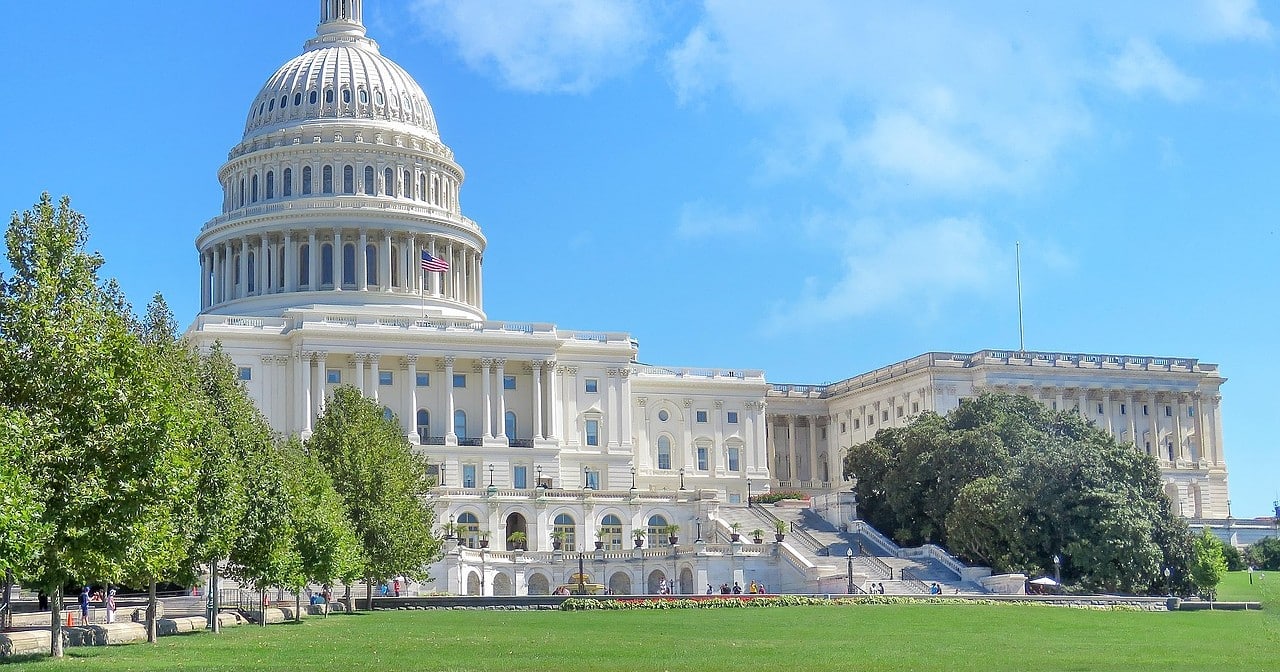
The U.S. House of Representatives on Tuesday voted on amendments to the annual defense budget, with transgender issues on the agenda and divergent outcomes: the chamber narrowly rejected President Donald Trump’s transgender ban on military service, while there was a majority in support of barring transgender girls and women from competing in women’s sports at Department of Defense schools and academies.
The first amendment to the broad transgender ban in the military was introduced by Republican Representative Lauren Boebert. It was defeated 217 to 212. Republicans generally back the ban, but Trump’s faction in the House holds only a slim majority—and four Republican lawmakers joined Democrats in voting against the ban. The lawmakers came from battleground districts and apparently feared losing their seats in November over this culture-war issue.
Trump has already issued a transgender ban by executive order
Indeed, Trump issued the ban by executive order shortly after taking office in early 2025. Codifying it into law would make it harder for a successor administration to lift the ban — then a new majority in Congress would be required. An executive order, by contrast, can be undone by a new president without much effort.
On the sports ban for transgender women at military academies, all the Republicans present voted in favor, along with five Democrats. The final tally stood at 221 to 203. The Democrats who voted for the ban came from conservative states and apparently feared that voting “no” would hurt their reelection chances.
The motion on the sports ban was brought by Republican Representative Nancy Mace, who is notorious for her aggressive anti-queer rhetoric. She recently claimed in a hearing that images of queer people in a museum would lead to more children being raped (TheColu.mn reported).
The Senate now must vote
Whether the sports ban becomes law remains unclear: although the House has approved the package, the U.S. Senate must pass the exact same bill—and in practice the second chamber also introduces numerous amendments.
Since taking office in January 2025, President Trump has rolled back queer rights, including discrimination protections, and has particularly stoked anti-trans sentiment to appease his Christian evangelical base.
Trans women athletes are currently subjected to repeated attacks from conservatives and right-wing populists who claim they have athletic advantages over cisgender competitors. There is no scientific evidence for this; quite the contrary: a meta-analysis published earlier this year found that trans women do not possess systemic advantages (TheColu.mn reported).