What makes the fascination with high heels so compelling? Quite simply: the sexiness is in the heel. That’s at least one of the key messages in “Kinky Boots.” The reasoning follows just as quickly: to keep balance with the legs, you must tense the muscles around the glutes, and that in turn sends signals of readiness to mate.
Yet this isn’t a tale about reproduction-obsessed studs—it’s about sturdy high heels that can be worn not only by women but by strong personalities of any gender and any sexual orientation. That, at least, is the spark that drives the business idea Charlie Price—heir to a struggling shoe factory—concocts with the glamorous drag queen Lola after a chance encounter in London. And so the traditional company is actually saved. But first, they must overcome a lot of resistance—with themselves and within the workforce, where the new corporate policy doesn’t win everyone’s approval.
Inspired by a true story
The piece is based on the real-life story of Steve Pateman, who took over the small-town shoe factory WJ Brooks in the late 1990s and steered it toward producing high heels for drag queens and transgender women. After a BBC documentary brought the tale into the spotlight, he enjoyed a period of considerable success. In 2000, however, the century-and-a-quarter-old family business had to close its doors, because the niche product alone couldn’t sustain the factory. Yet Pateman—who in the film adaptation of 2005 becomes the character Charlie—had, through his actions, left an indelible mark on Britain, and well beyond.
Only a few years later, Harvey Fierstein picked up the film story of Charlie and Lola and used it as the basis for the musical “Kinky Boots.” It proved successful: after its Broadway premiere in 2013, it became a global staple, and the following year Cyndi Lauper earned a Grammy for the score. In Hamburg, it had already played in 2017, but demand at the time fell short of expectations, and the production was canceled after a single year. Yet Fierstein, the famed gay playwright and Hollywood actor, convincingly conveys Lola’s perspective—and her alter ego Simon—in a way that makes the themes of identity, self-discovery, and self-empowerment all the more vivid, even more so than in the film.
Musical comes to Munich, Zürich, Berlin and Oberhausen
Now there’s another chance to see the show and gauge its quality and message. At the end of October, a new original production with subtitles will embark on a tour in Germany and Switzerland. From October 28 to November 9, 2025, “Kinky Boots” will be staged in Munich (Deutsches Theater), from November 11 to 23, 2025 in Zürich (Theater 11), from December 17, 2025 to January 17, 2026 in Berlin (Admiralspalast), and from January 20 to February 1, 2026 in Oberhausen (Metronom Theater).

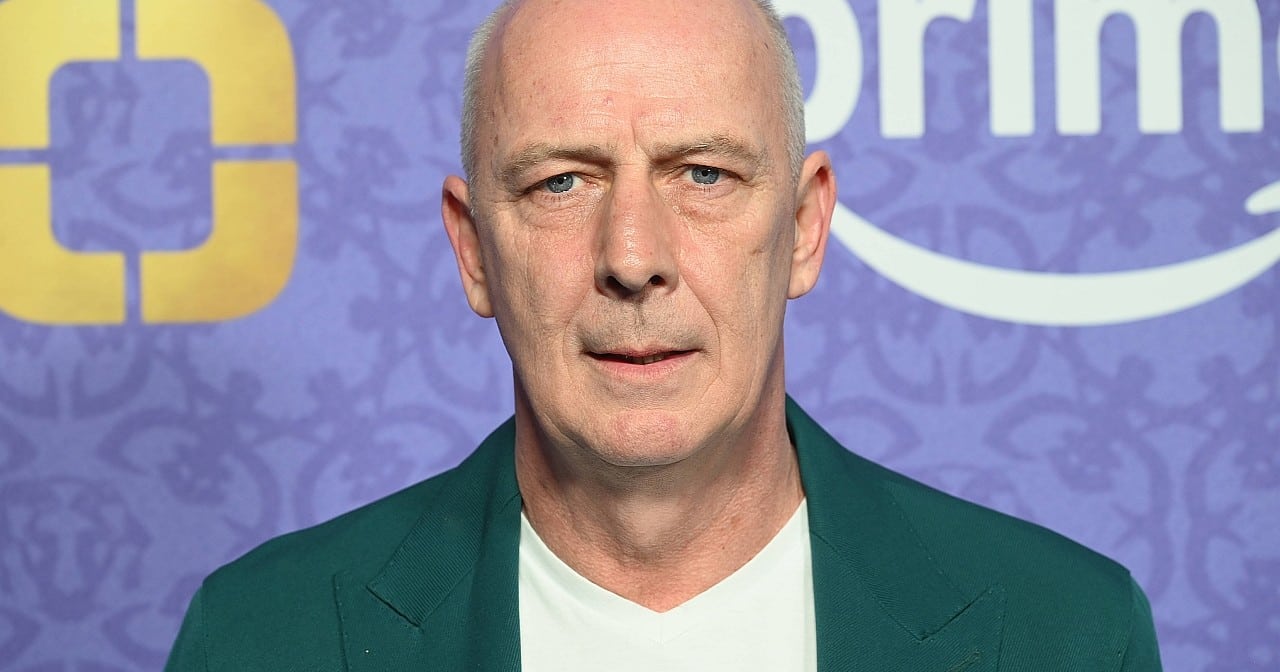
In London, where rehearsals are under way, the production was presented during a press trip. What stands out is the diversity of bodies and apparent identities, with the show’s producers aiming for the broadest possible audience to see themselves reflected on stage. Alongside the cast and TV star Jorge González as the German High-Heels ambassador (a full interview with him follows), Steve Pateman also participates in the discussion forums. Was there a real Lola in his life, the story’s inspiration?
“There were many,” Pateman says with a laugh. “When I told my story to people who wanted to turn it into a film script, they eventually realized: there are far too many characters in it. So they condensed all the drag queens and trans people I knew into a single symbolic character named Lola.”
Self-empowerment of the gay son

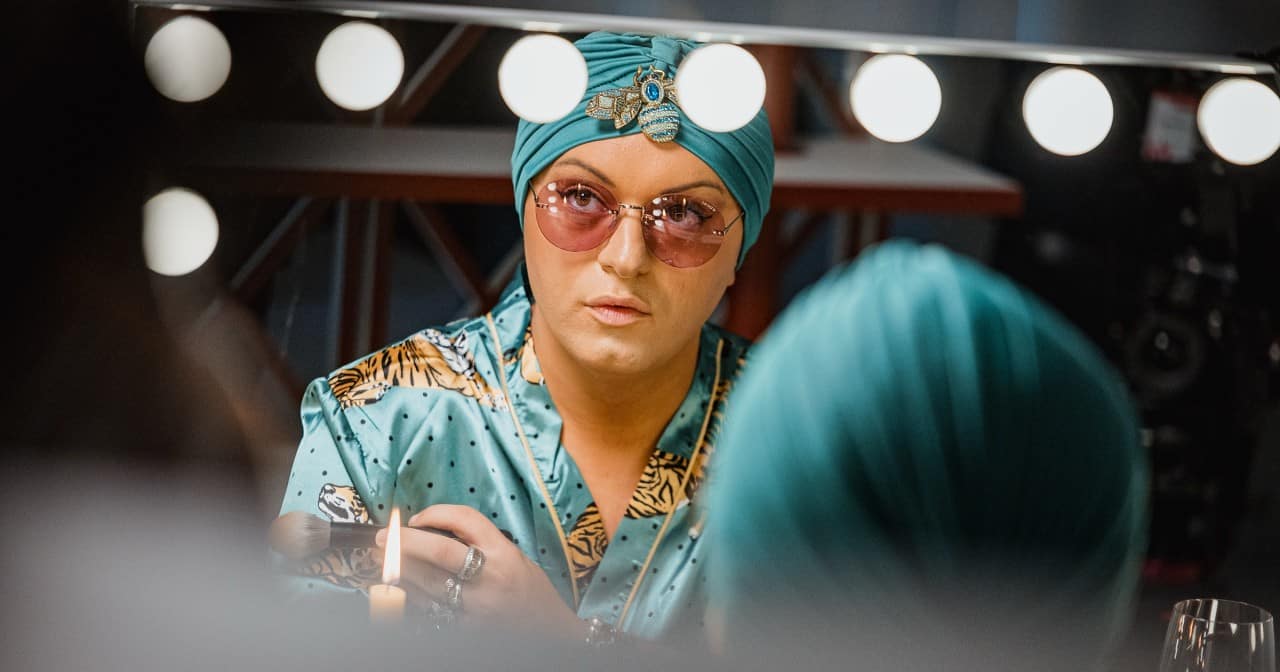
The Lola figure, or her alter ego Simon, is portrayed in this production by British musical and theater actor Tosh Wanogho-Maud with considerable sensitivity. “From my own perspective, I can really put myself in Lola’s shoes—especially as a gay man within the Black community,” Tosh explains. “Many of us have complicated, sometimes strained relationships with our fathers, because there’s a cross-generational form of trauma that binds many of us to our dads.”
This is most powerfully conveyed in the song “Not My Father’s Son,” one of the show’s emotional peaks: “It traces the stages of grief you go through in a relationship with a father you feel you’ve failed. It asks what it might have been, what it was, and what you wished it would be. A deep sadness lies in the fact that, as you are, you ultimately disappoint your father in one way or another. The next step becomes an act of self-empowerment: I choose to disappoint him—because if I didn’t, I’d have to give up part of who I am. But I want to be myself. So in the final step I must learn to accept myself.”
Direct link | Trailer for the musical
|
When high heels become a manifesto
Yet as challenging as this facet may be, the core of “Kinky Boots” is really about gaining self-confidence—embodied in the silhouette of tall heels. “High heels should always be linked to a sense of power,” Tosh says. It’s less about technique and more about an emotional stance. “You have to feel what this feeling means: stand tall, with your chest out, weight slightly forward on the toes. When you wear high heels, you should feel as if you’re entering the room before you step in—your energy fills the space even before you do.”
Or, put differently: “Kinky Boots” turns attitude into a way of life—and thus high heels into a manifesto.
The piece was prepared at the invitation of a press trip to London for the presentation of “Kinky Boots.”